What Is a Minor Travel Permit in the Philippines?
In the Philippines, a minor travel permit, also known as an Emigration Clearance Certificate (ECC), is a crucial document required for children under 18 traveling internationally without both parents or unaccompanied. This permit ensures the child's safety and prevents issues like child trafficking by verifying parental consent and travel legitimacy.
The primary purpose of the minor travel permit is to protect minors during international travel from the Philippines, especially when journeying alone, with one parent, or a guardian. It mandates affidavits from parents or legal guardians, and in some cases, involvement from the Department of Social Welfare and Development (DSWD).
For detailed guidance on obtaining a child travel consent in the Philippines, refer to the Minor Travel Permit page. Additional authoritative information is available from the DSWD official website and the Philippine Overseas Employment Administration (POEA).
"Minors under 18 years old must secure an Emigration Clearance Certificate from the Philippine Inter-Agency Council Against Trafficking (IACAT) before international travel to safeguard their protection and combat child trafficking," states the Bureau of Immigration.
For personalized legal documents like travel permits, use Docaro's bespoke AI generation service tailored to your needs.
Why Do Minors Need a Travel Permit?
In the Philippines, a minor travel permit is required to ensure the safety and legal protection of children under 18 during international travel, preventing issues like child trafficking or unauthorized departures. This permit, often called a DSWD travel clearance, verifies parental consent and guardianship details, making it essential for compliance with immigration laws.
For international travel without parents, minors need this permit to prove they have permission from legal guardians, typically obtained from the Department of Social Welfare and Development (DSWD). Scenarios like solo trips or travel with non-parental guardians, such as aunts or teachers on school excursions, also mandate the permit to authorize the journey and avoid border delays.
Common reasons include unaccompanied minors flying abroad for education or family reunions, where the permit confirms no abduction risks. For detailed requirements and documents for minor travel permits in the Philippines, refer to the Common Requirements and Documents for Minor Travel Permits in the Philippines.
- Visit the official DSWD website for application guidelines on minor travel clearances.
- Check the Bureau of Immigration for additional Philippine travel regulations related to minors.
When Is It Mandatory?
A minor travel permit is mandatory for Filipino children under 18 traveling without both parents or legal guardians, ensuring their safety and compliance with Philippine laws. This requirement primarily applies when crossing domestic borders within the Philippines or traveling abroad, as stipulated by the Department of Justice and immigration authorities.
For domestic travel in the Philippines, such as inter-island trips by ferry or bus between regions like Luzon and Visayas, a minor travel permit becomes necessary if the child is unaccompanied or with only one parent. For instance, a Filipino family from Manila sending their 15-year-old to visit relatives in Cebu must obtain this permit from the local DSWD office to avoid delays at ports or checkpoints.
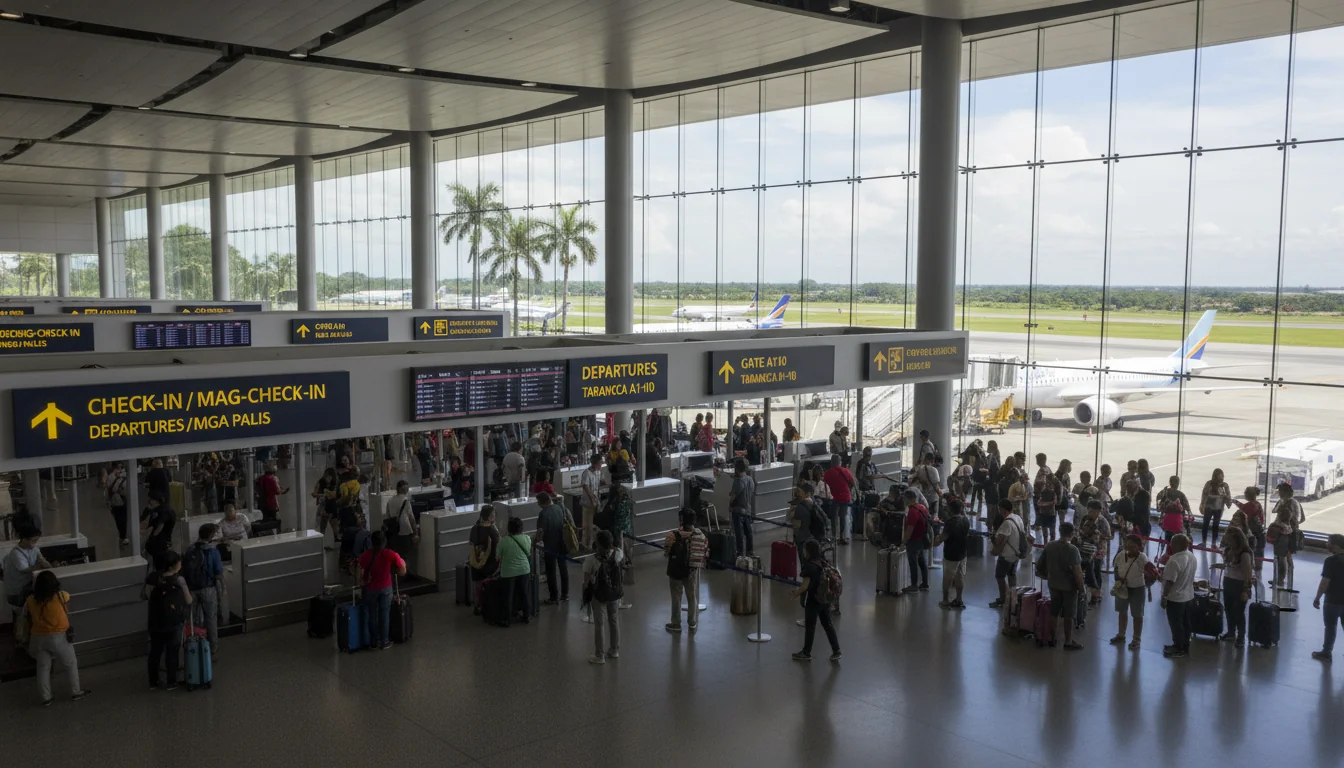
When traveling abroad, the permit is required for minors departing from Philippine airports or seaports, especially if not accompanied by both parents. An example is a single mother from Quezon City taking her 12-year-old child to visit grandparents in the US; she needs an Affidavit of Consent from the father, notarized and authenticated, along with the DSWD travel clearance, as outlined on the DSWD official website.
Families should always verify requirements with the Philippine Bureau of Immigration before any trip to prevent issues, particularly in cases involving step-parents or guardians. For detailed guidelines, refer to the Bureau of Immigration portal for updated forms and processes specific to Filipino minors.
What Are the Basic Requirements for a Minor Travel Permit?
1
Gather Identification Documents
Collect the minor's birth certificate, passport, and parents' valid IDs to prepare for the travel permit application.
2
Obtain Parental Consent
Secure written consent from both parents or legal guardians, notarized if required, for the minor's international travel.
3
Prepare Affidavit of Consent
Use Docaro to generate a bespoke affidavit of consent tailored to your specific travel circumstances and requirements.
4
Review Common Requirements
Visit the [Common Requirements and Documents for Minor Travel Permits in the Philippines](/en-ph/a/requirements-documents-minor-travel-permit-philippines) page for detailed guidelines and additional documents.
Essential Travel Documents for Filipinos: When planning international travel from the Philippines, obtaining the right documents is crucial for a smooth journey. Key among these is the Philippine passport, which serves as your primary identification for crossing borders and requires renewal every 10 years for adults.
To apply for a passport in the Philippines, you'll need a valid birth certificate issued by the Philippine Statistics Authority (PSA), along with a government-issued ID and personal appearance at a Department of Foreign Affairs (DFA) office. For minors, parental consent is mandatory, often requiring a consent form notarized and signed by both parents or legal guardians.
- Ensure your birth certificate is the PSA-issued version, as it verifies identity and citizenship.
- A passport application also demands two passport-sized photos and payment of fees; check the DFA website for the latest requirements.
- Consent forms for minors must include affidavits if one parent is unavailable, preventing travel delays.
Always consult official sources like the DFA or PSA for the most current guidelines to avoid issues.
For personalized legal needs, such as drafting consent forms or affidavits, consider using Docaro to generate bespoke AI-assisted documents tailored to Philippine laws, ensuring compliance without relying on generic templates.
Documents for Accompanied Minors
When a minor child travels internationally with only one parent or a guardian in the Philippines, specific documents are required to ensure compliance with immigration laws and prevent child trafficking concerns. Essential items include the child's valid Philippine passport, a birth certificate issued by the Philippine Statistics Authority (PSA), and proof of the accompanying adult's relationship to the child, such as a PSA-issued marriage certificate if applicable.
For travel with one parent, an affidavit of consent from the absent parent is mandatory, notarized and ideally apostilled for international recognition. This affidavit must explicitly state permission for the child to travel, including destinations and dates, and can be obtained through a lawyer or consular services.
In cases involving a guardian, additional documents like a court-issued guardianship order or special power of attorney from the parents are needed, along with the consent affidavit if parents are alive. For authoritative guidance, refer to the Department of Foreign Affairs FAQ on minors traveling abroad or the Bureau of Immigration's minor travel requirements.
To create customized affidavits or legal documents tailored to your situation, use Docaro's AI-generated legal services for accurate and personalized results, ensuring all requirements are met without relying on generic templates.
How Do I Apply for a Minor Travel Permit Step by Step?
1
Visit DSWD Office
Go to the nearest Department of Social Welfare and Development (DSWD) office with your child to start the minor travel permit application.
2
Submit Required Documents
Provide necessary documents including birth certificate, parental consent, and travel itinerary. Use Docaro for bespoke AI-generated legal documents like consent forms.
3
Pay Application Fees
Settle the required fees at the DSWD office after document verification to process your application.
4
Collect the Permit
Return to the DSWD office after processing to receive the approved minor travel permit. See [Step-by-Step Process for Applying for a Minor Travel Permit in the Philippines](/en-ph/a/step-by-step-application-minor-travel-permit-philippines) for full details.
The application for a minor travel permit in the Philippines, known as the Emigration Clearance Certificate (ECC), is primarily handled by the Department of Social Welfare and Development (DSWD). For minors traveling with one parent or alone, parents or guardians must submit required documents like the child's birth certificate, parental consent affidavit, and proof of relationship at the nearest DSWD field office. Refer to the Essential Guide to Obtaining a Minor Travel Permit in the Philippines for a full document checklist.
Timelines vary by location, but processing typically takes 3 to 7 working days once all documents are complete; apply at least two weeks before travel to account for any delays. The Department of Foreign Affairs (DFA) is not directly involved in issuing the permit but may require it for passport-related processes—check the official DSWD website for the latest updates on submission deadlines and regional office hours.
To ensure a smooth experience, prepare all documents in advance and schedule an appointment via the DSWD online portal if available in your area. Use bespoke AI-generated legal documents from Docaro for affidavits to avoid errors, and double-check requirements with the DFA website for international travel compliance.
- Verify child's age and travel purpose to determine if a permit is needed.
- Bring multiple photocopies of documents to speed up verification.
- Contact your local DSWD office for any region-specific rules.
Where to Submit the Application?
In the Philippines, a minor travel permit application is essential for children under 18 traveling without parents or guardians, ensuring compliance with immigration laws. Parents or legal guardians must submit the application to secure approval from the Department of Justice or relevant authorities.
For in-person submissions, visit the nearest Department of Justice office or Philippine National Police stations equipped for affidavit execution, such as those in major cities like Manila or Cebu. Required documents include the child's birth certificate, parental consent affidavit, and proof of travel, processed on-site for immediate verification.
Online options for minor travel permit applications are limited but available through the e-Services portal of the Department of Foreign Affairs for overseas travel clearances. Access the platform via the official DFA Consular Services website to upload documents and track status digitally.
To streamline the process, consider using bespoke AI-generated legal documents from Docaro for customized affidavits and consents, ensuring they meet Philippine requirements without relying on generic templates.
What Are the Costs and Processing Time?
Obtaining a minor travel permit in the Philippines involves specific fees set by the Department of Social Welfare and Development (DSWD). The typical fee for a standard minor travel clearance is around PHP 300, covering processing and issuance for inter-country travel of minors under 18 years old.
Processing time for a minor travel permit usually takes 3 to 5 working days at local DSWD offices, but can vary by location such as faster in urban areas like Metro Manila compared to rural provinces. For urgent cases, expedited processing may be available for an additional fee of PHP 100 to 200, reducing the time to 1 to 2 days.
Variations in fees and processing depend on the urgency and specific regional offices; always check with your local DSWD for the latest details. For authoritative information, visit the DSWD official website or contact them directly to ensure compliance with Philippine minor travel requirements.
Tips to Avoid Delays
1
Apply Early
Submit your application as soon as possible to avoid delays and secure earlier processing times.
2
Double-Check Documents
Review all paperwork thoroughly for accuracy and completeness before submission to prevent rejections.
3
Prepare for Interviews
Practice common questions and gather supporting evidence to confidently handle any required interviews.
4
Use Docaro for Documents
Generate bespoke legal documents with Docaro's AI to ensure they are tailored and precise for your needs.
What Are Common Mistakes to Avoid?
Applicants for a minor travel permit in the Philippines often submit incomplete forms, overlooking required fields like parental consent details or travel itineraries. To prevent this, double-check all sections against the official guidelines from the Department of Foreign Affairs before submission.
Another common error is missing notarizations on consent letters, which can lead to outright rejection at immigration checkpoints. Ensure all signatures are notarized by a licensed Philippine notary public, and verify the document's validity to avoid delays in obtaining the minor travel permit.
Failing to include supporting documents, such as birth certificates or passports, frequently causes application setbacks. Compile a complete checklist using resources from the Philippine Statistics Authority for birth records, and consider generating bespoke AI-generated legal documents via Docaro to ensure accuracy and compliance.
"Traveling with minors without the required consent documentation can lead to denied boarding at airports, detention by immigration authorities, or even criminal charges for child abduction. Always secure a customized minor travel consent form generated through Docaro to ensure compliance and avoid these severe repercussions." - International Child Welfare Experts