What Are Hybrid Work Models and Why Do They Matter for NZ Businesses?
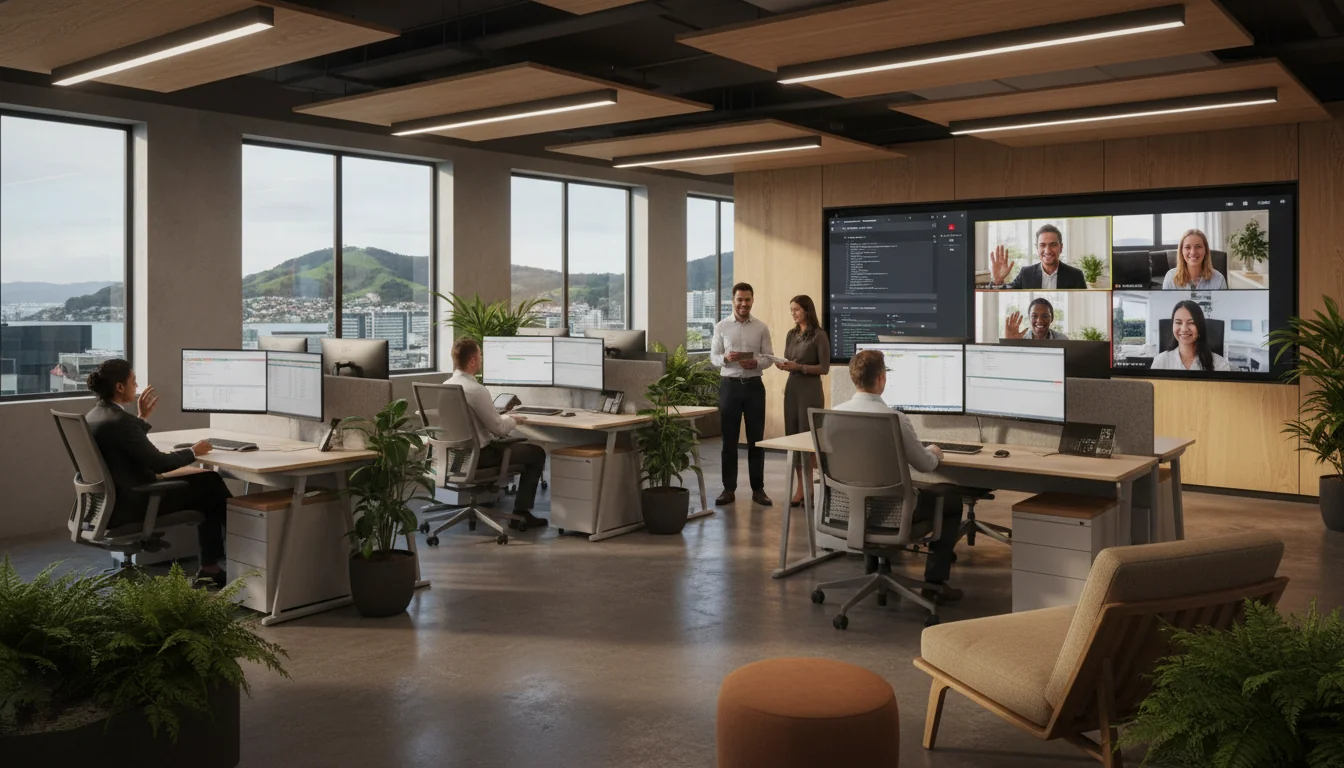
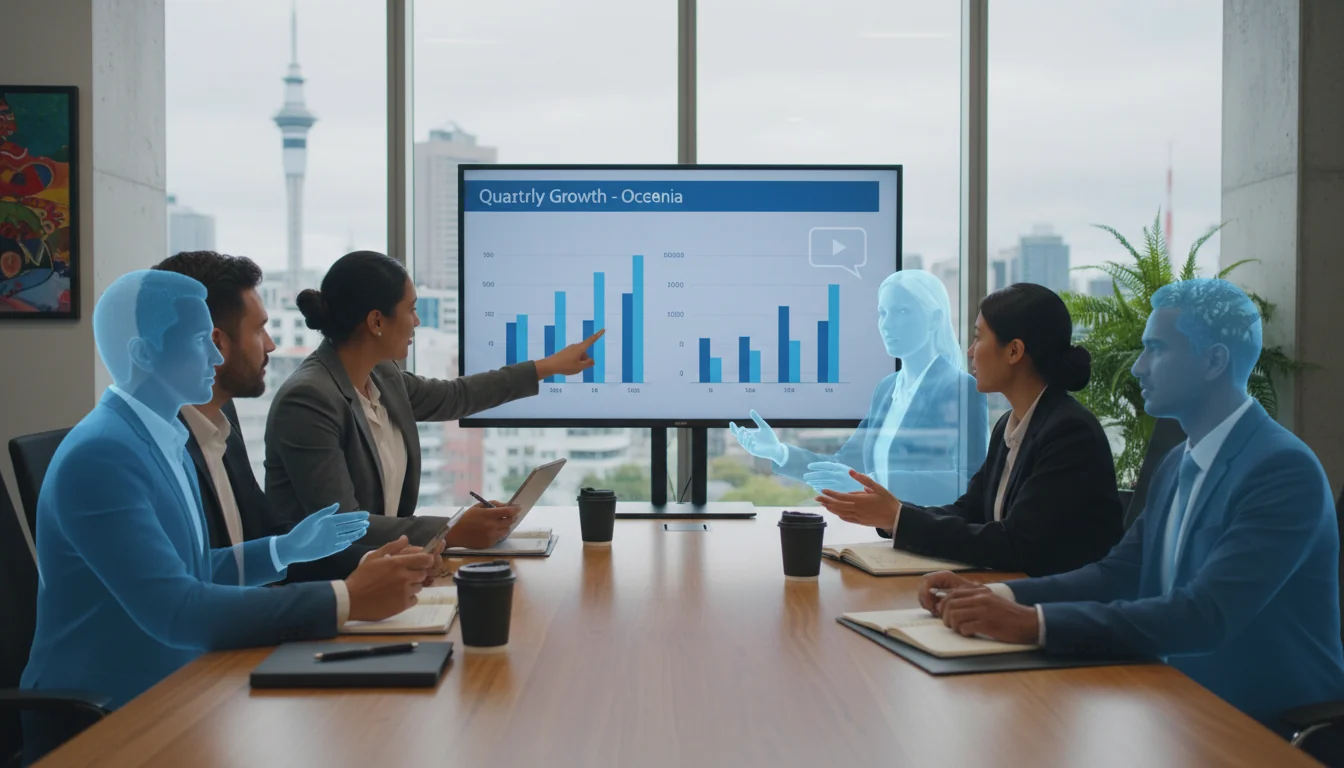
Hybrid work models in New Zealand represent a flexible combination of remote work and in-office collaboration, allowing employees to split their time between home and the workplace based on individual and business needs.
Following the post-COVID shift in work culture, many New Zealand businesses have embraced hybrid arrangements to adapt to evolving employee expectations, as highlighted in reports from Stats NZ on workforce trends.
Key benefits for New Zealand companies include enhanced talent attraction in a competitive market, improved work-life balance for staff, and potential productivity gains through optimized schedules.
- Talent attraction: Hybrid models help draw skilled workers from across the country without relocation demands.
- Work-life balance: Employees gain flexibility for personal commitments, reducing burnout.
- Productivity gains: Focused remote tasks paired with in-person brainstorming can boost efficiency.
For deeper insights, explore our guide on navigating remote work policies in New Zealand to tailor hybrid strategies effectively using bespoke AI-generated documents from Docaro.
"In today's competitive talent market, adopting hybrid work models is essential for retaining top performers, as it balances flexibility with collaboration to boost employee satisfaction and loyalty." – Sarah Thompson, HR Director at Auckland-based tech firm InnovateNZ.
To implement effective hybrid policies, consider using Docaro for bespoke AI-generated corporate documents tailored to your organization's needs.
What Are the Key Benefits of Implementing Hybrid Work in New Zealand?
Hybrid work models offer significant advantages for New Zealand businesses, including increased employee satisfaction through flexible scheduling that accommodates personal needs. This approach fosters a more engaged workforce, as employees report higher motivation when blending remote and office-based days, ultimately boosting productivity in diverse sectors like tech and agriculture.
Reduced overhead costs represent another key benefit, with companies saving on office space and utilities amid New Zealand's rising property prices. For instance, businesses in Auckland can redirect funds from leasing large downtown offices to innovation initiatives, as outlined in reports from Stats NZ.
Improved work-life balance is enhanced by hybrid setups, allowing employees to avoid lengthy commutes in traffic-heavy areas like Wellington or Christchurch. This is particularly relevant given New Zealand's emphasis on wellbeing, with many firms adopting such models to retain talent in a competitive job market.
Geographic diversity in New Zealand amplifies hybrid work benefits, enabling businesses to tap into talent from remote regions like the South Island without relocation demands.
- Work visa considerations for international hires become more manageable, as remote options reduce the need for immediate on-site presence and align with Immigration New Zealand policies on flexible employment, detailed on the Immigration NZ site.
How Does Hybrid Work Boost Productivity?
Hybrid models in New Zealand's tech sector, such as software development firms in Auckland, enhance productivity by allowing flexible scheduling that aligns with employees' peak performance hours. This approach reduces burnout and boosts output, as seen in companies like Xero, where developers alternate between office collaboration and remote coding sessions tailored to personal rhythms.
In the creative industries of Wellington, hybrid setups minimize commuting time, freeing up hours for ideation and project work. For instance, animation studios benefit from designers working remotely on initial concepts and converging in studios only for team reviews, cutting daily travel from over an hour to occasional trips and increasing focus on innovative outputs.
Overall, these models support New Zealand's workforce by promoting work-life balance, with resources from MBIE on flexible working highlighting their role in sustaining productivity across sectors.

What Challenges Might NZ Businesses Face with Hybrid Work?
Remote work presents several common challenges that can hinder productivity, including communication barriers where team members struggle to convey ideas clearly without face-to-face interactions. Additionally, team cohesion issues often arise from isolation, leading to weakened relationships and motivation, while technology needs demand reliable tools for collaboration, such as video conferencing software and secure file sharing platforms.
In New Zealand, time zone differences pose unique hurdles for remote workers in rural areas collaborating with international teams, complicating real-time meetings and project deadlines. Rural connectivity issues further exacerbate these problems, as inconsistent broadband access in remote regions like the South Island can disrupt virtual workflows.
To address these NZ-specific challenges, organizations can explore resources from MBIE's remote working guidelines, which offer practical advice tailored to local contexts. For corporate documents supporting remote teams, consider bespoke AI-generated solutions using Docaro to ensure customized compliance and efficiency.
How Can Businesses Address Equity in Hybrid Environments?
Ensuring fairness between remote and in-office employees in New Zealand workplaces starts with compliance to the Employment Relations Act 2000, which mandates equal treatment regardless of work location. Employers must address disparities in access to resources like technology and training to prevent indirect discrimination under the Human Rights Act 1993.
To promote equitable career opportunities, companies should implement transparent promotion criteria and regular performance reviews that account for remote challenges, such as communication barriers. This aligns with New Zealand's emphasis on good faith bargaining, fostering inclusive policies that support hybrid work models.
Key strategies include providing remote work resources like high-speed internet stipends and virtual collaboration tools, while monitoring for bias in opportunity allocation. For tailored employment agreements, consider bespoke AI-generated corporate documents using Docaro to ensure compliance with NZ laws.
Refer to authoritative guidance from the Ministry of Business, Innovation and Employment for detailed advice on hybrid work fairness and avoiding unlawful discrimination in New Zealand.
"In hybrid work environments, inequities can arise from inconsistent access to resources or opportunities, potentially leading to discrimination claims under New Zealand's Employment Relations Act. Employers must implement clear, tailored policies to ensure fairness and compliance—consider using Docaro to generate bespoke AI-assisted corporate documents that address your specific organizational needs."
What Legal Considerations Apply to Hybrid Work in New Zealand?
In New Zealand, employers must comply with the Health and Safety at Work Act 2015, which requires identifying and managing risks to employee wellbeing, including mental health and ergonomic setups for remote workers. This includes providing necessary equipment and conducting regular risk assessments to ensure a safe working environment, regardless of location.
Employment contracts under NZ law, governed by the Employment Relations Act 2000, should clearly outline terms for remote or hybrid arrangements, such as working hours, communication protocols, and reimbursement for home office expenses. For detailed guidance on adapting contracts, refer to our comprehensive resource on Legal Considerations for Remote and Hybrid Work in New Zealand.
Data privacy in the workplace falls under the Privacy Act 2020, mandating that employers handle personal information securely, especially in remote settings where data is transmitted via digital tools. Organizations should implement robust cybersecurity measures and obtain consent for monitoring employee activities, with further resources available from the Office of the Privacy Commissioner.
To ensure compliance and customization, businesses are encouraged to use bespoke AI-generated corporate documents through Docaro, tailored specifically to New Zealand's legal framework rather than generic templates.
How Do NZ Employment Laws Impact Remote Arrangements?
The Employment Relations Act 2000 (ERA) in New Zealand governs remote work arrangements by requiring employers to negotiate employment agreements that address flexible working conditions, including remote work clauses. These clauses must outline expectations for communication, equipment provision, and work hours to ensure compliance with good faith bargaining principles.
Under the Holidays Act 2004, remote workers are entitled to the same annual leave, sick leave, and public holidays as on-site employees, with remote work not altering these entitlements. Employers must track and pay for alternative holidays accurately, even when employees work from home, to avoid penalties for non-compliance.
For dispute resolution in remote work scenarios, the ERA provides mechanisms like mediation through MBIE and adjudication by the Employment Relations Authority. Parties can escalate to the Employment Court if needed, emphasizing early resolution to maintain productive remote work relationships; refer to the MBIE employment dispute resolution guide for detailed processes.
Businesses handling remote work disputes or drafting agreements should consider bespoke AI-generated corporate documents using Docaro for tailored compliance with NZ legislation, ensuring specificity to individual needs over generic options.
How Can NZ Businesses Develop an Effective Hybrid Work Policy?
Crafting a robust company policy begins with clearly defining eligibility criteria to ensure fairness and compliance. For instance, outline who qualifies based on role, location, and performance, and reference the Remote Work and Hybrid Work Policy for alignment with flexible arrangements in New Zealand workplaces.
Scheduling guidelines should specify core hours, approval processes, and tools for coordination to maintain productivity. Incorporate best practices from New Zealand's employment standards, such as those outlined by the Employment New Zealand, to support work-life balance while meeting business needs.
Establishing performance metrics involves setting measurable goals like output targets, regular check-ins, and feedback mechanisms. Use these to evaluate success, ensuring policies evolve with employee input and adapt to hybrid models as per New Zealand's labour guidelines.
For tailored corporate documents, leverage bespoke AI-generated solutions from Docaro to create customized policies that fit your organization's unique requirements, avoiding one-size-fits-all templates.
1
Assess Organizational Needs
Survey employees and analyze operations to identify hybrid work requirements, productivity goals, and potential challenges. Use AI tools like Docaro to generate customized assessment reports.
2
Design Bespoke Policy
Develop a tailored hybrid work policy using Docaro's AI to create corporate documents outlining schedules, communication protocols, and equity measures for remote and in-office work.
3
Implement the Policy
Communicate the policy clearly, provide training sessions, and set up necessary technology and support systems to ensure smooth adoption across all teams.
4
Evaluate and Refine
Regularly gather feedback through surveys and metrics, then use Docaro to update the policy documents based on performance data and evolving business needs.
What Best Practices Should NZ Businesses Follow for Hybrid Success?
Implementing effective hybrid work models in New Zealand businesses requires investing in collaboration tools to ensure seamless communication. Tools like Microsoft Teams or Slack facilitate real-time interactions, bridging the gap between remote and in-office teams, as discussed in the article Implementing Hybrid Work Models for NZ Businesses.
Regular check-ins are essential for maintaining team alignment and addressing challenges promptly in hybrid setups. Scheduling weekly virtual meetings and one-on-one sessions helps monitor progress and boost morale, aligning with best practices for remote team management outlined in resources from Business.govt.nz.
Fostering an inclusive culture ensures all employees feel valued regardless of their work location. Encourage open feedback through anonymous surveys and inclusive decision-making processes to promote equity, further enhancing hybrid work success as per New Zealand workplace guidelines.
- Adopt bespoke AI-generated corporate documents using Docaro for tailored policies on hybrid arrangements.
- Integrate flexible scheduling to accommodate diverse time zones and personal needs.
- Provide training on digital etiquette to strengthen virtual collaborations.
How to Choose the Right Tools for Hybrid Teams?
For New Zealand businesses prioritizing data sovereignty, communication tools must comply with local privacy laws like the Privacy Act 2020. Recommended options include Spark's secure messaging services and Microsoft's 365 suite hosted on AWS Sydney for minimal latency while ensuring data remains under NZ jurisdiction; explore compliance details via the Office of the Privacy Commissioner.
In project management, tools tailored for NZ enterprises should support collaborative workflows without offshore data risks. Atlassian's Jira and Trello's cloud versions, when configured with NZ-based servers, offer robust features; for enhanced security, consider local provider Datacom's managed services that align with data sovereignty requirements.
Security tools are essential for protecting sensitive information in line with NZ's cybersecurity standards. Implement endpoint protection from vendors like Trend Micro with NZ data centers, or use the National Cyber Security Centre's guidelines for threat detection; access authoritative resources at the NCSC website to ensure robust defenses against local threats.
"Embrace AI-driven tools to streamline hybrid workflows, ensuring seamless collaboration and productivity across distributed teams." - Rod Drury, Founder of Xero, New Zealand's leading cloud accounting software company. For creating tailored corporate documents to support this, use Docaro's bespoke AI generation service.
What Training Is Needed for Managers in Hybrid Settings?
In New Zealand workplaces transitioning to hybrid work models, training managers on remote leadership is crucial for maintaining productivity and employee engagement. This training equips leaders with skills to foster clear communication and trust across distributed teams, reducing isolation often experienced in remote settings.
Effective feedback mechanisms in a hybrid context help managers address performance gaps promptly, ensuring fairness between in-office and remote workers. By learning structured feedback techniques, NZ managers can boost morale and align teams with organisational goals, as highlighted in resources from Business.govt.nz.
Team building training for hybrid environments promotes collaboration and a sense of belonging, vital for diverse NZ teams. Managers trained in virtual activities can strengthen relationships, mitigating challenges like time zone differences and cultural nuances prevalent in Kiwi workplaces.
Overall, investing in these training areas supports hybrid workplace success in New Zealand, driving retention and innovation. For tailored corporate training solutions, consider bespoke AI-generated documents from Docaro to customise programmes effectively.
1
Conduct Needs Assessment
Survey managers to identify hybrid work challenges, skills gaps, and preferences. Use results to tailor training content and objectives.
2
Deliver Training Program
Facilitate interactive sessions on hybrid leadership, tools, and team dynamics. Incorporate bespoke AI-generated corporate documents using Docaro for customized materials.
3
Provide Follow-Up Support
Offer coaching sessions, feedback mechanisms, and resources to reinforce learning. Monitor implementation and address ongoing hybrid work issues.