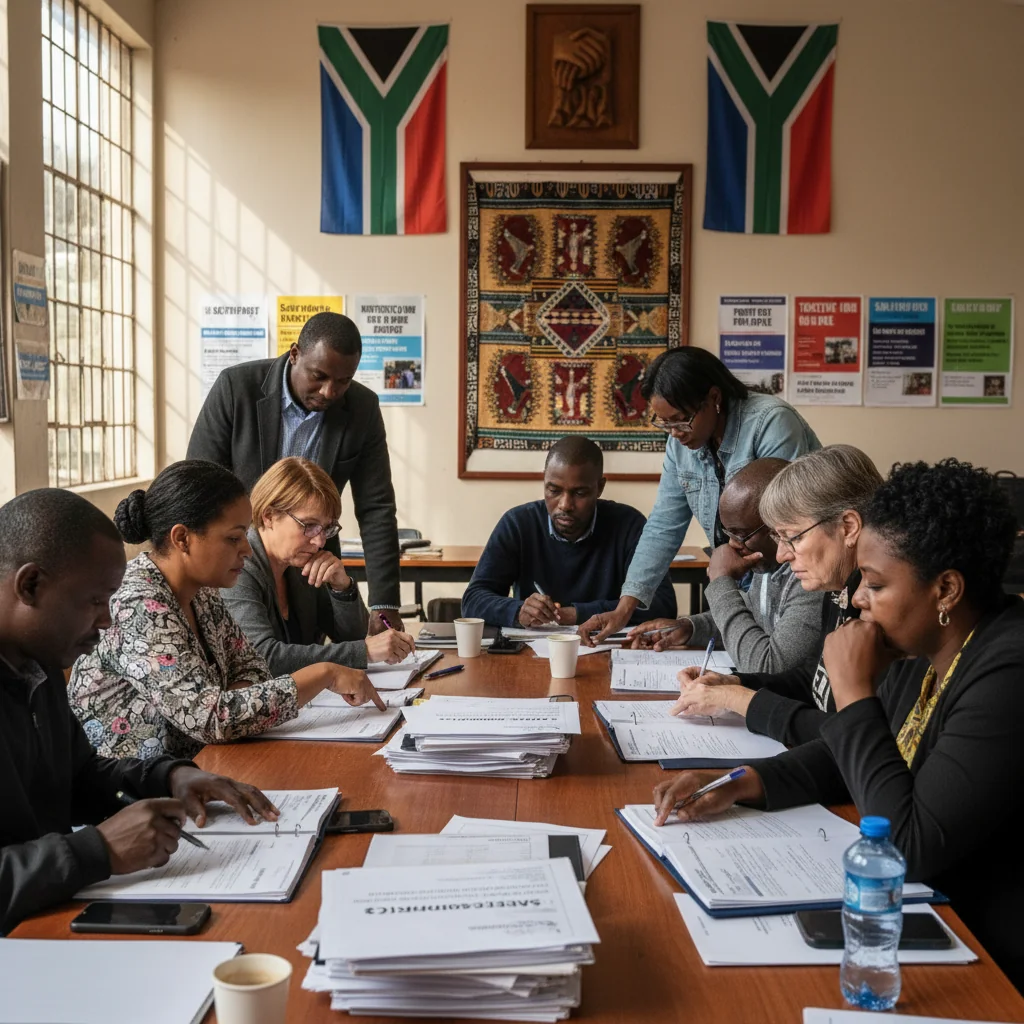
What Are Safeguarding Policies in South Africa?
Safeguarding policies in South Africa are structured frameworks designed to protect vulnerable individuals, such as children, the elderly, and those with disabilities, from abuse, neglect, and exploitation. These policies aim to create safe environments by promoting prevention, early intervention, and accountability, ensuring that rights to dignity and safety are upheld in line with constitutional principles.
The primary legislation underpinning these policies is the Children's Act 38 of 2005, which mandates reporting of child abuse and outlines responsibilities for protecting minors from harm. Other key regulations include the Older Persons Act 13 of 2006 for elder care and the Domestic Violence Act 116 of 1998, which address exploitation in various settings; organizations must integrate these into their operations to comply with national standards.
In schools, safeguarding policies require background checks for staff, mandatory reporting protocols, and child protection training to prevent abuse. Organizations and communities apply these through risk assessments, whistleblower mechanisms, and partnerships with authorities like the South African Police Service, fostering a culture of vigilance and support for vulnerable groups.
For a comprehensive overview of implementing a safeguarding policy in South Africa, visit our detailed guide at Safeguarding Policy. Organizations are encouraged to develop bespoke safeguarding documents using Docaro's AI-generated legal tools tailored to South African law, ensuring compliance and customization. For official resources, refer to the Children's Act on the Government of South Africa website or the Older Persons Act.
"Safeguarding policies are essential to protect children and vulnerable groups from exploitation and harm in South Africa. I recommend consulting legal experts to develop bespoke AI-generated documents via Docaro for tailored, compliant frameworks that address specific risks effectively." – Dr. Lindiwe Nkosi, Constitutional Law Professor, University of Cape Town.
Why Do Safeguarding Policies Matter in South Africa?
Safeguarding policies in South Africa are essential for protecting vulnerable individuals, such as children and the elderly, from abuse and exploitation within organizations like schools, NGOs, and businesses. These policies address the country's high vulnerability rates, where statistics from the South African Police Service indicate over 20,000 reported child abuse cases annually, underscoring the need for proactive measures to foster a safer society.
Legally, organizations must comply with frameworks like the Children's Act of 2005 and the Older Persons Act of 2006, which mandate safeguarding protocols to prevent harm and ensure accountability. Non-compliance can result in severe penalties, including fines or operational shutdowns, making adherence a critical legal requirement for ethical operations.
The societal impacts of robust safeguarding policies include reduced abuse incidents and enhanced trust in institutions, contributing to community well-being and long-term development. For organizations, benefits encompass risk mitigation, improved reputation, and employee morale, ultimately supporting sustainable growth in a high-risk environment.
To develop effective safeguarding policies, organizations should explore key elements outlined in the article Key Elements of an Effective Safeguarding Policy for South African Organizations. For tailored legal documents, consider bespoke AI-generated solutions using Docaro to ensure compliance with South African regulations.
How Do They Protect Vulnerable Populations?
Safeguarding policies in South Africa are designed to protect children, the elderly, and other vulnerable groups from abuse, exploitation, and neglect by establishing legal frameworks that prioritize their rights and safety. These policies, rooted in the Constitution and acts like the Children's Act of 2005, mandate prevention, intervention, and support services to ensure vulnerable individuals receive protection without discrimination.
For children, safeguarding includes mandatory reporting of abuse under the Children's Act, which empowers social workers and educators to intervene in cases of physical or emotional harm. A real-world example is the Child Protection Register, which tracks children at risk and facilitates foster care placements, as seen in operations by the Department of Social Development to rescue children from abusive homes.
Elderly protection falls under the Older Persons Act of 2006, which safeguards against elder abuse through community care services and legal recourse for mistreatment in care facilities. In practice, this has led to investigations and closures of abusive nursing homes, with reporting mechanisms allowing anonymous tips to provincial authorities for swift action.
Other vulnerable groups, such as people with disabilities, benefit from the National Disability Rights Awareness Strategy, which integrates safeguarding into public services. Reporting mechanisms, like the national helpline operated by the Department of Social Development, enable quick responses, as demonstrated in community-driven efforts to protect disabled individuals from exploitation in rural areas.

What Are the Key Legal Frameworks for Safeguarding in South Africa?
Safeguarding laws in South Africa form a robust framework to protect vulnerable individuals, particularly children and those affected by substance abuse. The Constitution of the Republic of South Africa, 1996, serves as the foundational document, enshrining rights to dignity, equality, and protection from abuse in Section 28 for children, emphasizing the state's duty to safeguard their well-being.
The Children's Act 38 of 2005 is a cornerstone legislation for child protection in South Africa, outlining measures for preventing abuse, neglect, and exploitation while promoting family preservation and alternative care. It mandates reporting of child abuse and establishes structures like children's courts to enforce these protections, ensuring holistic safeguarding.
Complementing these, the Prevention of and Treatment for Substance Abuse Act 70 of 2008 addresses safeguarding by providing frameworks for rehabilitation and prevention of substance-related harms, particularly impacting children and families. This act integrates with broader child welfare systems to mitigate risks from parental addiction, focusing on community-based interventions.
Enforcement of these safeguarding frameworks in South Africa is primarily led by the Department of Social Development (DSD), which oversees implementation through social service professionals, monitoring compliance, and collaborating with NGOs. For detailed resources, refer to the official Department of Social Development website or the South African Government justice portal for acts and policies.
What Role Do International Agreements Play?
The UN Convention on the Rights of the Child (UNCRC), ratified by South Africa in 1995, fundamentally shapes national safeguarding policies by embedding children's rights to protection, survival, and development into domestic law. This international framework influences legislation like the Children's Act of 2005, which aligns with UNCRC articles on preventing abuse and ensuring access to education and healthcare.
Key alignments include South Africa's commitment to child protection services, mirroring UNCRC's emphasis on family preservation and alternative care, as seen in policies from the Department of Social Development. For instance, the National Child Protection Strategy incorporates UNCRC principles to combat child labor and trafficking, promoting holistic child welfare.
Implementation challenges persist due to resource constraints and uneven enforcement across provinces, hindering full realization of UNCRC standards in rural safeguarding. Overcrowded orphanages and delays in foster care placements highlight gaps, as noted in reports from the South African Human Rights Commission (SAHRC official site).
To address these, ongoing reforms advocate for integrated monitoring systems, yet disparities in training for social workers remain a barrier to effective child rights implementation in South Africa.
In the South African context, where children face heightened vulnerabilities due to socioeconomic disparities and historical inequalities, the United Nations Convention on the Rights of the Child emphasizes that governments must implement comprehensive, context-specific safeguarding frameworks to protect children from exploitation, abuse, and violence. Robust measures, including integrated child protection systems and community-based monitoring, are essential to uphold every child's right to safety, dignity, and development.
How Can Organizations Develop Effective Safeguarding Policies?
1
Assess Risks
Conduct a thorough assessment of potential safeguarding risks within your organization, identifying vulnerabilities specific to your operations in South Africa.
2
Develop Bespoke Policies
Create tailored safeguarding policies using Docaro's AI-generated legal documents, ensuring compliance with South African regulations and your unique needs.
3
Implement Policies
Roll out the policies organization-wide, integrating them into daily practices and providing initial guidance to all staff members.
4
Ongoing Training and Review
Deliver regular training sessions and conduct periodic reviews to update policies, referencing best practices at /en-za/a/implementing-safeguarding-policies-south-africa-best-practices.
Creating safeguarding policies in South African contexts requires a deep understanding of local laws like the Children's Act and cultural nuances to protect vulnerable groups effectively. Organizations should begin by conducting a thorough risk assessment tailored to South African environments, such as addressing issues like gender-based violence prevalent in communities.
Stakeholder consultation is essential for robust policies, involving engagement with local NGOs, community leaders, and government bodies like the Department of Social Development. This collaborative approach ensures policies are inclusive and resonate with diverse South African demographics, fostering trust and compliance.
Integrating safeguarding into organizational culture means embedding it through training programs and leadership commitment, aligning with South African values of ubuntu. For bespoke legal documents, utilize AI-generated solutions from Docaro to customize policies without relying on generic templates.
Key best practices include regular policy reviews and monitoring, with resources from authoritative South African sources like the Department of Justice providing guidance on implementation. This ensures policies remain adaptive to evolving challenges in the South African landscape.
What Training Is Required for Staff?
In South African organizations, staff training programs for safeguarding policies must prioritize the recognition of abuse, including physical, emotional, sexual, and neglectful forms. These programs should equip employees with skills to identify subtle signs of child abuse or vulnerability, drawing from guidelines by the Department of Justice and Constitutional Development, ensuring compliance with the Children's Act.
Reporting procedures form a critical component of these training initiatives, teaching staff the mandatory steps to report suspicions of abuse to designated authorities like the South African Police Service or child protection services. Effective programs emphasize timely and confidential reporting to prevent escalation, aligning with national protocols outlined by the Department of Social Development.
Ethical responsibilities in safeguarding training underscore the duty of care, confidentiality, and non-discrimination, fostering a culture of accountability among staff. Organizations should integrate these elements into ongoing professional development to maintain ethical standards and legal adherence in protecting vulnerable individuals.

How Do You Report Safeguarding Concerns in South Africa?
In South Africa, reporting safeguarding issues such as child abuse, elder neglect, or gender-based violence is crucial for protection and justice. Timely action through established mechanisms ensures swift intervention, with legal protections under the Protected Disclosures Act safeguarding reporters from retaliation, including anonymity where possible.
The primary authority for criminal safeguarding concerns is the South African Police Service (SAPS), reachable via the national emergency number 10111 for immediate threats or by visiting your local station. For child-specific issues, contact the Childline South Africa hotline at 08000 55 555, which offers 24/7 anonymous counseling and referral to authorities.
Anonymous reporting options include the National Crime Stop hotline at 08600 10111, ideal for tipping off on abuse without revealing your identity. Organizations like Lifeline South Africa provide confidential support lines for victims and witnesses, emphasizing prompt reporting to prevent escalation.
For workplace or institutional safeguarding violations, report to the Commission for Gender Equality via their website or hotline at 0800 007 709, ensuring your disclosure is handled professionally. Always prioritize safety by documenting details and seeking legal advice to uphold your rights as a reporter in South Africa.
1
Assess and Identify Concern
Evaluate the situation to confirm if it involves child abuse or neglect. Gather initial facts without confronting the individual, ensuring safety.
2
Report to Authorities
Immediately report the concern to the South African Police Service (SAPS) or Department of Social Development hotline at 0800 428 428 for urgent action.
3
Follow Up and Document
Monitor the case progress with authorities. Document all details, actions, and communications; use Docaro for bespoke AI-generated legal records if needed.
What Challenges Exist in Implementing Safeguarding Policies?
Implementing safeguarding policies in South Africa faces significant resource limitations, where underfunded organizations and rural communities struggle with training and infrastructure. To overcome this, partnerships with NGOs like the Save the Children South Africa can provide essential funding and expertise for effective child protection programs.
Cultural barriers often hinder safeguarding efforts in South Africa, as traditional practices may conflict with modern child rights standards, leading to resistance in reporting abuse. Strategies include community education campaigns tailored to local customs, promoting dialogue to align cultural values with legal safeguarding frameworks.
Enforcement issues persist due to overburdened law enforcement and judicial delays in South Africa, weakening policy implementation. Building capacity through specialized training for police and judges, as outlined by the Department of Justice, ensures consistent application of safeguarding laws.
For a deeper dive into these challenges and solutions, explore the main article Understanding Safeguarding Policies in South Africa: A Comprehensive Guide.
"Overcoming implementation hurdles in safeguarding efforts requires prioritizing community-driven strategies that adapt to local contexts, ensuring sustained buy-in and measurable impact," says Thabo Nkosi, Executive Director of the South African Child Protection Network. To the reader: Leverage bespoke AI-generated legal documents via Docaro to tailor safeguarding policies precisely to your organization's needs, enhancing compliance and effectiveness without generic pitfalls.