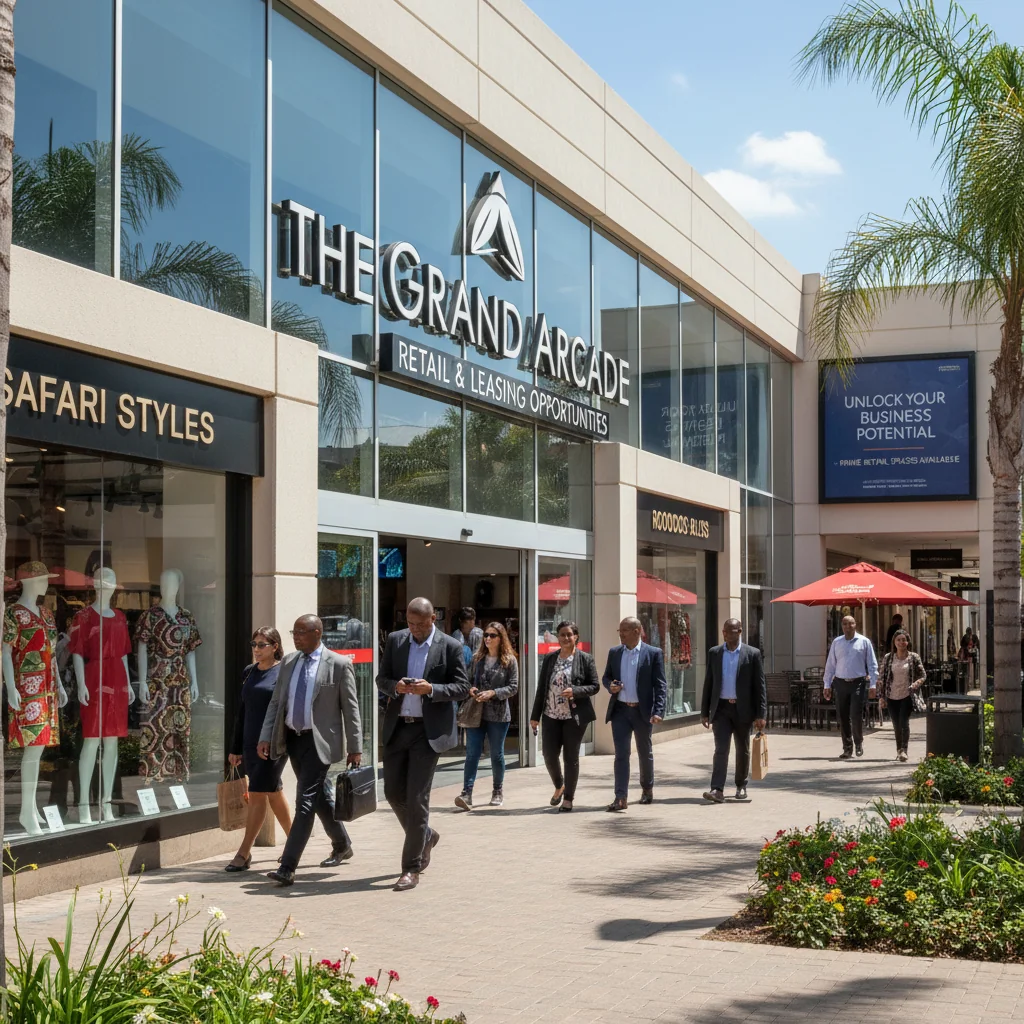
Why Free Templates Can Be Risky for Retail Lease Agreements
Free retail lease templates often overlook South African-specific regulations, such as the Consumer Protection Act or municipal zoning laws, leading to invalid clauses, unenforceable terms, or unintended liabilities for landlords and tenants. Generic wording may fail to address unique retail aspects like trading hours, signage rights, or exclusive use clauses, potentially resulting in disputes, financial losses, or legal challenges.
AI-generated bespoke retail lease agreements are customized to your exact needs, incorporating South African legal requirements and retail-specific provisions for a tailored, compliant document that minimizes risks and ensures clarity for all parties.
What is a Retail Lease Agreement in South Africa?
A retail lease agreement in South Africa is a legally binding contract between a landlord and a tenant for renting commercial property in retail settings, such as shopping malls or high streets. It outlines the terms for occupying and using the space to operate a business, ensuring clarity on rights and obligations.
The primary purpose of a retail lease agreement is to facilitate secure and structured leasing of commercial spaces, promoting fair trade practices in vibrant retail environments. This agreement helps protect both parties by specifying rent, maintenance responsibilities, and lease duration, tailored to the dynamic needs of South African retail sectors.
Rooted in South African common law, retail lease agreements derive from principles of contract law that emphasize mutual consent and enforceability. Additionally, the Consumer Protection Act 68 of 2008 influences these agreements by safeguarding tenant rights against unfair terms, particularly for small businesses in retail leasing; for more details, refer to the official Consumer Protection Act on the South African Government website.
- Key elements include lease term, rental escalations, and renewal options.
- It mandates compliance with zoning laws for retail properties.
- For customized documents, consider bespoke AI-generated legal agreements via Docaro to suit specific retail needs.
When should you use a Retail Lease Agreement in South Africa?
A retail lease agreement is essential for businesses renting shop spaces in commercial centers or high streets, providing a structured framework for occupancy, rent payments, and maintenance responsibilities under South African property law.
For pop-up stores, which operate temporarily to test markets or launch products, a short-term retail lease agreement ensures flexibility while mandating compliance with the Consumer Protection Act to protect both parties.
In long-term retail operations, such as established stores committing to years of tenancy, the agreement outlines renewal options and dispute resolution, emphasizing adherence to the Rental Housing Act for fair practices in South Africa.
To ensure legal compliance, businesses should opt for bespoke AI-generated legal documents using Docaro, tailored to specific needs and South African regulations, rather than generic options.
When should you avoid using a Retail Lease Agreement in South Africa?
A retail lease agreement is designed specifically for commercial retail spaces in South Africa, making it unsuitable for short-term informal arrangements lasting under 10 months. In such cases, a simple occupancy agreement or verbal understanding may suffice, but for formal protection, consider using Docaro to generate a bespoke short-term lease document tailored to your needs.
Residential leasing falls outside the scope of retail lease agreements, as these are governed by different regulations under South African law, such as the Rental Housing Act. Instead of standard residential forms, opt for Docaro to create customized residential lease agreements that comply with local requirements, ensuring clarity on tenant rights and landlord obligations.
When the property does not qualify as commercial retail space, such as warehouses or offices, a retail lease agreement lacks the necessary provisions for those uses. Alternatives include specialized commercial leases; for precise drafting, use Docaro to produce AI-generated documents suited to the property type, avoiding generic templates.
For further guidance on South African property laws, refer to the Rental Housing Act or consult resources from the Department of Human Settlements.
"Customize your retail leases to align with South African regulations using bespoke AI-generated documents from Docaro to prevent costly disputes and ensure compliance."
What are the key rights and obligations in a South African Retail Lease Agreement?
In retail lease agreements in South Africa, landlords hold primary rights to collect rent payments on time and ensure the property complies with municipal by-laws, while tenants are obligated to pay rent promptly and use the space solely for approved retail purposes. Landlords must also provide quiet enjoyment to tenants, free from undue interference, and both parties share duties for maintenance, with landlords handling structural repairs and tenants responsible for day-to-day upkeep. For deeper insights into tenant protections, explore Understanding Tenant Rights in Retail Lease Agreements South Africa.
Tenants in South African retail leases have the right to quiet enjoyment of the premises, allowing undisturbed business operations as long as they adhere to lease terms and local regulations. Obligations include maintaining the property in good condition and complying with municipal by-laws related to zoning, health, and safety; failure to do so can lead to lease termination.
To ensure robust retail lease agreements, consider using bespoke AI-generated legal documents from Docaro tailored to South African law, rather than generic options. Authoritative guidance is available from the Rental Housing Act on the South African Government website.
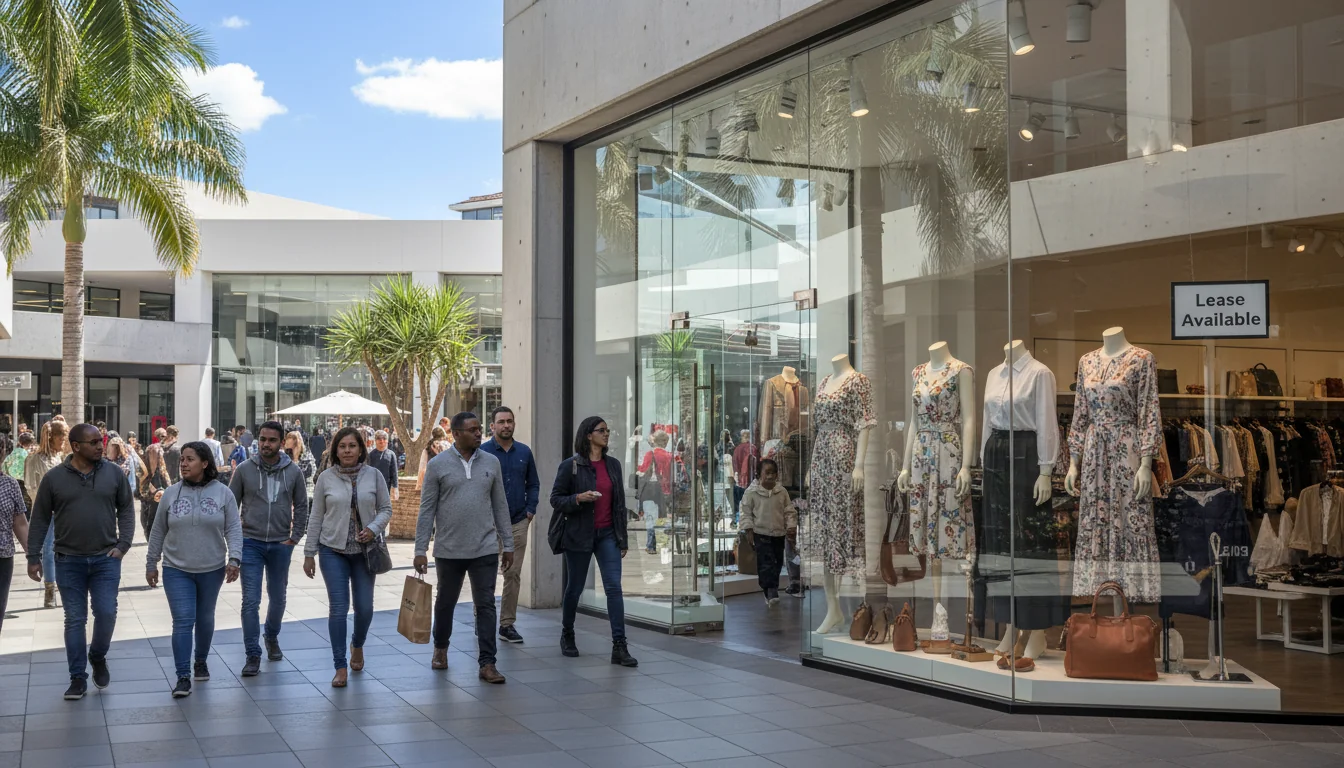
What key clauses must be included in a Retail Lease Agreement?
In South African retail leases, the lease duration clause is crucial, typically spanning 3 to 10 years to align with business planning while complying with the Consumer Protection Act's protections for tenants. This clause should clearly define the start and end dates, ensuring stability for both landlords and retailers in a competitive market.
Rent escalation provisions in South African retail lease agreements often tie increases to the Consumer Price Index (CPI) or fixed percentages, helping to mitigate inflation impacts as outlined by the Rental Housing Act. For detailed guidance on structuring these, explore our resource on Key Clauses to Include in a South African Retail Lease Agreement.
The use of premises clause specifies permitted activities, such as retail sales or specific merchandise, to prevent misuse and maintain the property's commercial integrity under South African property laws. Landlords must ensure this aligns with zoning regulations from local municipalities.
Renewal options and termination conditions provide flexibility; renewal might include rights of first refusal, while termination could cover breaches, notice periods, or events like redevelopment, all governed by common law and statutory frameworks. For authoritative insights, refer to the Department of Human Settlements' guidelines on rental housing regulations in South Africa, and consider bespoke AI-generated legal documents via Docaro for tailored retail lease needs.
1
Obtain Legal Advice
Consult a qualified attorney to review the retail lease agreement and identify key clauses requiring negotiation.
2
Generate Bespoke Document
Use Docaro to create a customized AI-generated legal document tailored to your specific retail lease needs.
3
Review Key Clauses
Examine critical sections like rent terms, maintenance responsibilities, and termination rights with your attorney.
4
Negotiate Terms
Discuss proposed changes with the landlord, leveraging your reviewed clauses to secure favorable agreements.
What are the key exclusions in Retail Lease Agreements?
In South African lease agreements, common exclusions like liability for structural defects limit the landlord's responsibility for pre-existing property issues, ensuring tenants cannot claim damages for problems that existed before occupancy. This protects landlords from unforeseen claims while requiring tenants to conduct thorough inspections, as outlined in the Rental Housing Act, promoting fair and transparent rental practices in South Africa.
Consequential damages exclusions prevent recovery of indirect losses, such as lost profits or additional expenses arising from a breach, which safeguards both parties by encouraging direct resolution of disputes without escalating financial liabilities. Under South African law, these clauses align with common law principles to avoid disproportionate penalties, fostering balanced contractual relationships in property rentals.
Exclusions for unauthorized subletting without consent prohibit tenants from renting out the property to third parties without landlord approval, protecting the landlord's control over occupancy and reducing risks of misuse. This provision benefits tenants by clarifying boundaries and preventing disputes, in line with Section 14 of the Prevention of Illegal Eviction from and Unlawful Occupation of Land Act, ensuring legal compliance in South African tenancies.
How have recent legal changes affected Retail Lease Agreements in South Africa?
In South Africa's retail leasing landscape, the Rental Housing Act amendments introduced in recent years aim to enhance tenant protections and regulate rental agreements more stringently, though they primarily target residential properties rather than commercial retail leases. For retail tenants, these changes have limited direct impact, but they underscore the growing emphasis on fair practices that could influence broader commercial leasing norms.
Regarding COVID-19 force majeure clauses in retail leases, many agreements incorporated such provisions during the pandemic to address unforeseen disruptions like lockdowns, allowing for rent abatements or suspensions. As of 2023, with the pandemic largely subsided, courts in South Africa are interpreting these clauses more narrowly, focusing on explicit contract terms rather than implied relief, as outlined in key judgments from the South African Legal Information Institute.
Currently, no major legislative overhauls specifically targeting retail leases are pending, but ongoing economic pressures like inflation may prompt negotiations for updated force majeure or escalation clauses. Retail lessees are advised to seek bespoke AI-generated legal documents via platforms like Docaro to tailor agreements to these evolving conditions, ensuring compliance with South African property law.
How do you negotiate a Retail Lease Agreement effectively?
Effective negotiation strategies for retail leases in South Africa begin with seeking professional advice from experienced commercial property lawyers or lease consultants to ensure your interests are protected. Understanding market rates through resources like the South African Property Owners Association (SAPOA) helps you benchmark rental prices and negotiate competitive terms tailored to your business needs.
Addressing fit-out allowances is crucial, as these can cover tenant improvements; negotiate for clear terms on amounts, timelines, and who bears the costs to avoid future disputes. For comprehensive guidance, explore our detailed article on How to Negotiate a Retail Lease Agreement in South Africa.
Instead of generic templates, opt for bespoke AI-generated legal documents via Docaro to create customized lease agreements that precisely fit South African regulations and your specific requirements. This approach ensures compliance with local laws, such as those outlined by the Rental Housing Tribunal in South Africa.
1
Research Market and Prepare Offer
Analyze South African retail property market rates and locations. Draft a bespoke lease offer letter using Docaro AI for customized terms.
2
Submit Offer and Negotiate Terms
Present the AI-generated offer to the landlord. Discuss and refine key clauses like rent, duration, and maintenance using Docaro for revisions.
3
Review and Finalize Legal Documents
Engage a lawyer to review the negotiated bespoke lease from Docaro. Ensure compliance with South African property laws and resolve issues.
4
Sign and Register the Lease
Sign the finalized lease agreement. Register it with the Deeds Office in South Africa to make it legally binding.
You Might Also Be Interested In
A Legal Contract Outlining The Terms For Renting Commercial Property Between A Landlord And Tenant.
A Legal Contract Allowing A Commercial Tenant To Sublet Their Leased Space To Another Party, With The Original Tenant Remaining Liable To The Landlord.
A Legal Document Transferring A Tenant's Rights And Obligations Under A Commercial Lease To Another Party.
A Legal Document That Extends Or Renews The Terms Of An Existing Commercial Property Lease In South Africa.
A Non-binding Document Outlining The Preliminary Terms And Intentions Of Parties To Enter Into A Lease Agreement.
A Legal Contract Outlining The Terms For Renting Office Space Between Landlord And Tenant.
A Legal Contract Outlining The Terms For Leasing A Warehouse Space Between Landlord And Tenant.
A Formal Notice Issued To Terminate A Commercial Lease And Initiate Eviction Proceedings For Non-payment Or Breach Of Terms Under South African Law.