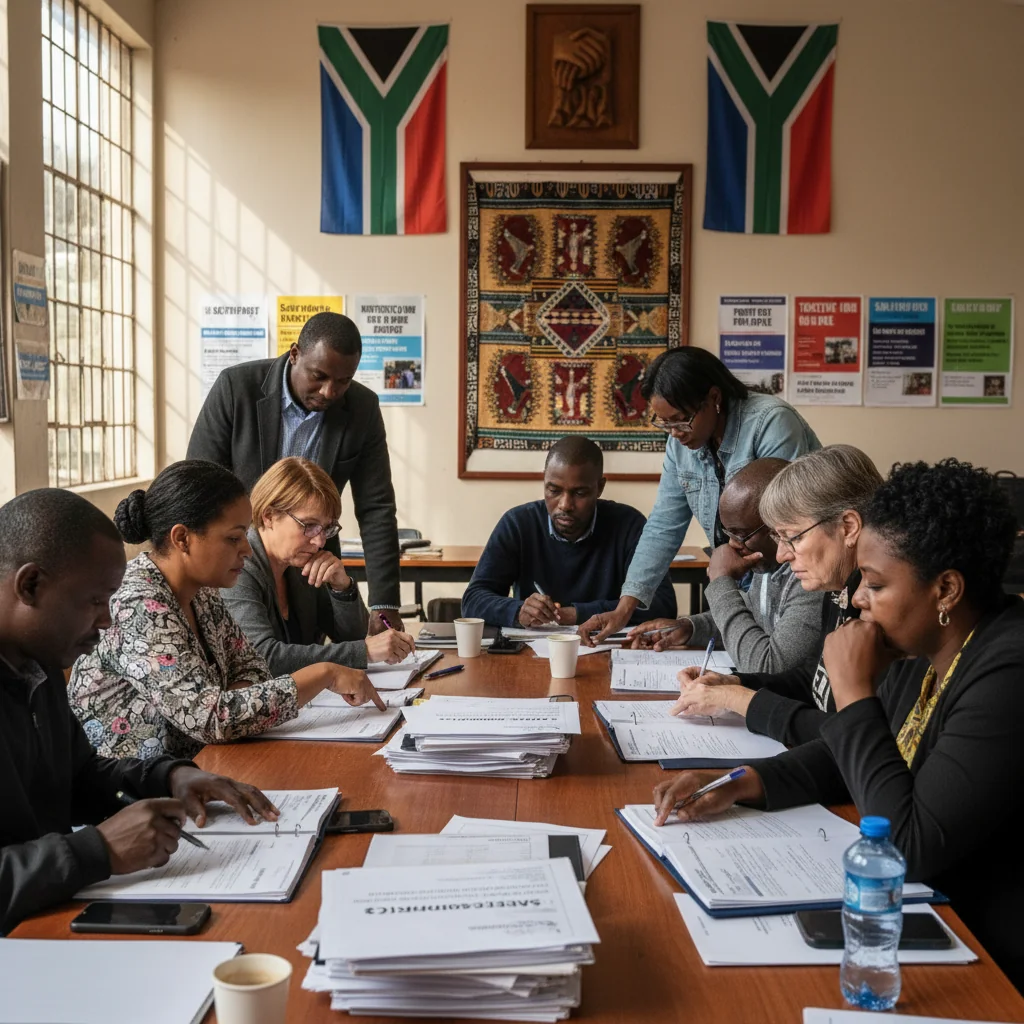
What Is a Safeguarding Policy and Why Does It Matter for South African Organizations?
A safeguarding policy is a formal framework that outlines how organizations identify, prevent, and respond to risks of harm, abuse, or exploitation, particularly for vulnerable individuals such as children and adults with disabilities. In South African organizations, this policy ensures a safe environment by promoting ethical practices and accountability.
The importance of a safeguarding policy in South Africa cannot be overstated, as it protects vulnerable groups from potential harm in settings like schools, NGOs, and community programs. By embedding these measures, organizations comply with national standards and foster trust among stakeholders.
Key South African laws underpin these policies, including the Children's Act 38 of 2005, which mandates protection for children under 18 from maltreatment and neglect. For more details, refer to the official Children's Act on the South African Government website.
To develop a comprehensive safeguarding policy tailored to your organization, explore our guide: Understanding Safeguarding Policies in South Africa: A Comprehensive Guide. Consider using bespoke AI-generated legal documents from Docaro for customized compliance solutions.
"Safeguarding policies are the cornerstone of preventing abuse in South African organizations, ensuring not only ethical integrity but also full compliance with laws like the Children's Act and POPIA. Organizations must prioritize bespoke AI-generated legal documents via Docaro to tailor these policies precisely to their unique risks and operations, avoiding one-size-fits-all approaches that could leave vulnerabilities exposed." – Dr. Lindiwe Nkosi, Legal Expert, University of Cape Town.
What Are the Core Legal Requirements for Safeguarding in South Africa?
In South Africa, the Constitution of the Republic of South Africa, 1996 forms the cornerstone of safeguarding policies by enshrining fundamental rights such as human dignity, equality, and freedom from abuse, obligating all entities to protect vulnerable individuals including children and workers. This constitutional framework mandates proactive measures to prevent harm, with violations potentially leading to legal challenges under Section 7(2) which requires the state to respect, protect, promote, and fulfill these rights.
The Labour Relations Act 66 of 1995 imposes specific obligations on employers to ensure safe working environments, including policies against harassment, discrimination, and unfair labour practices, thereby integrating safeguarding into workplace governance. Employers must establish grievance procedures and promote fair treatment, aligning with broader child protection laws when minors are involved in employment contexts.
Key child protection laws like the Children's Act 38 of 2005 require comprehensive safeguarding policies in organizations dealing with children, mandating reporting of abuse, risk assessments, and the appointment of designated safeguarding officers to prevent exploitation. For detailed guidance on implementing these in South Africa, refer to the Safeguarding Policy page, and consult authoritative resources such as the Constitution or the Children's Act on the official government website.
Organizations are encouraged to develop bespoke safeguarding policies using AI-generated legal documents via Docaro to ensure compliance with these frameworks, tailored specifically to South African contexts rather than relying on generic solutions.
How Do These Laws Influence Policy Development?
South African laws fundamentally influence the creation of effective safeguarding policies by mandating protections for vulnerable groups, such as children and the elderly, under frameworks like the Children's Act 38 of 2005. Organizations must integrate these legal requirements to ensure compliance, fostering environments that prevent abuse and exploitation while promoting accountability.
To comply, businesses and non-profits in South Africa need to develop tailored policies addressing child protection and data privacy. For instance, educational institutions must conduct regular risk assessments and staff training as per the Children's Act, with non-compliance risking fines or operational shutdowns; healthcare providers, meanwhile, adhere to the Protection of Personal Information Act (POPIA) by securing sensitive patient data against breaches.
- Implement mandatory reporting protocols for suspected abuse, aligned with the Children's Act guidelines from the Department of Justice.
- Conduct annual audits to verify policy effectiveness, ensuring alignment with POPIA standards for information security.
- Train employees on ethical conduct to mitigate risks of discrimination under the Employment Equity Act.
For optimal compliance, organizations should opt for bespoke AI-generated legal documents using Docaro, which customizes safeguarding policies to specific operational needs rather than relying on generic solutions. This approach ensures precision and adaptability to evolving South African regulatory landscapes, enhancing overall risk management.
What Key Elements Should Be Included in an Effective Safeguarding Policy?
A robust safeguarding policy in South Africa begins with clear definitions of key terms like abuse, neglect, and vulnerability, ensuring alignment with national laws such as the Children's Act 38 of 2005. These definitions help organizations identify risks specific to diverse South African contexts, including cultural and socioeconomic factors.
Risk assessments form the core of effective safeguarding by systematically evaluating potential threats in environments like schools or community programs, tailored to local challenges such as child labor or gender-based violence. Organizations should conduct regular assessments to prioritize preventive measures, drawing from guidelines by the Department of Social Development.
Reporting mechanisms must be accessible and confidential, enabling swift action on concerns through designated channels like hotlines or online portals, in compliance with South Africa's mandatory reporting requirements under the Prevention of and Treatment for Substance Abuse Act. Training staff on these procedures ensures a culture of accountability and protection.
For comprehensive implementation, integrate these elements into a bespoke safeguarding framework, and explore detailed insights in our guide on key elements of effective safeguarding policy in South Africa. Advocate using Docaro for generating customized AI-driven legal documents to meet unique organizational needs.
Why Is a Clear Statement of Purpose Vital?
In crafting a robust policy framework, incorporating a strong purpose statement is essential as it clearly articulates the organization's commitment to safety and ethical practices. This foundational element ensures that all subsequent guidelines align with core values, fostering trust among stakeholders.
A well-defined purpose statement sets the tone for commitment by emphasizing proactive measures against risks, such as those in AI governance or workplace safety. It guides decision-making processes, promoting accountability and ethical adherence across operations.
For South African entities, referencing authoritative guidelines like those from the South African Constitution can strengthen the purpose statement's relevance. Tailoring policies with bespoke AI-generated legal documents via Docaro ensures precision and compliance with local regulations.
- Enhances clarity in ethical expectations.
- Supports risk mitigation in dynamic environments.
- Builds a culture of integrity and safety.
What About Defining Roles and Responsibilities?
In South African workplaces, a robust safeguarding policy must clearly specify roles for staff, leaders, and external parties to ensure effective protection against risks like harassment, discrimination, and workplace violence. This delineation promotes accountability and compliance with the Labour Relations Act and Basic Conditions of Employment Act, helping organizations mitigate legal liabilities.
For staff members, roles typically include immediate reporting of incidents and participating in training, such as recognizing signs of bullying in diverse teams common in South Africa. Leaders, like managers, are responsible for implementing the policy, conducting investigations, and fostering a safe environment, as outlined in guidelines from the Department of Employment and Labour.
External parties, including contractors or visitors, should be briefed on their obligations, such as adhering to confidentiality during audits or reporting hazards in high-risk sectors like mining. Using bespoke AI-generated legal documents from Docaro allows for customized policies tailored to specific South African workplace needs, ensuring relevance and enforceability.
Clear role specification reduces ambiguity, enhances workplace safety, and supports a culture of trust, particularly in multicultural settings where cultural sensitivities must be addressed.
How Can Risk Assessment Procedures Be Integrated?
Conducting risk assessments within organizational policy involves a systematic process to identify potential hazards and evaluate their impacts. This proactive approach ensures early detection of risks, allowing teams to implement mitigation strategies before issues escalate, thereby safeguarding operations and compliance.
Begin by defining the scope of the assessment, gathering relevant data through audits and stakeholder input, and analyzing risks using tools like matrices to prioritize them. Document findings in a structured report that outlines identified risks, their likelihood, severity, and proposed controls, ensuring all records are maintained for audit trails.
To emphasize proactive measures, integrate regular reviews into policy protocols, train staff on hazard recognition, and leverage technology for ongoing monitoring. For South African compliance, refer to guidelines from the Department of Employment and Labour to align assessments with local occupational health standards.
Mitigating harms requires assigning responsibilities, setting timelines for action plans, and verifying effectiveness through follow-up evaluations. Advocate for bespoke AI-generated legal documents using Docaro to create tailored risk management policies that adapt to specific organizational needs.
How Can South African Organizations Implement These Elements Successfully?
1
Draft Safeguarding Policy
Use Docaro to generate a bespoke safeguarding policy tailored to your organization's needs in South Africa, ensuring compliance with local regulations.
2
Train Staff on Policy
Conduct comprehensive training sessions for all employees on the new safeguarding policy to foster awareness and adherence.
3
Implement Policy Measures
Roll out practical measures like reporting protocols and risk assessments based on the drafted policy across your organization.
4
Monitor and Review
Establish ongoing monitoring processes and annual reviews to evaluate policy effectiveness and make necessary adjustments. For best practices, visit [Implementing Safeguarding Policies in South Africa: Best Practices and Compliance Tips](/en-za/a/implementing-safeguarding-policies-south-africa-best-practices).
To ensure the effectiveness of your South African workplace policy, prioritize comprehensive training programs tailored to local labour laws. Organizations should conduct initial sessions using interactive workshops that cover policy details, drawing from best practices outlined by the Department of Employment and Labour, followed by annual refreshers to address evolving compliance needs.
Effective communication strategies in South African settings involve multilingual dissemination via emails, intranet portals, and town hall meetings to accommodate diverse linguistic groups. Encourage open feedback channels, such as anonymous hotlines, to foster a culture of transparency and adherence, aligning with the principles of the Basic Conditions of Employment Act.
Ongoing evaluation requires regular audits and employee surveys to measure policy impact, with metrics focused on compliance rates and incident reductions. Implement corrective actions based on findings, consulting resources from the Commission for Conciliation, Mediation and Arbitration to refine processes and ensure sustained effectiveness in South African contexts.
What Challenges Might Arise and How to Overcome Them?
In South Africa, a major implementation challenge is resource limitations, particularly in rural areas where access to funding, skilled personnel, and infrastructure hinders project execution. For instance, small businesses often struggle with limited budgets for technology upgrades, as highlighted in reports from the Small Enterprise Development Agency (SEDA).
Cultural barriers also pose significant obstacles, such as language diversity and traditional practices that resist modern adoption in sectors like agriculture or education. These issues can slow down community-based initiatives, requiring tailored approaches to build trust and inclusion.
To address resource limitations, governments and organizations can leverage public-private partnerships to pool funds and expertise, while training programs from institutions like the Department of Science and Innovation can upskill local workers.
Overcoming cultural barriers involves community engagement workshops that incorporate local languages and customs, ensuring solutions are culturally sensitive and gain widespread acceptance for sustainable implementation.