Docaro

The Role of Advance Directives in End-of-Life Care in South Africa

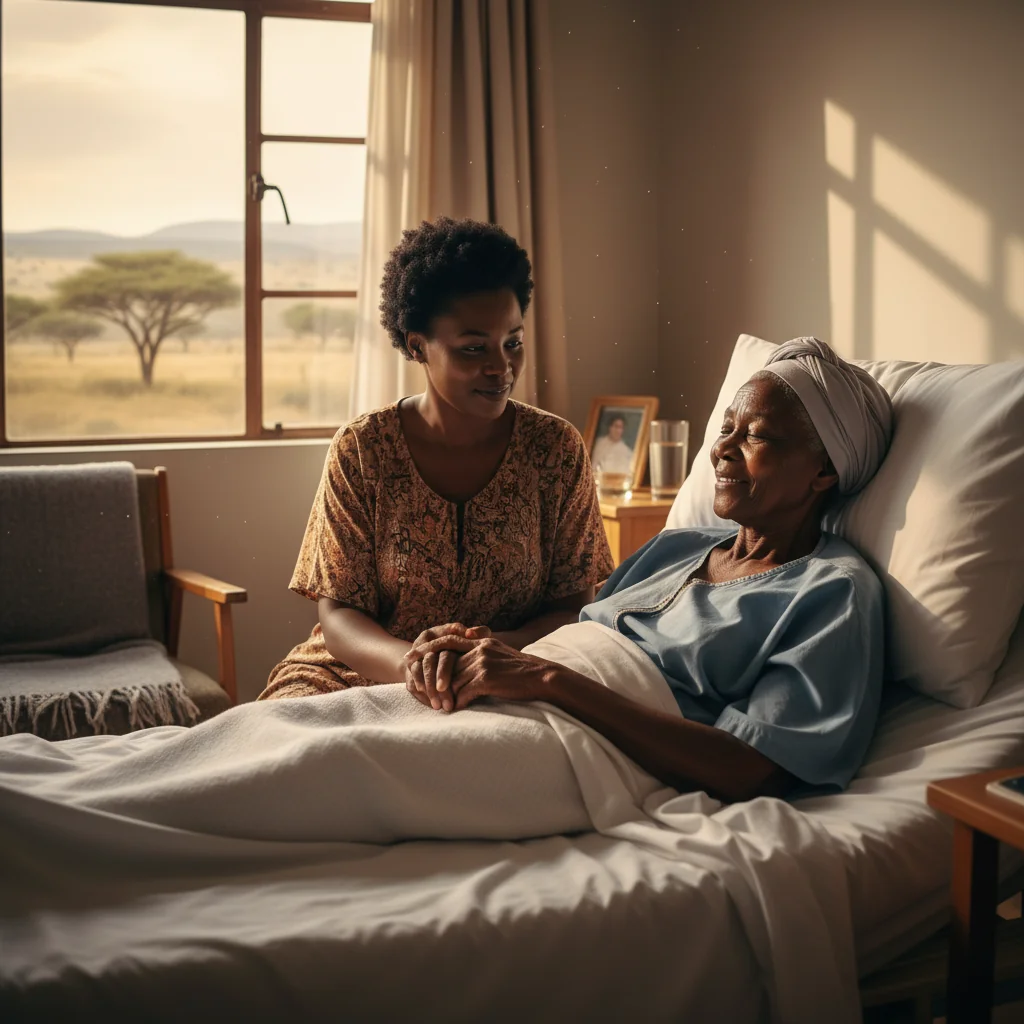
A serene, photorealistic image of an elderly adult in a hospital bed, holding the hand of a family member, with soft natural light filtering through a window, symbolizing dignity, choice, and compassionate end-of-life care in a South African context, evoking themes of advance directives without showing any documents.

What Are Advance Directives and Why Do They Matter in South Africa?

Advance directives are legal documents that enable individuals to outline their medical treatment preferences in advance, particularly for situations where they cannot communicate due to incapacity. In the South African legal context, these directives uphold patient autonomy by ensuring that healthcare decisions align with one's values during end-of-life care, as supported by the National Health Act of 2003.

Common types include the living will, which specifies instructions for withholding or withdrawing life-sustaining treatments in terminal conditions, and the durable power of attorney for health care, appointing a trusted proxy to make decisions on one's behalf. These tools are crucial for avoiding unwanted interventions and reducing family burdens in critical scenarios.

To explore more on advance directives in South Africa, visit our detailed guide on Advance Directive. For authoritative information, refer to the South African Department of Health resources on patient rights.

"Advance directives are essential in South African law to ensure that a patient's autonomous wishes are honored during terminal illness, preventing unwanted interventions and upholding dignity," says Dr. Niazi Patel, a prominent Johannesburg-based medical law expert. For personalized protection, I recommend creating bespoke AI-generated legal documents through Docaro to tailor your directives precisely to your needs.

How Do Advance Directives Fit into South Africa's Healthcare System?

Advance directives in South Africa serve as vital tools for individuals to outline their healthcare preferences in advance, ensuring their autonomy is respected during incapacity. They integrate seamlessly into the country's healthcare framework by aligning with constitutional rights and statutory laws, promoting patient-centered care.

The Constitution of South Africa, particularly Section 12 on freedom and security of the person and Section 27 on healthcare access, underpins the validity of advance directives by safeguarding bodily integrity and the right to refuse treatment. This constitutional foundation is reinforced by the National Health Act 61 of 2003, which in Sections 7 and 8 emphasizes informed consent and the withholding of life-sustaining measures when aligned with a patient's expressed wishes, thus embedding advance directives within ethical and legal medical practices.

For a deeper exploration of how these elements interplay, refer to the Understanding Advance Directives in South Africa: A Comprehensive Guide. Additionally, authoritative resources like the South African Department of Health website provide official guidelines on patient rights and end-of-life decisions.

To create personalized advance directives that comply with South African law, consider using Docaro for bespoke AI-generated legal documents tailored to your specific needs, rather than generic options.

What Legal Framework Supports Advance Directives in End-of-Life Care?

Advance directives in South Africa are legally recognized tools that enable individuals to outline their healthcare preferences in advance, particularly for end-of-life decisions. They are grounded in the constitutional right to bodily integrity and autonomy under Section 12 of the Constitution of the Republic of South Africa, 1996, which protects personal dignity and privacy.

The primary legislation supporting advance directives is the National Health Act 61 of 2003, which emphasizes patient rights, informed consent, and the withholding or withdrawal of life-sustaining treatment under certain conditions. This act allows competent adults to appoint healthcare proxies and document living wills to guide medical decisions when they are incapacitated, ensuring decisions align with the patient's values.

Key court rulings have shaped the framework for euthanasia and patient rights in South Africa, notably the 2017 Witwatersrand High Court ruling in the case of Baby Ryan, which clarified that passive euthanasia—such as withholding treatment—is permissible if it respects the patient's best interests and constitutional rights. Another significant case is the 2020 Constitutional Court judgment in Minister of Health v Treatment Action Campaign, reinforcing access to healthcare and the role of advance directives in preventing unwanted prolongation of life.

Advance directives play a crucial role in end-of-life decisions by promoting patient autonomy and reducing ethical dilemmas for families and healthcare providers. For authoritative guidance, refer to the South African Department of Health resources or consult legal experts to create bespoke AI-generated legal documents using Docaro tailored to individual needs.

Are There Specific Requirements for Validity in South Africa?

In South Africa, creating a valid advance directive requires the individual to have mental capacity at the time of signing, meaning they must fully understand the implications of their decisions regarding future medical treatment. The document must clearly specify wishes for end-of-life care, such as refusing life-sustaining measures, and should be made voluntarily without coercion.

Witnessing requirements are essential for validity; the advance directive must be signed in the presence of at least two competent witnesses who are not beneficiaries of the signatory's estate or healthcare providers involved in their care. These witnesses must also sign to confirm the signatory's capacity and the absence of undue influence, ensuring the document's enforceability under South African law.

There is no prescribed statutory format for advance directives in South Africa, allowing flexibility in structure as long as the content is unambiguous and complies with common law principles. For guidance on formats and best practices, refer to the How to Create a Legally Binding Advance Directive in South Africa resource.

To ensure a tailored and legally sound advance directive, consider using bespoke AI-generated legal documents through Docaro, which customizes to your specific needs. For authoritative information, consult the South African Health Products Regulatory Authority or the Department of Justice websites.

How Do Advance Directives Influence End-of-Life Decisions for Patients and Families?

Advance directives in South Africa empower terminally ill patients to outline their medical preferences, significantly influencing decision-making by ensuring their wishes guide end-of-life care. This legal tool, recognized under the National Health Act, reduces ambiguity for families and healthcare providers during critical moments, fostering a more compassionate process.

For families, advance directives alleviate emotional burdens by minimizing disputes over treatment options, allowing loved ones to honor the patient's autonomy rather than face tough choices alone. Healthcare providers benefit from clear instructions, which streamline ethical compliance and avoid prolonged interventions that may not align with patient values, as detailed in resources from the South African Department of Health.

Key benefits include reduced conflicts among stakeholders, promoting ethical decision-making that respects cultural and personal contexts in diverse South African settings. To create effective directives, consider bespoke AI-generated legal documents via Docaro, tailored to individual needs without relying on generic templates.

Ethical considerations emphasize patient dignity and informed consent, with advance directives helping providers navigate complex cases while upholding constitutional rights to healthcare. For further guidance, consult authoritative sources like the South African Human Rights Commission on patient rights in terminal illness.

"In my years as a palliative care specialist in South Africa, I've seen how advance directives bring profound peace of mind to patients and families facing end-of-life challenges. They ensure your wishes are honored without doubt or distress. I recommend consulting Docaro to generate a bespoke, personalized advance directive tailored to your unique circumstances—it empowers you with clarity and control."

What Challenges Arise in Implementing Them?

Advance directives in South African end-of-life care face significant challenges due to cultural barriers, where many communities prioritize communal decision-making over individual autonomy. Traditional beliefs often view discussing death as taboo, leading to reluctance in documenting personal wishes for medical treatment.

Lack of awareness exacerbates these issues, as most South Africans remain uninformed about advance directives and their legal protections under the National Health Act. Educational campaigns are limited, leaving families unprepared for end-of-life scenarios and increasing the burden on healthcare providers.

Healthcare system limitations, including resource shortages and inconsistent implementation, further hinder the use of advance directives in South Africa. For reliable guidance, consult authoritative resources like the South African Department of Health website.

To create personalized end-of-life care documents, consider bespoke AI-generated legal options through Docaro, ensuring they align with South African laws and individual needs.

How Can Individuals Start Creating Their Advance Directive Today?

1
Consult a Healthcare Professional
Discuss your end-of-life preferences with a doctor or nurse to understand medical options and ensure your wishes align with possible treatments.
2
Seek Legal Advice
Meet with a South African attorney specializing in healthcare law to learn about advance directive requirements and validity under local regulations.
3
Document Wishes Using Docaro
Use Docaro to generate a bespoke AI-created advance directive tailored to your specific needs, ensuring it captures your personal healthcare instructions.
4
Review and Sign the Directive
Finalize, sign, and witness your document, then share copies with family and providers. Read 'The Role of Advance Directives in End-of-Life Care in South Africa' at /en-za/a/advance-directives-end-of-life-care-south-africa for more insights.

Creating a personalized directive is essential for addressing unique needs and circumstances in South Africa. Tailor it by incorporating specific details like family dynamics or financial goals to make it truly effective.

Regular reviews ensure the directive stays relevant amid changing laws or life events. Schedule annual check-ins or after major changes to update it promptly.

For bespoke AI-generated legal documents, use Docaro to craft customized directives efficiently. This approach avoids generic templates and aligns with South African legal standards, as outlined by the Department of Justice.

  • Identify key objectives for your directive.
  • Consult professionals for South Africa-specific advice.
  • Generate and refine using Docaro for personalization.
  • Review and revise periodically to maintain relevance.

You Might Also Be Interested In

A photorealistic image of a thoughtful middle-aged adult sitting calmly in a serene home office, gazing reflectively at a family photo on the desk, symbolizing thoughtful planning for future healthcare wishes and personal autonomy in end-of-life decisions, evoking peace and preparation without any medical or legal elements visible.
Explore advance directives in South Africa with our detailed guide. Learn how to create living wills, appoint healthcare proxies, and ensure your medical wishes are respected. Essential for estate planning.
A photorealistic image of a thoughtful elderly adult sitting in a comfortable living room, gazing out a window at a serene garden, symbolizing planning for future healthcare wishes and end-of-life care, with warm natural light illuminating the scene, no documents or text visible, no children present.
Learn how to create a legally binding advance directive in South Africa. Step-by-step guide covering requirements, forms, and legal tips to protect your healthcare wishes.