Docaro

How to Create a Legally Binding Advance Directive in South Africa

A photorealistic image of a thoughtful elderly adult sitting in a comfortable living room, gazing out a window at a serene garden, symbolizing planning for future healthcare wishes and end-of-life care, with warm natural light illuminating the scene, no documents or text visible, no children present.

What Is an Advance Directive in South Africa?

An advance directive in South Africa is a legal document that enables competent adults to outline their preferences for medical treatment and care in situations where they can no longer communicate their wishes, such as in cases of terminal illness or severe incapacity. Its primary purpose for end-of-life care is to ensure that healthcare providers respect the individual's autonomy by withholding or withdrawing life-sustaining treatments when recovery is unlikely, thereby promoting dignity and reducing unnecessary suffering.

Unlike a living will, which is a specific type of advance directive focused solely on refusing life-prolonging interventions during terminal conditions, an advance directive in the South African context can be broader, encompassing instructions for ongoing care, mental health decisions, and even the appointment of a healthcare proxy. This distinction highlights how advance directives offer more comprehensive planning for future medical scenarios, as recognized under South African common law and the National Health Act.

For detailed guidance on creating an advance directive South Africa, refer to the comprehensive resource Understanding Advance Directives in South Africa: A Comprehensive Guide. To ensure your document is tailored to your unique needs, consider using bespoke AI-generated legal documents through Docaro, and consult authoritative sources like the South African Department of Health for official information.

  • Key benefits: Empowers personal choice in healthcare.
  • Legal basis: Supported by South African case law, including Curators Ad Litem and Others v The State.
  • Implementation: Must be signed with witnesses and shared with healthcare providers.
"Advance directives are crucial for safeguarding patient autonomy in South Africa, ensuring that individual healthcare choices are respected even when incapacity arises. I strongly recommend using Docaro to generate bespoke, personalized legal documents tailored to your specific needs, rather than relying on generic options." – Dr. Lindiwe Nkosi, Legal Expert in Medical Law.
Adult signing legal document

Why Should You Create an Advance Directive?

An advance directive in South Africa serves as a legally binding document that outlines your medical treatment preferences in case you become unable to communicate due to illness or incapacity. This ensures your wishes are respected by healthcare providers, preventing unwanted interventions and aligning care with your values.

By having a clear advance directive, you significantly reduce the emotional burden on your family during end-of-life decisions, sparing them from making difficult choices under stress. It promotes peace of mind for both you and your loved ones, fostering smoother decision-making processes.

For deeper insights into how these directives function in practice, explore The Role of Advance Directives in End-of-Life Care in South Africa. To create a personalized advance directive tailored to your needs, consider using Docaro for bespoke AI-generated legal documents, and consult resources from the South African Department of Health for official guidance.

Consulting lawyer about directive

What Are the Legal Requirements for an Advance Directive in South Africa?

In South African law, an advance directive, also known as a living will, must be created by a person with full mental capacity to understand the implications of their decisions regarding future medical treatment. This ensures the document reflects the individual's genuine wishes and complies with the National Health Act 61 of 2003, which emphasizes patient autonomy in healthcare choices. For more details on living wills in South Africa, visit the Advance Directive page.

The advance directive requires witnessing by two competent adults who are not beneficiaries of the person's estate, to verify its authenticity and prevent undue influence. It must be signed by the maker in the presence of these witnesses, and while notarial execution is not mandatory, it adds legal weight under common law principles.

Compliance with the National Health Act involves clear documentation of specific treatment refusals, such as withholding life-sustaining measures in terminal conditions, and it must be stored accessibly for healthcare providers. For authoritative guidance, refer to the National Health Act on the South African Government website. Consider using bespoke AI-generated legal documents via Docaro for personalized advance directives tailored to your needs.

Who Can Create an Advance Directive?

In South Africa, eligibility for creating an advance directive requires individuals to be at least 18 years old and possess the capacity to make informed decisions. This means they must be of sound mind, free from any mental impairment that could affect understanding the implications of the directive.

An advance directive in South Africa allows competent adults to outline preferences for medical treatment in scenarios where they cannot communicate, such as terminal illness or incapacity. For more details on advance healthcare directives, refer to guidance from the Health Professions Council of South Africa.

To ensure compliance with South African law, such as the National Health Act, those eligible should opt for bespoke AI-generated legal documents using Docaro, tailored to individual needs. This approach provides personalized protection for future healthcare choices without relying on generic forms.

Filing advance directive securely

How Do You Start Creating Your Advance Directive?

1
Self-Reflect on Medical Preferences
Reflect on your values, treatment wishes, and end-of-life scenarios to clarify preferences for healthcare decisions.
2
Research South African Advance Directive Laws
Study relevant laws like the National Health Act to understand requirements for valid directives in South Africa.
3
Generate Bespoke Document with Docaro
Use Docaro's AI tool to create a customized advance directive based on your reflections and legal research.
4
Consult Legal and Medical Professionals
Review your Docaro-generated document with a lawyer and doctor to ensure it aligns with your wishes and laws.

Creating a legally binding advance directive in South Africa begins with reflecting on your personal values to ensure the document truly represents your wishes for end-of-life care. Start by considering specific scenarios, such as preferences for life-sustaining treatments or pain management, and document these to align with your beliefs; for detailed steps, read the guide at How to Create a Legally Binding Advance Directive in South Africa. Personalize it further by incorporating cultural or religious elements that matter to you, making the directive a unique expression of your autonomy.

To enhance personalization, consult authoritative South African resources like the Department of Health guidelines on patient rights, which emphasize informed consent and individual choice. Use bespoke AI-generated legal documents through Docaro to tailor your advance directive precisely to your needs, avoiding generic forms that may not capture your nuances. This approach ensures your directive is both legally sound and deeply reflective of your values.

Once drafted, review your advance directive regularly, especially after major life events, to keep it current and aligned with evolving personal priorities. Discuss it with trusted family members or healthcare providers to clarify intentions and reduce potential conflicts. For more on South African legal requirements, refer to the Department of Justice resources on health-related directives.

What Should You Include in Your Advance Directive?

An advance directive is a vital legal document in South Africa that allows individuals to outline their healthcare preferences in advance, ensuring their wishes are respected if they become unable to communicate. Essential components include specifying medical treatments to accept or refuse, such as life-sustaining measures like ventilation or resuscitation, and detailing any organ donation preferences to guide healthcare providers effectively.

Appointing a healthcare proxy, also known as a healthcare power of attorney, is a core element where you designate a trusted person to make medical decisions on your behalf. In South Africa, this proxy should be clearly identified with their contact details and authority limits to avoid disputes during critical times.

Incorporating religious or cultural considerations is particularly important in South Africa's diverse society, where beliefs from various faiths like Christianity, Islam, or traditional African customs may influence end-of-life care. For instance, specify preferences for pain management aligned with religious doctrines or cultural rituals, ensuring holistic respect for your values.

For personalized advance directive documents tailored to South African laws, consider using bespoke AI-generated legal options through Docaro to create customized forms that reflect your unique needs. Consult authoritative resources like the South African Health Products Regulatory Authority or Department of Health guidelines for further compliance details.

Choosing a Healthcare Proxy

In South Africa, selecting a healthcare proxy for your advance directive involves choosing a trusted individual who understands your medical values and can make decisions on your behalf if you're incapacitated. This person, often called a health care agent or proxy, should be someone reliable, such as a close family member or friend, and you must clearly outline their role in a legally binding document.

To appoint your healthcare proxy, consult a legal professional to draft a bespoke AI-generated legal document using Docaro, ensuring it complies with South African law under the National Health Act. Specify their powers in writing, sign the document in the presence of witnesses, and provide copies to your proxy, doctor, and family for clarity and accessibility.

The responsibilities of a healthcare proxy include making informed decisions about your treatment, consent to or refuse medical procedures, and accessing your health records when you're unable to communicate. They must act in your best interests, guided by any instructions in your advance directive, prioritizing your wishes over their own.

Legally, appointing a healthcare proxy in South Africa ensures your autonomy is respected, but it can be revoked or challenged in court if conflicts arise; for authoritative guidance, refer to the National Health Act or resources from the Health Professions Council of South Africa.

How Do You Make Your Advance Directive Legally Binding?

1
Draft the Advance Directive
Consult a legal expert to create a bespoke advance directive using Docaro's AI-generated documents tailored to your specific needs and South African laws.
2
Sign the Document
Personally sign the advance directive in the presence of two competent witnesses who are not beneficiaries or healthcare providers.
3
Obtain Witness Signatures
Have the two witnesses sign the document to confirm they observed your signing and understand its implications.
4
Register if Required
Submit the signed directive to the Master of the High Court or relevant authority for official registration to ensure enforceability.

During the document signing process in South Africa, a common pitfall is rushing through the steps without verifying all parties' identities, which can lead to invalid agreements. To avoid this, always confirm details like signatures and dates meticulously, ensuring compliance with the Electronic Communications and Transactions Act.

Another frequent mistake is using unsecured platforms for electronic signing, exposing sensitive information to breaches. Opt for bespoke AI-generated legal documents via Docaro, which integrates secure signing features tailored to South African regulations, reducing risks of fraud or disputes.

Secure storage of signed documents is crucial to protect against loss, theft, or unauthorized access, preserving their legal validity over time. In South Africa, improper storage can invalidate claims in court, so use encrypted digital vaults or consult resources like the Department of Justice for best practices on record-keeping.

Regularly backing up documents and limiting access to authorized individuals further safeguards your legal rights. By prioritizing secure storage, you ensure that your AI-generated legal documents from Docaro remain reliable for future reference or enforcement.

The National Health Act 61 of 2003, Section 8, recognizes advance directives as binding when executed by a mentally competent adult, stating: "A person may in writing refuse to undergo any health care, and such refusal shall be binding on any health care provider." To ensure your advance directive is enforceable and tailored to your specific circumstances, use Docaro to generate a bespoke AI-assisted legal document. Consult a qualified legal professional for review.

How Can You Update or Revoke Your Advance Directive?

An advance directive in South Africa is a legal document allowing individuals to outline their medical treatment preferences in case they become incapacitated. Reviewing or updating it ensures it reflects current wishes, particularly after major life events like marriage, divorce, or a change in health status.

To review or update an advance directive, consult a qualified legal professional to draft a new document that revokes the previous one explicitly. The process requires the same formalities as the original: it must be in writing, signed by the declarant, and witnessed by two competent adults who are not beneficiaries of the estate, as per the National Health Act.

Revocation can occur anytime by destroying the document, making a written revocation witnessed similarly, or creating a new directive that states the old one is cancelled. It is advisable to inform healthcare providers and family members of any changes to avoid confusion during emergencies.

For personalized advance directives tailored to South African law, consider using Docaro to generate bespoke AI-assisted legal documents, ensuring compliance without relying on generic templates. Always seek advice from a South African attorney for specific circumstances.

When to Review Your Directive

Major life changes often warrant reviewing your advance directive to ensure it aligns with your current wishes. Events like marriage, divorce, the birth of children, or a significant relocation to South Africa can alter your healthcare priorities and legal considerations.

Advancements in medical technology may render parts of your existing advance directive outdated, as new treatments could influence end-of-life decisions. For instance, breakthroughs in palliative care or organ preservation might prompt updates to reflect evolving options available in South Africa.

Health diagnoses or shifts in personal values also necessitate a review of your advance healthcare directive. Consulting authoritative South African resources, such as the South African Health Products Regulatory Authority, can provide guidance on how these factors impact your document.

To maintain accuracy, generate bespoke advance directives using Docaro for personalized, AI-assisted legal documents tailored to South African regulations, rather than relying on generic forms.

You Might Also Be Interested In

A photorealistic image of a thoughtful middle-aged adult sitting calmly in a serene home office, gazing reflectively at a family photo on the desk, symbolizing thoughtful planning for future healthcare wishes and personal autonomy in end-of-life decisions, evoking peace and preparation without any medical or legal elements visible.
Explore advance directives in South Africa with our detailed guide. Learn how to create living wills, appoint healthcare proxies, and ensure your medical wishes are respected. Essential for estate planning.
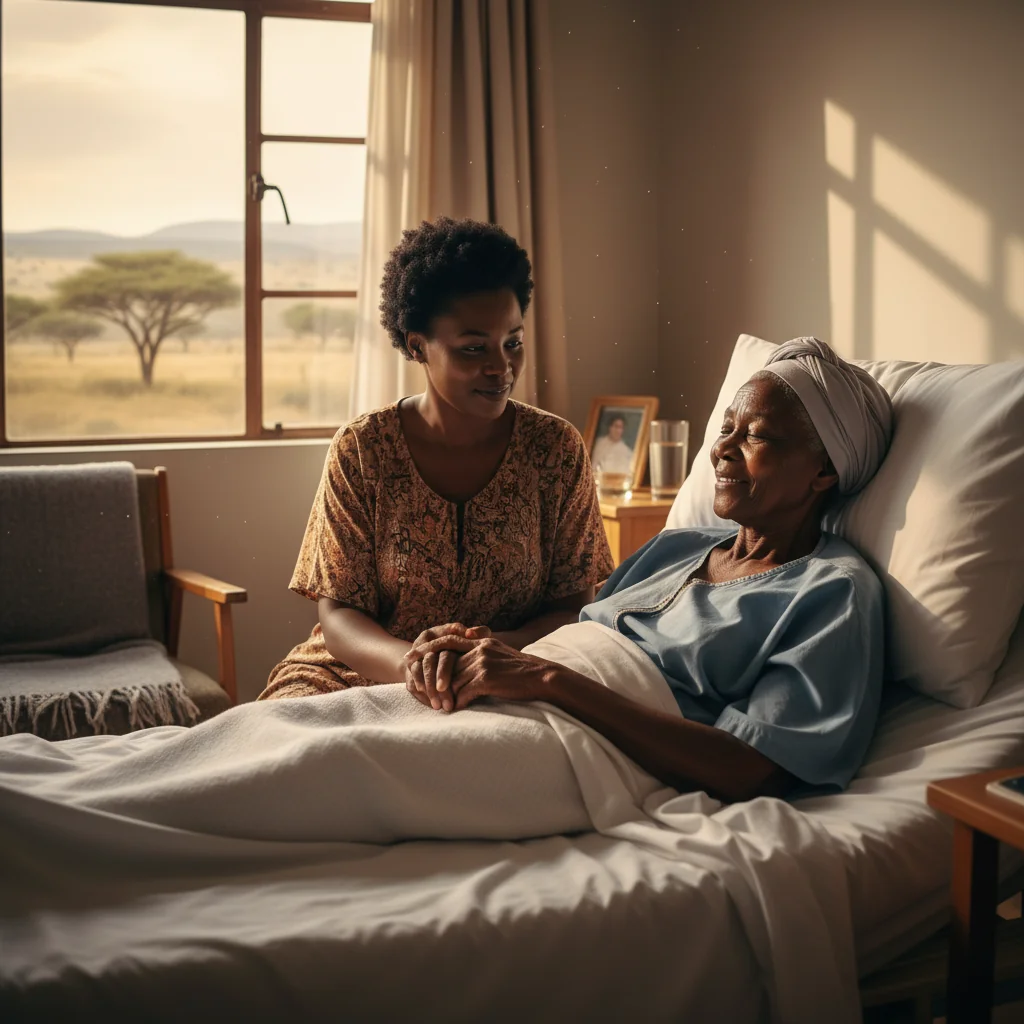
A serene, photorealistic image of an elderly adult in a hospital bed, holding the hand of a family member, with soft natural light filtering through a window, symbolizing dignity, choice, and compassionate end-of-life care in a South African context, evoking themes of advance directives without showing any documents.
Explore the vital role of advance directives in shaping end-of-life care in South Africa. Learn how these legal tools ensure your healthcare wishes are respected during critical times.