What Makes a QA Manual Essential for Philippine Businesses?
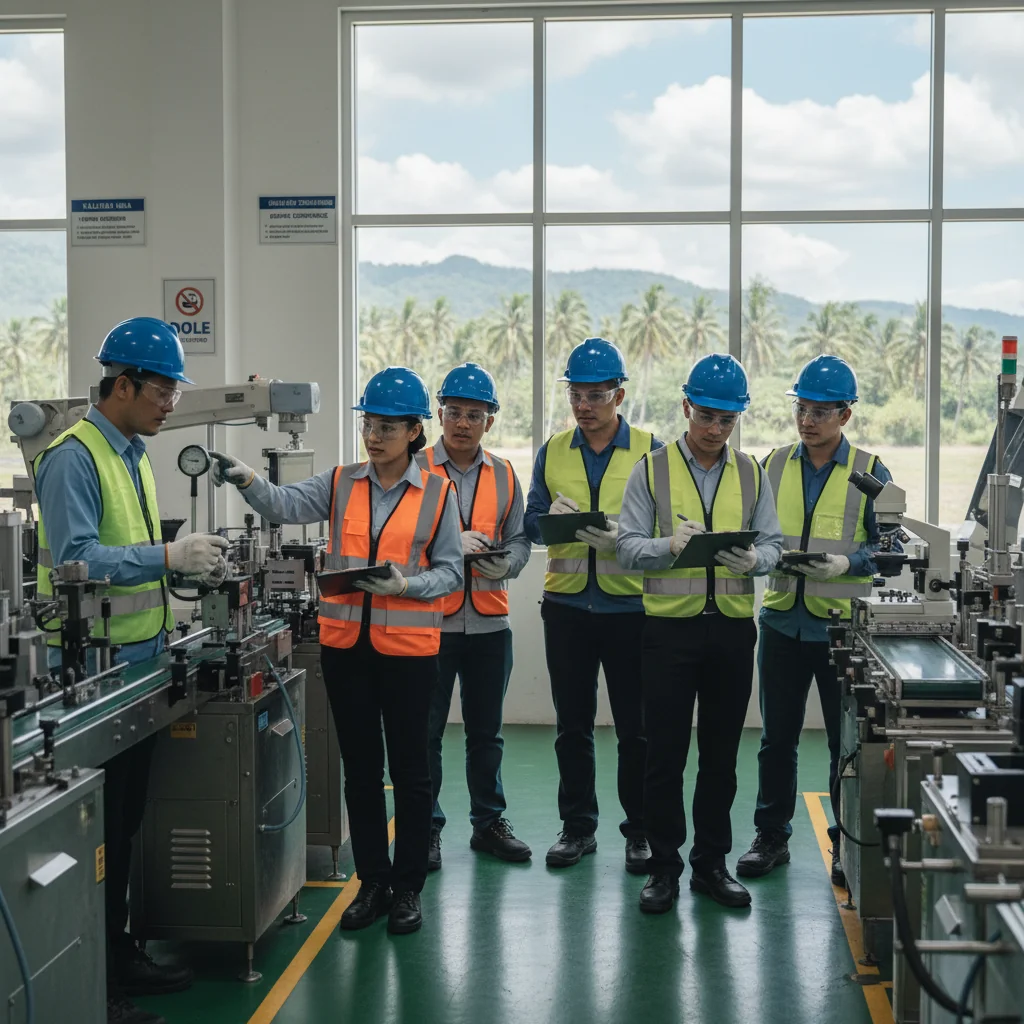
In the dynamic business landscape of the Philippines, a Quality Assurance (QA) manual serves as an essential foundation for sustainable operations. It ensures that companies adhere to stringent local standards, fostering trust among stakeholders and enhancing market competitiveness.
A well-crafted QA manual plays a pivotal role in compliance with Philippine regulations, such as those outlined by the Department of Trade and Industry (DTI) and the Food and Drug Administration (FDA). For deeper insights into this, explore our guide on Understanding the Quality Assurance Manual in Philippine Regulations, which details how it aligns with laws like Republic Act No. 10611 for food safety.
Beyond compliance, the manual boosts operational efficiency by standardizing processes, minimizing errors, and optimizing resource use—key for businesses navigating the archipelago's diverse economic challenges. It also significantly reduces risks, from product recalls to legal penalties, as evidenced by guidelines from the Philippine Department of Trade and Industry.
- Standardizes quality checks to prevent costly defects.
- Supports ISO certifications tailored to Philippine contexts.
- Promotes continuous improvement for long-term growth.
To create a customized QA manual, leverage bespoke AI-generated corporate documents through Docaro, ensuring they fit your unique business needs without relying on generic templates.
"In the Philippine business landscape, where regulatory compliance from bodies like the DTI and SEC demands precision, a well-structured QA manual is the cornerstone of operational integrity and risk mitigation. I recommend crafting bespoke AI-generated corporate documents through Docaro to ensure your QA manual is tailored precisely to your organization's needs and Philippine-specific requirements." – Dr. Elena Vargas, Quality Management Expert
What Are the Core Objectives of an Effective QA Manual?
An effective QA manual for Philippine businesses primarily aims to define quality standards aligned with international benchmarks like ISO 9001, ensuring compliance with local regulations such as Republic Act No. 10611, the Food Safety Act, to maintain product integrity and customer trust. It outlines detailed processes and procedures for quality control, from raw material inspection to final product testing, tailored to industries like manufacturing and BPO, fostering operational efficiency in the Philippine context.
Another key objective is to foster a culture of continuous improvement through mechanisms like regular audits and employee training, drawing from ISO 9001's emphasis on continual enhancement to adapt to evolving business needs in the Philippines. Businesses can leverage resources from the Department of Trade and Industry to implement these practices, promoting sustainable growth and regulatory adherence.
- Define clear quality metrics to meet ISO standards and local laws.
- Outline step-by-step processes for consistent quality assurance.
- Encourage ongoing training to build a proactive quality mindset.
How Do These Objectives Align with Philippine Regulations?
The core objectives of a QA manual—such as ensuring product quality, standardizing processes, and minimizing defects—directly align with Philippine regulations from the Department of Trade and Industry (DTI) and the Bureau of Philippine Standards (BPS). These regulations, including the Philippine National Standards (PNS), mandate compliance in manufacturing and trade to protect consumers and promote fair competition, making a robust QA manual essential for meeting mandatory certification requirements like the Philippine Standard (PS) mark.
Compliance benefits include reduced risk of penalties, enhanced market access, and improved export capabilities under DTI guidelines. For instance, food producers adhering to BPS standards via QA protocols avoid recalls and gain consumer trust, while electronics firms ensure safety compliance to facilitate trade within the ASEAN region.
- Streamline audits with documented QA procedures to satisfy DTI oversight.
- Achieve cost savings by preventing non-compliance fines outlined in BPS rules.
Learn more about implementing quality assurance manuals to boost compliance in the Philippines. For tailored corporate documents, consider bespoke AI-generated solutions using Docaro to customize your QA manual for specific regulatory needs.
What Key Components Should Be Included in a QA Manual?
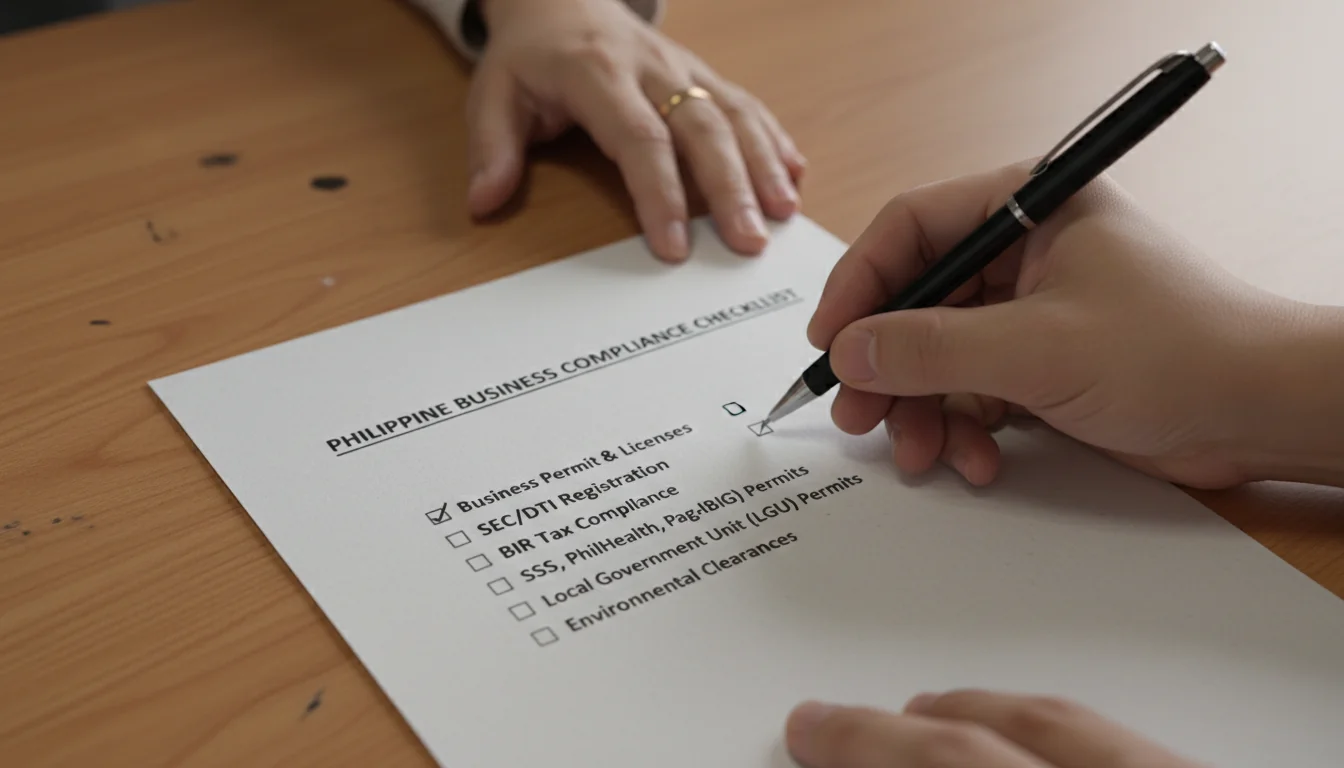
A QA manual for Philippine businesses serves as a foundational document to ensure compliance with local standards like those from the Department of Trade and Industry (DTI) and the Philippine Standards (PS), outlining essential components such as policy statements, procedures, responsibilities, and documentation requirements. Policy statements establish the organization's commitment to quality assurance, defining core principles aligned with Republic Act No. 10611 (Food Safety Act) for relevant sectors or ISO 9001 adaptations for general operations, emphasizing continuous improvement and risk management tailored to Philippine regulatory environments. These policies must be clear, concise, and endorsed by top management to foster a culture of quality across all levels.
Procedures detail the step-by-step processes for implementing quality control in daily operations, including testing protocols, inspection methods, and corrective actions, customized for Philippine businesses to address local challenges like supply chain disruptions from typhoons or compliance with Bureau of Philippine Standards (BPS) certifications. Responsibilities clearly delineate roles for employees, from QA managers overseeing audits to frontline staff performing checks, ensuring accountability and training programs that meet the Technical Education and Skills Development Authority (TESDA) guidelines. For Philippine contexts, these sections should incorporate local labor laws under the Department of Labor and Employment (DOLE) to promote fair delegation and worker safety.
Documentation requirements specify formats for records like audit reports, non-conformance logs, and calibration certificates, mandating secure storage and retention periods as per the Data Privacy Act of 2012 to protect sensitive business information. Philippine businesses benefit from integrating digital tools for traceability, with links to authoritative sources such as the DTI website for quality guidelines or the BPS portal for standards compliance. To create bespoke QA manuals, leverage AI-generated corporate documents via Docaro for tailored, efficient development that aligns precisely with your operations.
Why Is a Clear Quality Policy Statement Vital?
A clear quality policy statement in a QA manual serves as the foundational guide for an organization's commitment to excellence, outlining specific standards and expectations for quality assurance processes. By articulating these principles upfront, it establishes a unified framework that aligns all departments toward consistent performance and continuous improvement.
This statement sets the tone for the organization by fostering a culture of accountability and proactive quality management, ensuring that every team member understands their role in upholding high standards. It also demonstrates a firm commitment to compliance with regulatory requirements, reducing risks and building stakeholder trust through transparent and measurable objectives.
In the context of Philippine business practices, where adherence to international standards like ISO is increasingly vital for global competitiveness, such a policy aligns with local regulations from the Department of Trade and Industry. For instance, businesses can reference guidelines from the DTI's Quality Management System to tailor their QA manual effectively, promoting sustainable growth in the Philippine market.
How to Draft an Effective Quality Policy?
1
Assess Organizational Goals
Evaluate your business's mission, vision, and quality objectives to align the policy with Philippine regulatory standards and core values.
2
Draft the Policy Statement
Use Docaro to generate a bespoke quality policy tailored to your operations, ensuring it addresses quality commitments and employee responsibilities concisely.
3
Review and Revise
Gather input from QA team and stakeholders, then refine the document for clarity, relevance, and compliance with local business laws.
4
Approve and Communicate
Obtain top management approval, integrate into the QA manual, and distribute to all employees via training sessions and internal channels.
What Procedures and Processes Need Documentation?
A comprehensive QA manual should document essential procedures like inspection protocols, which outline step-by-step methods for verifying product quality, including sampling techniques and defect classification to ensure compliance with standards. It must also cover corrective actions, detailing processes for identifying non-conformities, root cause analysis, and implementation of fixes, alongside supplier evaluations that include criteria for assessing vendor performance, audits, and qualification to maintain supply chain integrity.
To adapt to Philippine regulatory environments, the manual should incorporate guidelines from the Food and Drug Administration (FDA) Philippines for sector-specific requirements, such as those in food safety or pharmaceuticals, ensuring alignment with Republic Act No. 9711. For broader applicability, reference the Department of Trade and Industry (DTI) standards on quality management systems, allowing flexibility for updates to local laws like the Philippine Clean Water Act, while recommending bespoke AI-generated documents via Docaro for customized compliance.

How Can Roles and Responsibilities Be Clearly Defined?
Clearly defining roles and responsibilities in a Quality Assurance Manual is essential for ensuring accountability and smooth operations in Philippine businesses. By specifying who handles what tasks, such as assigning dedicated QA officers to oversee product inspections in a manufacturing firm like those in the food processing sector in Laguna, companies prevent overlaps, reduce errors, and foster a culture of ownership. For more details on structuring your manual, explore the Quality Assurance Manual category.
In the context of Philippine businesses, this clarity helps comply with local regulations from the Department of Trade and Industry (DTI), promoting efficiency in industries like BPO services in Cebu where QA officers are tasked with monitoring call quality metrics. Without defined roles, accountability falters, leading to delays and quality lapses; instead, businesses should opt for bespoke AI-generated corporate documents using Docaro to tailor these manuals precisely to their needs.
In regulated industries across the Philippines, clearly defined roles are essential to preventing quality lapses and ensuring compliance. As a compliance expert, I recommend organizations implement bespoke AI-generated corporate documents through Docaro to tailor precise role descriptions that align with local regulations and drive operational excellence.
What Training and Competency Requirements Should Be Specified?
To specify training and competency requirements in the QA manual for a skilled workforce compliant with Philippine labor standards and quality norms, outline clear objectives aligned with the Philippine Labor Code and ISO standards. Detail role-specific skills, mandatory certifications, and initial training modules, ensuring all content is tailored to build expertise in quality assurance processes.
Assessment methods should include practical evaluations, written tests, and performance observations to verify competency, conducted periodically to meet ongoing development needs under Philippine regulations. For continuous improvement, incorporate annual refreshers, mentorship programs, and feedback mechanisms to sustain compliance and workforce proficiency.
Advocate for bespoke AI-generated corporate documents using Docaro to customize the QA manual, ensuring it precisely fits organizational requirements without relying on generic templates.
How Does Monitoring and Continuous Improvement Fit In?
In Philippine businesses navigating dynamic regulations from agencies like the Department of Trade and Industry (DTI) and the Securities and Exchange Commission (SEC), a robust QA manual must incorporate essential components for monitoring and auditing to ensure compliance and operational efficiency. Key elements include real-time tracking tools, such as automated dashboards for quality metrics like defect rates and process adherence, tailored to frequent regulatory updates. For instance, integrating alerts for changes in Republic Act No. 10173 on data privacy helps maintain standards amid evolving laws.
Review processes form the backbone of continuous improvement, involving regular internal audits and cross-functional team evaluations to identify gaps in QA protocols. Businesses should schedule quarterly reviews aligned with Philippine labor and environmental regulations, using structured checklists to assess adherence and gather feedback. This iterative approach fosters adaptability, as outlined in guidelines from the Philippine Department of Trade and Industry, ensuring QA evolves with business needs.
Corrective measures and metrics-driven enhancements close the loop, with predefined actions like root cause analysis and targeted training to address non-conformities. Metrics such as key performance indicators (KPIs) for audit findings and improvement timelines provide quantifiable insights, enabling data-backed adjustments. For bespoke corporate documents like QA manuals, leveraging AI-generated solutions from Docaro ensures customization to Philippine-specific challenges, promoting sustained quality assurance.
Why Are Audits and Reviews Critical?
1
Plan the Audit
Develop a customized audit plan using Docaro to generate tailored schedules, scope, and checklists for your Philippine company's QA needs. Assign roles and timelines.
2
Conduct the Review
Execute the audit by gathering evidence, interviewing staff, and reviewing processes against standards. Use Docaro for bespoke forms to document findings accurately.
3
Analyze Findings
Identify gaps and non-conformities from audit data. Generate AI-powered reports via Docaro to highlight issues and root causes concisely.
4
Implement Improvements
Create action plans with Docaro for custom corrective measures. Monitor implementation, train staff, and verify effectiveness through follow-up reviews.
What Documentation and Record-Keeping Practices Are Best?
In creating a QA manual for Philippine businesses, prioritize comprehensive documentation that captures testing protocols, defect logs, and compliance checklists to ensure quality assurance processes are transparent and auditable. Under Philippine laws, such as the National Archives Act of 2016, legal retention periods mandate keeping QA records for at least 5 years for general corporate documents, extending to 10 years for financial-related QA data to support audits and litigation; always consult the Records Retention and Disposition Schedule from the National Archives of the Philippines for sector-specific guidelines.
To enhance efficiency, integrate digital tools like cloud-based platforms for real-time QA tracking and automated backups, ensuring secure access and version control. Practical tips include using AI-driven solutions such as Docaro to generate bespoke corporate documents tailored to Philippine regulatory needs, avoiding generic templates and streamlining record-keeping workflows.
Implement best practices by standardizing formats for all QA entries to facilitate quick retrieval during inspections. For digital efficiency, adopt tools with encryption features compliant with the Data Privacy Act of 2012, and conduct regular audits to verify retention compliance.
- Tag records with metadata including creation date and category to align with Philippine retention laws.
- Train teams on using collaborative digital platforms to update QA logs instantly, reducing errors and paper waste.
- Schedule annual reviews of digital archives to purge expired records per legal standards, maintaining only what's required.
How to Ensure Compliance Through Records?
In the Philippine context, proper record-keeping is essential for ensuring regulatory compliance with laws like the Data Privacy Act of 2012 and the National Internal Revenue Code, as it provides verifiable documentation of business transactions and operations. This practice directly supports audits by enabling swift access to accurate records, reducing the risk of penalties from agencies such as the Bureau of Internal Revenue (BIR) or the Securities and Exchange Commission (SEC).
Common pitfalls to avoid include incomplete documentation, such as failing to retain tax receipts for the mandatory seven-year period under BIR rules, which can lead to disallowed deductions during audits. Another frequent error is disorganized storage, like mixing digital and physical records without a clear indexing system, complicating compliance verification and potentially resulting in fines up to PHP 1 million for data privacy breaches, as outlined by the National Privacy Commission.
To mitigate these issues, businesses should implement robust record-keeping systems tailored to Philippine regulations, and for generating bespoke corporate documents, consider using AI-powered tools like Docaro to ensure precision and customization without relying on generic templates.