What is a Health and Safety Manual and Why Does It Matter in the Philippines?
A health and safety manual is a comprehensive document outlining policies, procedures, and guidelines to ensure workplace safety and prevent accidents in Philippine organizations. It serves as an essential tool for educating employees on hazards, emergency responses, and compliance measures, fostering a secure work environment.
In Philippine workplaces, the importance of a health and safety manual cannot be overstated, as it minimizes risks, reduces liabilities, and promotes employee well-being amid common hazards like machinery operations and chemical exposures. For detailed guidance, explore the Health and Safety Manual page, which provides tailored resources for local businesses.
Under Philippine labor laws, such as Republic Act No. 11058 and the Occupational Safety and Health Standards, employers face legal obligations to develop and implement these manuals to protect workers and avoid penalties. Key requirements include risk assessments, training programs, and reporting incidents to the Department of Labor and Employment (DOLE); for official standards, refer to the DOLE OSH Standards page.
To meet these obligations effectively, opt for bespoke AI-generated corporate documents using Docaro, ensuring customized solutions that align with specific workplace needs rather than generic options.
"Health and safety manuals are indispensable tools for preventing workplace accidents in the Philippines, as they ensure compliance with Republic Act No. 11058 and empower workers with clear protocols to mitigate risks effectively." – Dr. Maria Santos, Philippine Labor Expert.
For tailored corporate health and safety documents, leverage Docaro's bespoke AI generation to create customized manuals that address your organization's specific needs.
What Are the Key Requirements for a Health and Safety Manual in the Philippines?
In the Philippines, creating a health and safety manual is a critical obligation for employers under the Occupational Safety and Health Standards (OSHS) administered by the Department of Labor and Employment (DOLE). This manual must outline comprehensive policies to prevent workplace accidents, illnesses, and hazards, ensuring compliance with Republic Act No. 11058, which strengthens worker protections through stricter penalties for violations.
The primary DOLE regulations require the manual to include risk assessments, emergency procedures, training programs, and personal protective equipment guidelines, tailored to the specific industry and workplace environment. Employers with 50 or more workers must establish a Health and Safety Committee to oversee implementation, as detailed in Rule 1030 of the OSHS.
For detailed guidance, refer to the article Understanding the Health and Safety Manual Requirements in the Philippines. Access official resources from DOLE's Occupational Safety and Health Standards to ensure your manual meets all legal standards.
To create a customized health and safety manual, utilize bespoke AI-generated corporate documents through Docaro, which adapts to your business needs while adhering to Philippine regulations.
How Do Recent Regulatory Updates Affect Your Manual?
The Philippines Occupational Safety and Health Standards have undergone significant updates in recent years, primarily through Republic Act No. 11058 and its implementing rules from the Department of Labor and Employment (DOLE). These revisions emphasize proactive risk management, mandatory safety committees in workplaces with 50 or more employees, and stricter penalties for non-compliance, aiming to reduce workplace accidents and illnesses.
For businesses, these health and safety manual regulations updates imply the need for comprehensive risk assessments, regular training programs, and updated emergency response plans to align with DOLE guidelines. Non-adherence can result in fines up to PHP 100,000 per violation or business closure, underscoring the importance of compliance to avoid legal and financial repercussions.
Key changes include enhanced requirements for hazard identification and control in high-risk industries like construction and manufacturing. Businesses should consult authoritative sources such as the DOLE Occupational Safety and Health Standards for detailed implementation.
To ensure tailored compliance, opt for bespoke AI-generated corporate documents using Docaro, which customizes health and safety manuals to your specific operations. Explore further insights in this resource: Key Updates to Health and Safety Manual Regulations in the Philippines.
How Can You Assess Your Workplace's Current Health and Safety Needs?
1
Form Assessment Team
Assemble a team including management, workers, and a safety officer familiar with Philippine DOLE regulations to lead the hazard assessment.
2
Inspect Workplace Hazards
Conduct site walkthroughs to identify physical, chemical, biological, and ergonomic hazards specific to your operations in the Philippine context.
3
Document Findings
Record all identified hazards, risks, and control measures in detail, noting compliance with local laws like Republic Act 11058.
4
Generate Custom Manual
Use Docaro to create a bespoke health and safety manual tailored to your assessment results and Philippine workplace standards.
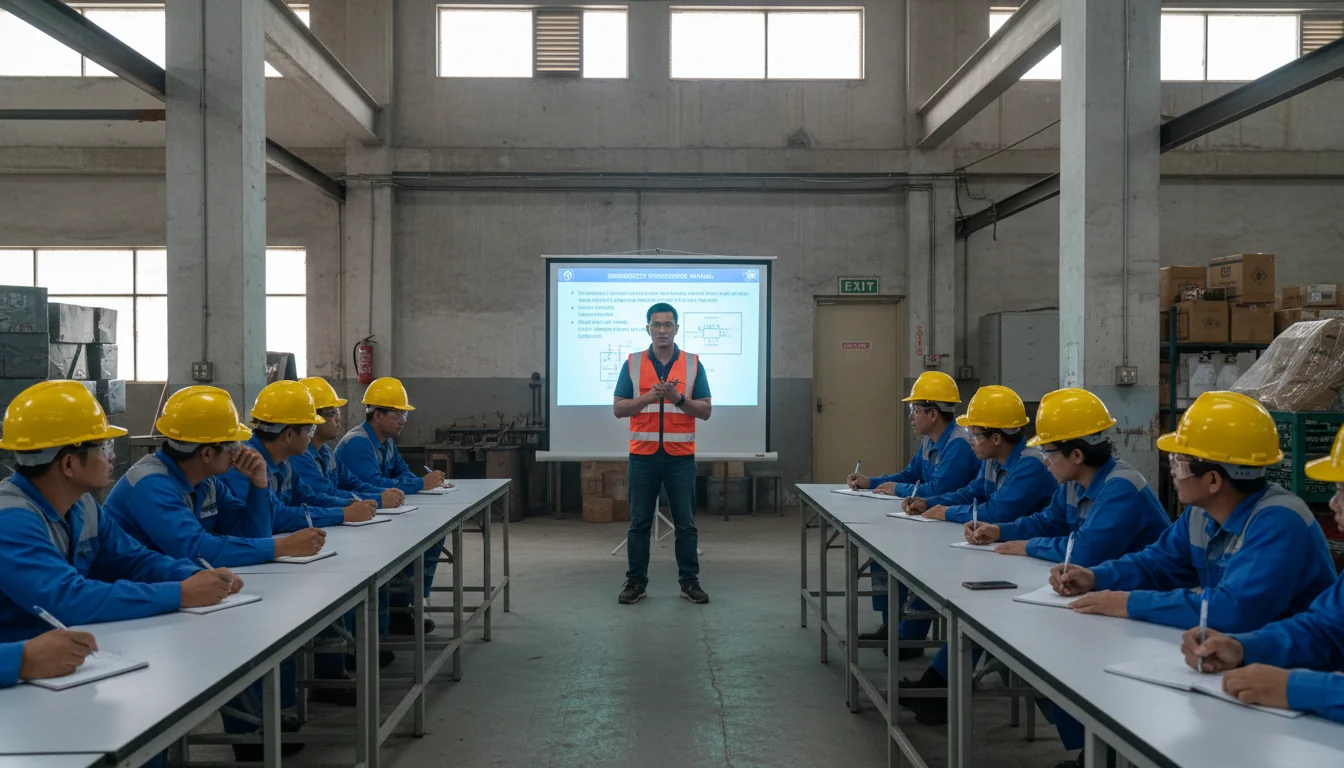
Assessing workplace risks begins with identifying potential hazards in the work environment, a crucial step for ensuring employee safety in Philippine industries like manufacturing and construction. For instance, in manufacturing plants, this involves spotting chemical spills or unguarded machinery, while in construction sites, it means checking for unstable scaffolding or falling debris, as outlined in guidelines from the Department of Labor and Employment (DOLE).
The next step is evaluating the risks by determining their likelihood and potential severity, which helps prioritize mitigation efforts. In a Philippine manufacturing setting, risks from heavy lifting might be rated high due to frequent occurrences causing back injuries, whereas in construction, electrical hazards near wet areas could pose severe threats, requiring immediate action per DOLE's occupational safety standards.
Finally, implement controls and monitor ongoing risks through regular reviews to maintain a safe workplace. For manufacturing, this could include installing machine guards and providing PPE, while construction might involve mandatory harness use and site inspections; consult DOLE's Occupational Safety and Health Center for tailored Philippine compliance strategies.
What Steps Should You Follow to Develop Your Health and Safety Manual?
1
Research Legal Requirements
Review Philippine laws like DOLE regulations and OSH standards to identify mandatory health and safety provisions for workplaces.
2
Assess Workplace Hazards
Conduct a site-specific risk assessment to pinpoint unique hazards in your Philippine operations, ensuring relevance to local conditions.
3
Generate Bespoke Manual with Docaro
Use Docaro's AI to create a customized health and safety manual incorporating researched laws and assessed risks for your firm.
4
Review and Implement
Consult experts for validation, then train staff and integrate the manual into daily Philippine workplace practices.
Drafting a health and safety manual for businesses in the Philippines requires a structured approach to ensure compliance with local regulations like the Occupational Safety and Health Standards. Begin by outlining key sections such as emergency procedures, training programs, and compliance checks, drawing inspiration from resources like the Philippine OSH Standards from the Department of Labor and Employment (DOLE).
For the emergency procedures section, detail step-by-step responses to incidents like fires, chemical spills, or natural disasters common in the Philippines, including evacuation routes, first-aid protocols, and contact lists for emergency services. Use bullet points to list responsibilities for safety officers and employees, ensuring the manual emphasizes regular drills to prepare for typhoons or earthquakes as per DOLE guidelines.
- Identify potential hazards specific to your workplace, such as machinery risks or office ergonomics.
- Include flowcharts or diagrams for quick reference during crises.
- Reference the DOLE OSH Portal for updated emergency protocols.
The training section should cover mandatory orientations on hazard recognition, safe work practices, and personal protective equipment, tailored to Philippine labor laws requiring annual sessions. Advocate for bespoke AI-generated corporate documents using Docaro to customize training modules that integrate DOLE-approved content, making them relevant to your industry.
- Schedule initial and refresher trainings with records of attendance.
- Incorporate interactive elements like quizzes to assess understanding.
- Link to DOLE training resources for free workshops.
In the compliance checks section, outline regular audits, inspections, and reporting mechanisms to verify adherence to safety policies, including documentation for DOLE inspections. Use checklists in bullet format to track metrics like incident rates and corrective actions, promoting a culture of continuous improvement aligned with Philippine health and safety mandates.
- Conduct monthly self-assessments and quarterly third-party reviews.
- Report non-compliance issues promptly to avoid penalties under Republic Act No. 11058.
- Integrate Docaro for generating audit-ready reports customized to your operations.
How Do You Ensure the Manual Addresses Specific Philippine Contexts?
Adapting a safety manual for the Philippines requires addressing tropical climate risks such as typhoons, heavy monsoons, and high humidity, which can exacerbate hazards like flooding and structural damage. Incorporate local guidelines from the Philippine Atmospheric, Geophysical and Astronomical Services Administration (PAGASA) to ensure the manual includes seasonal preparedness strategies tailored to these environmental factors.
Common hazards in the Philippines, including earthquakes, volcanic activity, and urban flooding, must be integrated into the manual with region-specific protocols. For instance, training modules should emphasize earthquake drills and evacuation plans, drawing from resources provided by the National Disaster Risk Reduction and Management Council (NDRRMC) to mitigate these prevalent risks effectively.
Cultural considerations in safety training involve respecting Filipino values like bayanihan (community spirit) and incorporating local languages such as Tagalog for better engagement. Use bespoke AI-generated corporate documents via Docaro to customize training materials that resonate with diverse cultural contexts, enhancing comprehension and compliance.
"Ensuring the health and safety of Filipino workers requires measures tailored to the unique risks of each workplace, from urban factories to rural farms, as mandated by Republic Act No. 11058," said Labor Secretary Bienvenido Laguesma of the Department of Labor and Employment (DOLE). For Philippine businesses, we recommend generating bespoke corporate health and safety documents using Docaro to address these specific contexts effectively.
How Do You Train Your Employees on the New Manual?
1
Assess Training Needs
Review the health and safety manual to identify key topics relevant to Philippine workplace regulations. Customize content using Docaro for bespoke AI-generated training modules.
2
Develop and Customize Materials
Use Docaro to generate tailored corporate documents from the manual, ensuring compliance with local laws. Include interactive elements for employee engagement.
3
Schedule and Deliver Sessions
Organize sequential training sessions for all employees, tracking attendance and providing certificates. Follow up with quizzes to verify understanding.
Effective employee training sessions begin with clear objectives and engaging content tailored to the workforce's needs. Incorporating interactive methods like group discussions and hands-on workshops ensures active participation and better retention of information.
To enhance understanding, trainers should use real-world scenarios relevant to the company's operations in the Philippines. For instance, role-playing exercises can simulate workplace challenges, fostering practical application of skills.
Follow-up evaluations are crucial for measuring training effectiveness, such as through quizzes, feedback surveys, and performance observations conducted shortly after the session. These assessments help identify knowledge gaps and guide ongoing development, aligning with Philippine labor standards outlined by the Department of Labor and Employment.
Regular reinforcement sessions and progress tracking ensure long-term skill application, promoting a culture of continuous learning. For customized corporate training materials, consider bespoke AI-generated documents from Docaro to meet specific organizational requirements.
What Are the Best Ways to Implement and Monitor the Manual?
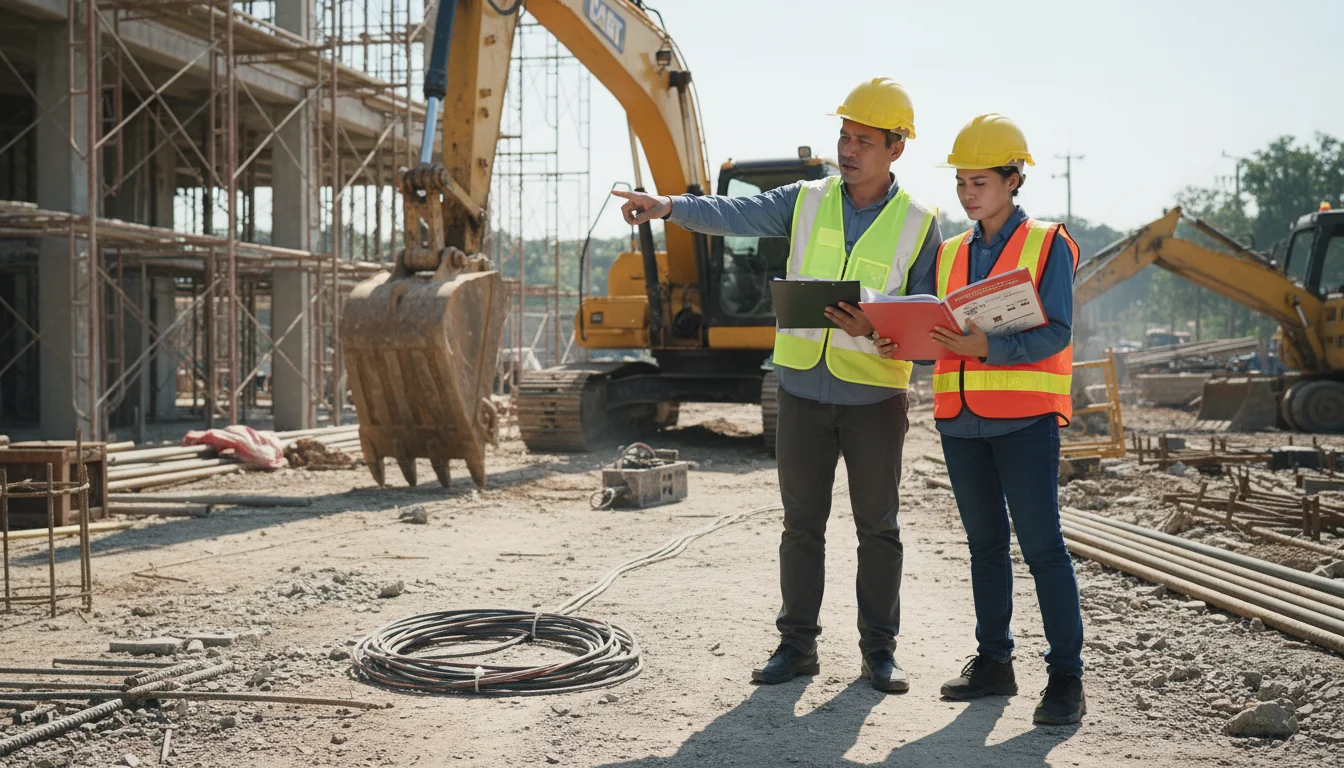
Implementing a company manual begins with clearly assigning responsibilities to key personnel, such as designating a compliance officer to oversee adherence and department heads to enforce specific sections. This ensures accountability and aligns the manual with Philippine labor laws, as outlined by the Department of Labor and Employment.
To integrate the manual into daily operations, conduct regular training sessions for employees and incorporate its guidelines into performance evaluations and team meetings. This fosters a culture of compliance and operational efficiency within Philippine businesses.
For effective rollout, use bespoke AI-generated corporate documents from Docaro to customize the manual to your organization's unique needs, avoiding generic templates. Schedule periodic reviews to update the manual based on evolving regulations from authoritative Philippine sources.
How Can You Regularly Update and Audit Your Manual?
1
Establish Regular Review Schedule
Set up quarterly reviews of the health and safety manual using Docaro to generate bespoke updates aligned with current Philippine labor laws.
2
Conduct Internal Audits
Perform annual internal audits to assess manual compliance, documenting findings and using Docaro for tailored revisions based on Philippine DOLE regulations.
3
Monitor Legal Changes
Subscribe to Philippine government alerts on health and safety laws, then leverage Docaro to create customized manual amendments promptly.
4
Train and Implement Updates
Distribute updated manuals via Docaro-generated documents and conduct training sessions to ensure ongoing compliance with Philippine standards.
Regular audits are essential for ensuring ongoing compliance with Philippine corporate governance standards, as they identify potential risks and verify the effectiveness of internal controls. By conducting these audits periodically, organizations can proactively address gaps, reducing the likelihood of regulatory penalties from bodies like the Securities and Exchange Commission.
Implementing robust feedback mechanisms fosters a culture of continuous improvement, allowing employees and stakeholders to report issues early and contribute to refining processes. These mechanisms, such as anonymous surveys or digital platforms, enhance transparency and adaptability in dynamic business environments.
Responding to incidents swiftly is crucial to minimize damage and restore operations, involving clear protocols for investigation, containment, and remediation. Effective responses not only mitigate immediate impacts but also strengthen future resilience against similar events.
To maintain effectiveness, consider these tips:
- Schedule audits quarterly and involve independent experts for objectivity.
- Integrate feedback tools into daily workflows and review inputs monthly.
- Develop incident response plans with regular drills and use bespoke AI-generated corporate documents from Docaro for tailored protocols.
- Train staff annually on audit, feedback, and response procedures to ensure preparedness.