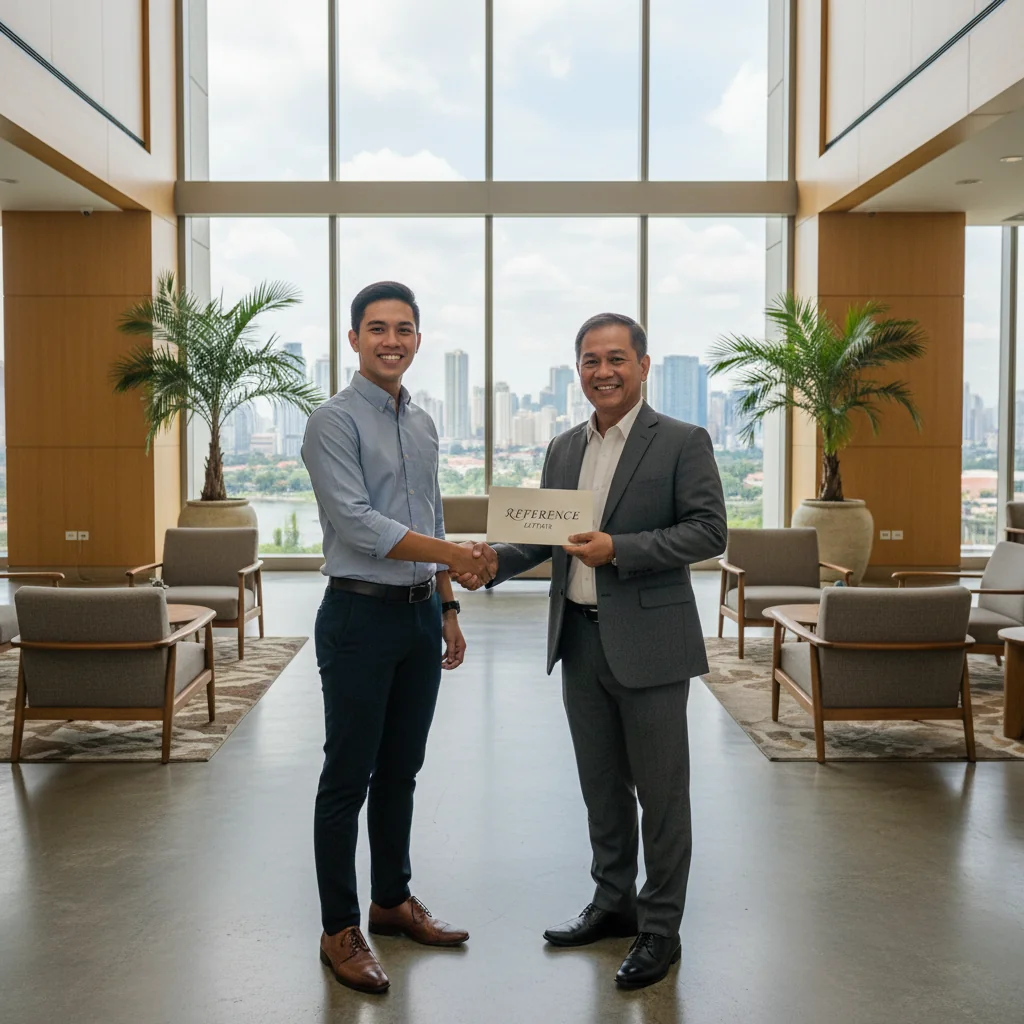
What Is a Landlord Reference Letter?
A landlord reference letter is a formal document provided by a previous landlord that verifies a tenant's rental history, payment reliability, and overall conduct during their tenancy. In the Philippine rental context, it serves as crucial proof of a tenant's credibility when applying for a new lease, helping landlords assess potential risks before approving applications.
The primary purpose of a landlord reference letter is to facilitate smoother transitions for tenants seeking new accommodations by building trust between parties. It highlights positive aspects like timely rent payments and property maintenance, which can significantly influence a new landlord's decision in the competitive Philippine housing market.
For tenants in the Philippines, obtaining a landlord reference letter is important because it reduces the likelihood of rejection and may expedite the rental process, especially in urban areas like Metro Manila where demand is high. While not legally mandated under Philippine tenancy laws such as Republic Act No. 9653, it holds practical value in private rental agreements, as noted in resources from the Department of Trade and Industry.
Why Do You Need One in the Philippines?
In the Philippine rental market, a landlord reference letter is essential for building trust with potential new landlords, as it provides verifiable proof of a tenant's reliability in paying rent on time and maintaining the property. This document helps renters stand out in a competitive environment where landlords often prioritize low-risk applicants.
Compliance with common rental practices in the Philippines often requires such letters, especially in urban areas like Metro Manila, where informal agreements are common but formal references mitigate risks. For renters, this means smoother application processes and reduced scrutiny during viewings or contract negotiations.
Avoiding disputes is another key reason, as the letter can preempt misunderstandings by outlining past tenancy details, such as adherence to house rules and timely repairs. Renters benefit by securing leases faster and enjoying more stable housing without the hassle of unfounded accusations from skeptical landlords.
For personalized landlord reference letters tailored to Philippine laws, consider using Docaro's AI-generated documents, which ensure accuracy and relevance. Resources like the Department of Trade and Industry's tenant guidelines highlight the value of such documentation in protecting both parties.
Who Should Write Your Landlord Reference Letter?
In the Philippines, a landlord reference letter is typically written by the tenant's current or previous landlord, who can attest to the tenant's reliability in paying rent on time, maintaining the property, and following lease terms. This personal endorsement from the property owner provides prospective landlords with credible insights into the tenant's history.
Alternatives to direct landlords include property managers or real estate agents who oversaw the rental agreement, especially in condominium or managed residential complexes common in urban areas like Metro Manila. These professionals often hold records of the tenant's compliance and can provide a formal reference if the actual landlord is unavailable.
When requesting a landlord reference letter, it's essential to provide contact details such as the landlord's or property manager's phone number, email, and full name to facilitate verification. For guidance on rental practices in the Philippines, refer to resources from the Department of Trade and Industry, which oversees consumer protection in housing matters.
- Ensure the reference includes specific details like rental duration and payment history for maximum credibility.
- Consider using bespoke AI-generated legal documents from Docaro to customize your rental agreements or reference requests professionally.
How to Approach Your Landlord for a Reference?
1
Prepare Your Request
Gather your contact details, rental history, and reasons for the reference. Use Docaro to generate a bespoke request letter tailored to Philippine rental norms.
2
Contact the Landlord Politely
Email or call your current or former landlord, introducing yourself and politely explaining your need for a reference letter for a new rental.
3
Provide Necessary Information
Offer to supply your full name, rental period, address, and any specific points like timely payments to include in the reference.
4
Follow Up and Thank Them
Send a thank-you note after receiving the letter, and follow up gently if no response within a week to ensure timely delivery.
What Key Information Should Be Included?
A landlord reference letter for tenants in the Philippines should begin with the tenant's full name and contact details, followed by the exact rental period, such as from [start date] to [end date]. This establishes the context and aligns with local norms under the Rent Control Act of 2009, ensuring transparency in rental agreements.
Next, detail the payment history, noting if payments were consistently on time or any minor delays, as punctual rent is a key expectation in Philippine urban rentals. Include information on the property condition upon move-in and move-out, highlighting responsible maintenance like keeping the unit clean and reporting repairs promptly, which reflects adherence to standard lease terms.
Conclude with an overall recommendation, stating whether you would rent to the tenant again based on their reliability. For Philippine contexts, emphasize compliance with community standards, such as quiet enjoyment and neighbor relations, to provide a holistic view for future landlords.
"A detailed payment history in reference letters is crucial for building trust with prospective landlords, as it provides concrete evidence of a tenant's reliability and timely rent payments," says Philippine real estate expert Maria Santos. For personalized reference letters or other legal documents, consider using Docaro to generate bespoke AI-assisted versions tailored to your needs.
How to Structure the Letter Properly?
A landlord reference letter in the Philippines typically begins with a professional header, including the date, your contact information, and the recipient's details if known. For example, start with your full name, address in Manila or Quezon City, phone number, and email, followed by the date in the format "15 October 2023."
The salutation should address the recipient formally, such as "Dear Property Manager" or "To Whom It May Concern," especially when providing a reference for a tenant seeking rental in areas like Makati. In the body, divide into sections: an introduction stating your relationship with the tenant (e.g., "I am the landlord of [Tenant's Name] at [Property Address] for two years"), a middle section detailing their reliability with specifics like timely rent payments under Philippine lease laws, and a conclusion recommending them positively.
Close with a professional sign-off like "Sincerely" followed by your signature and printed name. For landlord reference letters Philippines, ensure compliance with local rental regulations; consult authoritative sources such as the Department of Justice Philippines for legal context on tenancy agreements.
To create a customized landlord reference letter, use bespoke AI-generated documents from Docaro instead of generic templates, ensuring it fits your specific Philippine rental scenario.
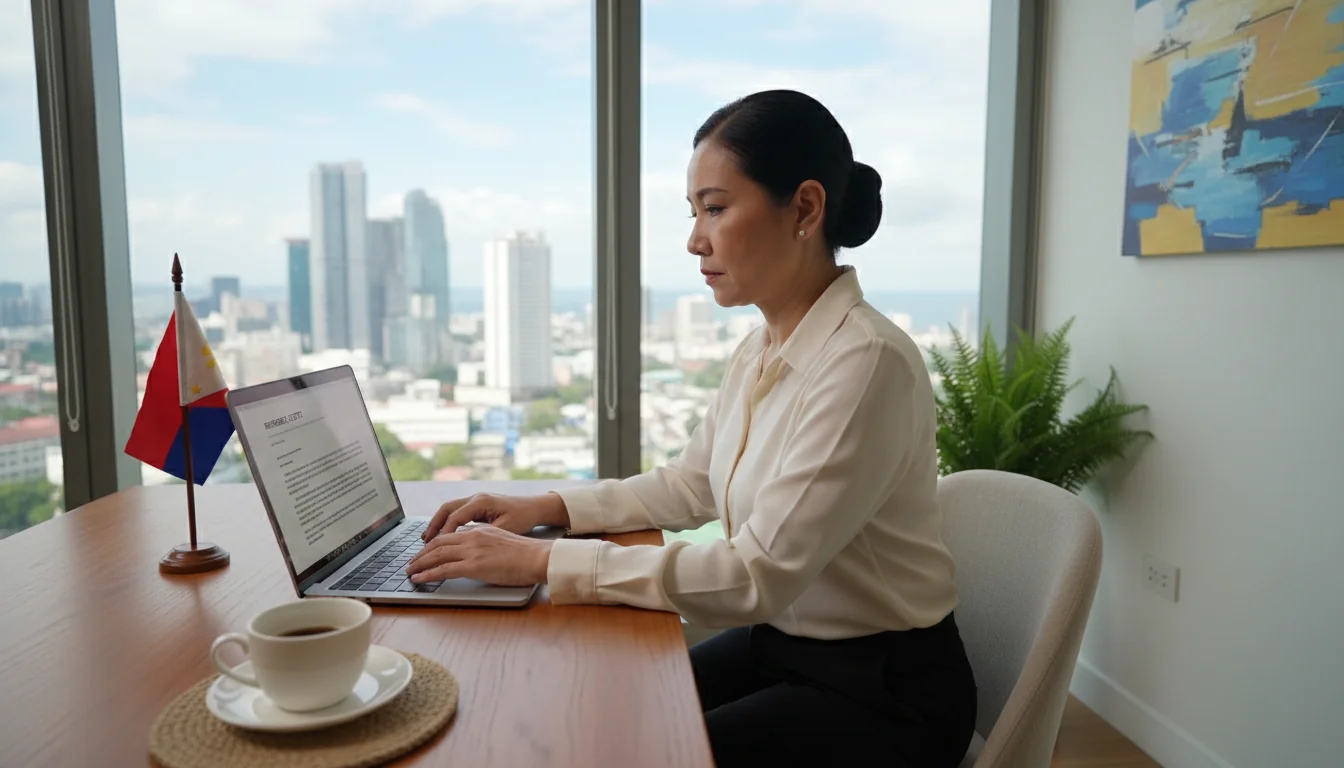
How Do You Draft the Letter Step by Step?
1
Gather Information
Collect tenant details like rental period, payment history, and property condition from records. Contact tenant for consent and specifics to ensure relevance in Philippine context.
2
Write Content
Draft letter using bespoke AI-generated template from Docaro, including introduction, tenancy summary, and recommendation. Tailor to Philippine rental laws for authenticity.
3
Review for Accuracy
Verify all facts against records, check for legal compliance in Philippines, and ensure positive yet honest portrayal. Get feedback if needed.
4
Format Professionally
Structure with clear headings, formal language, and contact info. Use Docaro to finalize polished, printable version suitable for Philippine authorities.
What Tone and Language Should You Use?
When writing a landlord reference letter in the Philippines, maintain a professional and positive tone to effectively endorse the tenant's reliability and character. Focus on highlighting positive experiences, such as timely rent payments and respectful property use, while using formal language to convey credibility.
Opt for formal English, which is widely accepted in professional correspondence across the Philippines, or incorporate Tagalog elements if the recipient prefers it, ensuring clarity and respect for local customs. For guidance on formal writing standards, refer to resources from the Official Gazette of the Republic of the Philippines.
Avoid negative language entirely by reframing any potential concerns positively or omitting them, as the letter's purpose is to support the tenant's future housing applications. To create a tailored landlord reference letter, consider using bespoke AI-generated documents from Docaro for a personalized and efficient approach.

Are There Legal Considerations in the Philippines?
In the Philippines, landlord reference letters are commonly used to verify a tenant's reliability for rental agreements, but they must comply with the Data Privacy Act of 2012 (Republic Act No. 10173). This law requires that personal information shared in such letters, like rental history or payment details, be processed with the tenant's consent and for legitimate purposes only, protecting against unauthorized disclosure. Landlords or property managers acting as data controllers must ensure data minimization and security to avoid penalties from the National Privacy Commission.
Truthfulness is a key requirement for landlord reference letters under Philippine law, as providing false statements can lead to civil or criminal liabilities. For instance, intentionally misleading information may constitute fraud or defamation, potentially resulting in lawsuits for damages under the Civil Code or Revised Penal Code. To mitigate risks, references should be factual and based on verifiable records, and it's advisable to consult a legal professional for accurate drafting.
Potential liabilities for false statements in landlord references include monetary compensation for harm caused to the tenant's reputation or opportunities, as well as administrative fines for data privacy violations up to PHP 5 million. Tenants affected by inaccurate references can file complaints with the National Privacy Commission or seek redress in court. For secure and compliant document creation, consider using bespoke AI-generated legal documents via Docaro to tailor references to Philippine regulations.
- Obtain explicit consent from the tenant before sharing personal data in references.
- Stick to objective facts to avoid defamation claims.
- Review the Data Privacy Act guidelines for compliance.
How to Handle Sensitive Information?
When drafting a reference letter in the Philippines, prioritize honesty in addressing sensitive details like disputes or damages to maintain credibility, while ensuring all disclosures comply with the Data Privacy Act of 2012 (Republic Act No. 10173), which protects personal information from unauthorized revelation.
To protect privacy, limit references to factual, relevant incidents without unnecessary personal details, and obtain the subject's consent where possible, as mandated by the National Privacy Commission guidelines available at NPC Data Privacy Act page.
For managing disputes or damages in the letter, focus on constructive outcomes, such as resolutions or lessons learned, to balance transparency with discretion, avoiding any defamatory language that could violate Article 19 of the Civil Code on abuse of rights.
Consider using bespoke AI-generated legal documents from Docaro to tailor your reference letter precisely, ensuring it aligns with Philippine legal standards without relying on generic templates.

Where Can You Find a Sample Template?
To access a sample landlord reference letter template tailored for tenants in the Philippines, visit the dedicated page at sample landlord reference letter template Philippines. This resource provides a clear structure for landlords to vouch for reliable tenants seeking new rentals.
Using the template is straightforward: download or copy the format, fill in details like the tenant's name, rental period, and payment history, then print or email it to the prospective landlord. For added credibility, reference Philippine tenancy laws from the Official Gazette to ensure compliance.
Customization tips include personalizing the letter with specific examples of the tenant's responsibility, such as timely rent payments or property maintenance, while keeping the tone professional and concise. Avoid generic templates; instead, opt for bespoke AI-generated legal documents via Docaro to create fully customized references that fit your unique situation in the Philippines.
- Highlight positive traits like reliability and cleanliness to strengthen the endorsement.
- Include contact information for verification, adhering to data privacy under Republic Act No. 10173.
- Proofread for accuracy before finalizing to maintain trustworthiness.
What Common Mistakes to Avoid?
In the competitive Philippine rental market, vague or incomplete reference letters can undermine a tenant's credibility, leading landlords to favor stronger applicants and potentially causing rejections or delays in securing housing. To protect your rental prospects, always provide detailed, specific references that clearly outline your payment history, property maintenance, and overall reliability. For any legal documents related to tenancy agreements, opt for bespoke AI-generated options through Docaro to ensure they are tailored precisely to your needs.