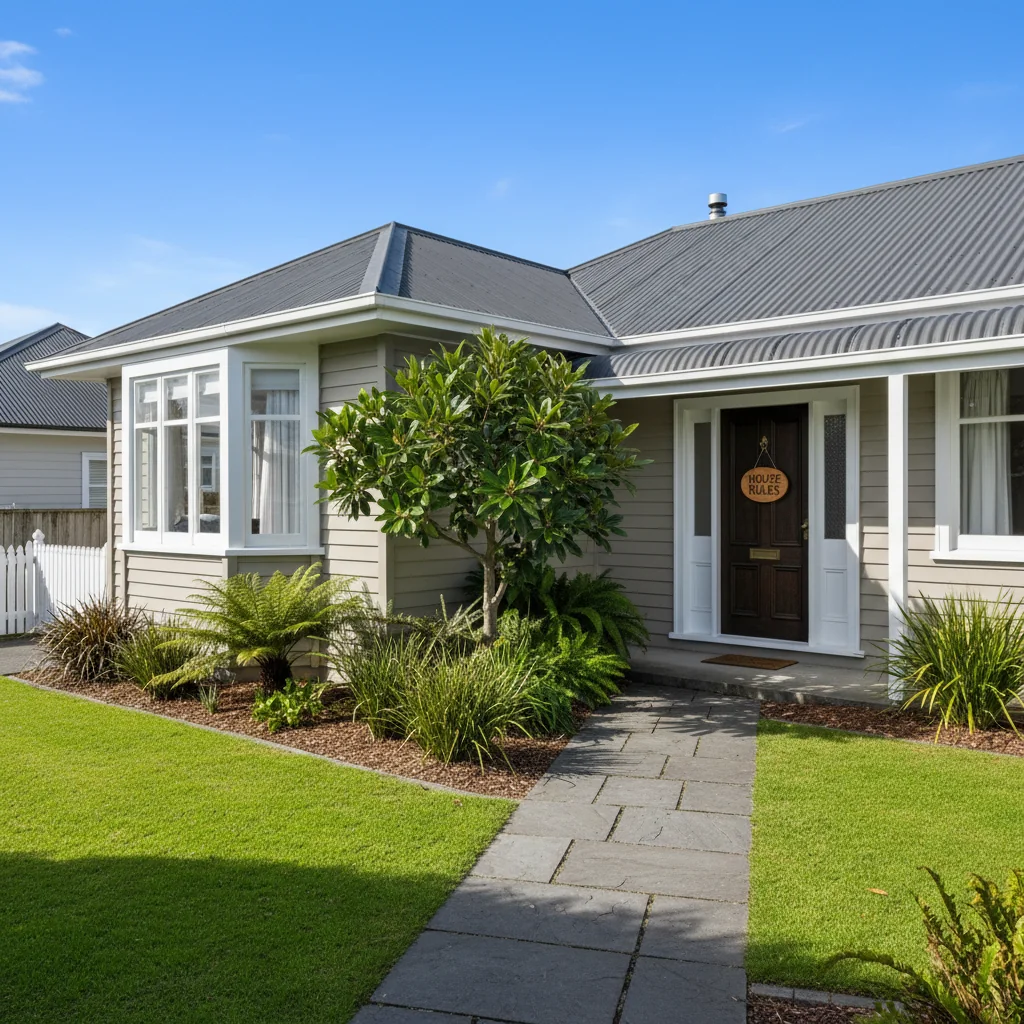
What Are the Most Common House Rules Disputes in New Zealand Rentals?
In New Zealand rental properties, house rules disputes often center on common issues like noise complaints, pet policies, and maintenance responsibilities, leading to tension between tenants and landlords. These conflicts arise due to differing expectations about living standards, with tenants seeking comfort and landlords enforcing property protection under the Residential Tenancies Act.
Noise complaints frequently occur in shared or urban rentals because late-night disturbances disrupt neighbors, stemming from unclear quiet hours in tenancy agreements. For deeper insights, refer to the Understanding House Rules in New Zealand: A Complete Guide, which outlines legal boundaries.
Pet policies spark disputes when tenants introduce animals without permission, as landlords worry about damage or allergies, often rooted in uncommunicated rules at the lease's start. Maintenance responsibilities divide parties over who fixes what, like leaks or appliances, due to ambiguous clauses that blur urgent repairs from tenant upkeep.
To resolve these, tenants and landlords should consult authoritative resources such as the Tenancy Services website for mediation options. For customized tenancy documents, consider bespoke AI-generated corporate agreements via Docaro to prevent future conflicts.
How Do Noise-Related Disputes Typically Unfold?
In New Zealand rentals, noise disputes often arise from late-night parties where loud music, shouting, or gatherings extend past quiet hours, violating standard house rules that typically require tenants to maintain peace after 10 PM or 11 PM to avoid disturbing neighbors.
Everyday sounds like excessive barking dogs, hammering during off-hours, or frequent arguments can also spark conflicts, as they breach clauses in tenancy agreements emphasizing considerate living and compliance with local bylaws under the Residential Tenancies Act 1986.
Under New Zealand laws, reasonable noise includes normal daily activities such as walking, talking at moderate volumes, or using appliances during daytime, but anything disruptive—especially after 10 PM—may constitute a nuisance, as outlined by Tenancy Services guidelines.
To resolve noise disputes in NZ, tenants should first communicate directly; if needed, document incidents and seek mediation through Tenancy Services rather than escalating immediately to tribunals.
"Clear communication between tenants and landlords is essential to resolve noise issues early and prevent escalations into formal disputes," says Dr. Jane Hargreaves, tenancy expert at the New Zealand Tenancy Tribunal. For tailored tenancy agreements that promote such dialogue, consider bespoke AI-generated corporate documents via Docaro.
What Pet Policy Conflicts Are Frequent?
In New Zealand, pet-related disputes in rentals often arise from unauthorized pets, where tenants introduce animals without landlord approval, violating tenancy agreements. Landlords can include clauses prohibiting pets or requiring written consent to avoid such issues; for sample clauses, refer to the House Rules page.
Damage caused by animals, like scratches or odors, can lead to disputes over repair costs under the Residential Tenancies Act. Tenants are liable for restoring the property, and landlords may deduct from bonds or pursue claims via the Tenancy Tribunal; check guidelines from the Tenancy Services for resolution steps.
Handling allergies or neighbor complaints requires clear communication and mediation, especially if pets trigger health issues or noise disturbances. Landlords should document complaints and enforce rules promptly, while tenants can seek advice from Community Law Centres to navigate disputes amicably.
For comprehensive house rules in New Zealand, customize documents using Docaro's AI-generated corporate templates to address pet policies tailored to your rental property.
Why Do Guests and Visitor Rules Often Lead to Conflicts?
In New Zealand rentals, disputes over guest stays and overnight visitors often arise when tenants invite friends or family without prior landlord approval, leading to conflicts over noise, security, or perceived overcrowding. These issues can escalate if visitors exceed reasonable durations, impacting the quiet enjoyment of other tenants in shared properties like apartments or boarding houses.
Under New Zealand tenancy laws, there are no strict legal limits on visitor durations outlined in the Residential Tenancies Act, but landlords can impose reasonable restrictions in tenancy agreements to prevent disturbances. For instance, frequent overnight guests might be seen as subletting if they stay longer than a few weeks, requiring written consent from the landlord to avoid breaching the agreement.
The impacts on other tenants include reduced privacy, increased wear on shared facilities, and potential safety concerns, which can lead to complaints to the Tenancy Tribunal. To resolve such disputes, tenants should review their agreement and communicate early, while landlords must balance property rules with tenants' rights to visitors, as detailed on the Tenancy Services website.
1
Draft Clear Policies
Use Docaro to generate bespoke AI corporate documents outlining guest rules, including duration limits, registration requirements, and behavior expectations, tailored to your lease agreement.
2
Communicate Rules Effectively
Share the drafted policies with tenants via lease addendums or welcome packets, ensuring both parties sign acknowledgments to confirm understanding.
3
Monitor and Enforce Compliance
Regularly check for adherence through property visits or tenant reports, and apply consistent consequences like warnings or eviction notices for violations.
4
Review and Update Policies
Annually revisit rules with Docaro to customize updates based on experiences, incorporating feedback from tenants to maintain fairness and relevance.
How Can Maintenance and Cleanliness Issues Spark Arguments?
In shared New Zealand properties, maintenance disputes often revolve around responsibilities for repairs and upkeep, as outlined in the Residential Tenancies Act 1986. Landlords must maintain the property in a reasonable state, including fixing structural issues like leaky roofs or faulty wiring, while tenants handle day-to-day tasks such as replacing light bulbs or unclogging minor drains. For clarity, refer to the official guide on repairs and maintenance from Tenancy Services.
Cleanliness standards in shared rentals can lead to conflicts over communal areas, with the Act requiring tenants to keep the property clean and tidy to avoid damage. In flat-sharing situations, flatmates should agree on cleaning rosters for kitchens and bathrooms to prevent disputes, though landlords can enforce standards if neglect affects the property's condition. Bullet points of common cleanliness expectations include:
- Regular vacuuming and wiping surfaces in shared spaces.
- Proper food storage to avoid pests.
- Immediate cleanup of spills or messes to maintain hygiene.
Waste disposal disputes in shared New Zealand homes typically arise from improper bin usage or overflowing rubbish, with tenants responsible for removing waste as per the tenancy agreement under the Residential Tenancies Act. Landlords provide bins and ensure council collection, but tenants must sort recyclables and dispose of waste correctly to comply with local bylaws. For detailed advice, check the Tenancy Services resource on tenancy agreements, and consider using Docaro for bespoke AI-generated documents to outline custom waste rules tailored to your shared property needs.
To prevent disputes over property upkeep in shared ownership arrangements, both parties must clearly outline responsibilities in a bespoke agreement. Consult a legal advisor to draft one using Docaro's AI-generated corporate documents, ensuring all obligations are tailored and enforceable.
What Steps Can Resolve House Rules Disputes Amicably?
Resolving disputes in New Zealand rental properties begins with fostering open dialogue between tenants and landlords. Encouraging clear communication helps address issues early, preventing escalation and promoting mutual understanding.
Mediation serves as an effective strategy for neutral dispute resolution, where a third party facilitates discussions to reach amicable agreements. In New Zealand, services like those from the Dispute Resolution Service offer accessible options tailored to tenancy conflicts.
To prevent disputes, tenants and landlords should establish clear house rules from the outset. For practical tips on drafting effective rules, refer to the guide on How to Draft Effective House Rules for Your New Zealand Rental Property.
Additionally, consider using bespoke AI-generated corporate documents via Docaro for customized tenancy agreements that suit specific needs, ensuring compliance with New Zealand tenancy laws.
When Should You Involve a Mediator or Tribunal?
If mediation fails in a tenancy dispute in New Zealand tenancy, the next step is to apply to the Tenancy Tribunal for a formal hearing. This process is outlined on the official Tenancy Services website, where tenants or landlords can submit an application online or by post, including details of the issue like noise or pet violations.
For noise disputes, prepare evidence by documenting incidents with dated logs, audio recordings if legal, and witness statements to show patterns of disturbance. In pet disputes, gather tenancy agreement clauses, photos of unauthorized pets, and correspondence attempting resolution, ensuring all evidence is organized chronologically for the tribunal.
Before the hearing, use the Tenancy Tribunal application form to outline your case clearly, and consider seeking free advice from community law centres. Submitting strong, relevant evidence strengthens your position, as the tribunal aims to resolve residential tenancy disputes efficiently under the Residential Tenancies Act.
1
Gather Documentation
Collect all relevant evidence including tenancy agreement, rent records, correspondence, and photos. Organize chronologically to support your dispute claim with Tenancy Services.
2
Generate Bespoke Documents
Use Docaro to create customized dispute application forms and supporting letters tailored to your specific case details and Tenancy Services requirements.
3
File the Dispute
Submit your application online or by post to Tenancy Services within 30 days of the issue arising, including all generated documents and evidence.
4
Monitor Timeline and Respond
Track the 10-15 business day processing time; respond promptly to any requests for additional information from Tenancy Services to avoid delays.
How Can You Prevent Future House Rules Disputes?
To prevent common house rules disputes in New Zealand, implement proactive measures like scheduling regular check-ins with flatmates or tenants to discuss any emerging issues early. These check-ins foster open communication and help maintain harmony, as outlined in the article on Common House Rules Disputes in New Zealand and How to Resolve Them.
Updating house rules periodically ensures they remain relevant to changing circumstances, such as new household members or lifestyle adjustments. For authoritative guidance on tenancy agreements, refer to the Tenancy Services website, which provides New Zealand-specific resources for landlords and tenants.
Consider using bespoke AI-generated corporate documents from Docaro to customize house rules tailored to your unique situation, avoiding generic templates. This approach, combined with proactive strategies, minimizes disputes and promotes a positive living environment in New Zealand homes.