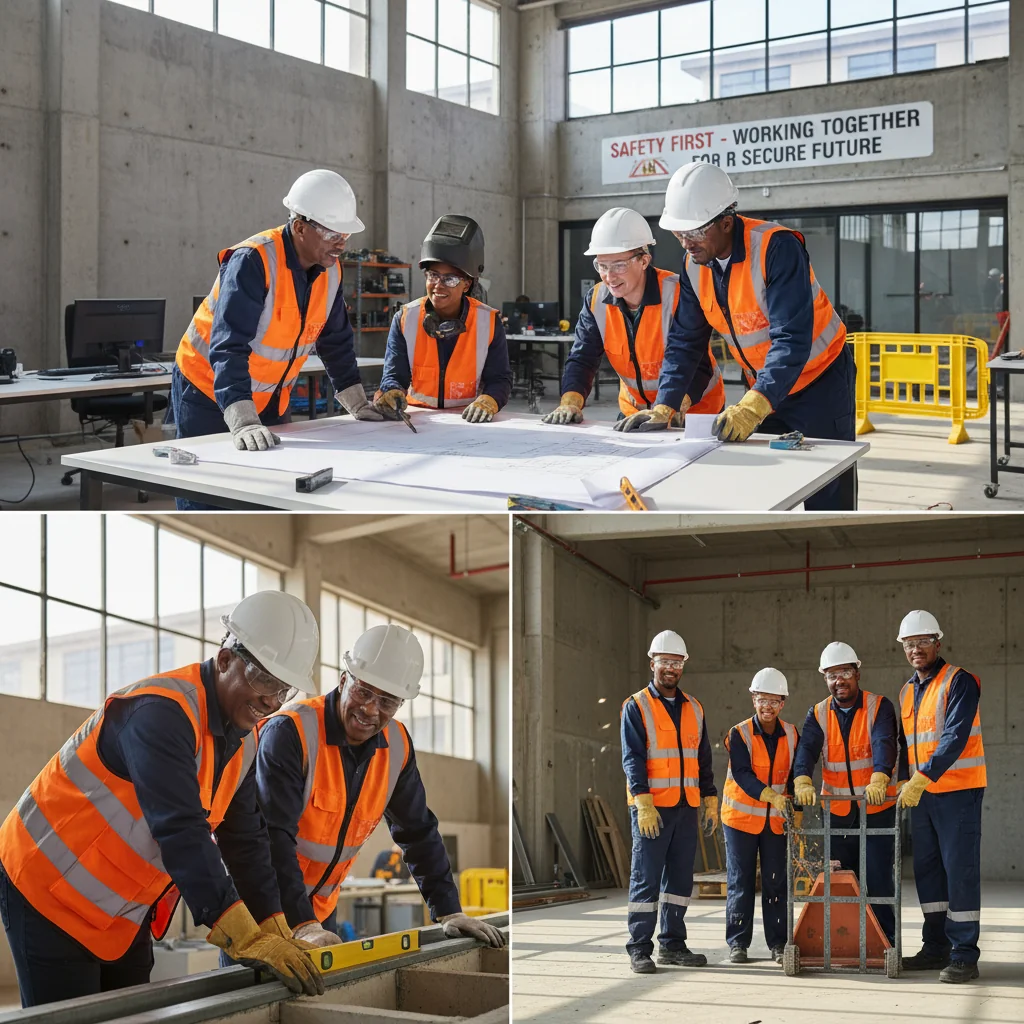
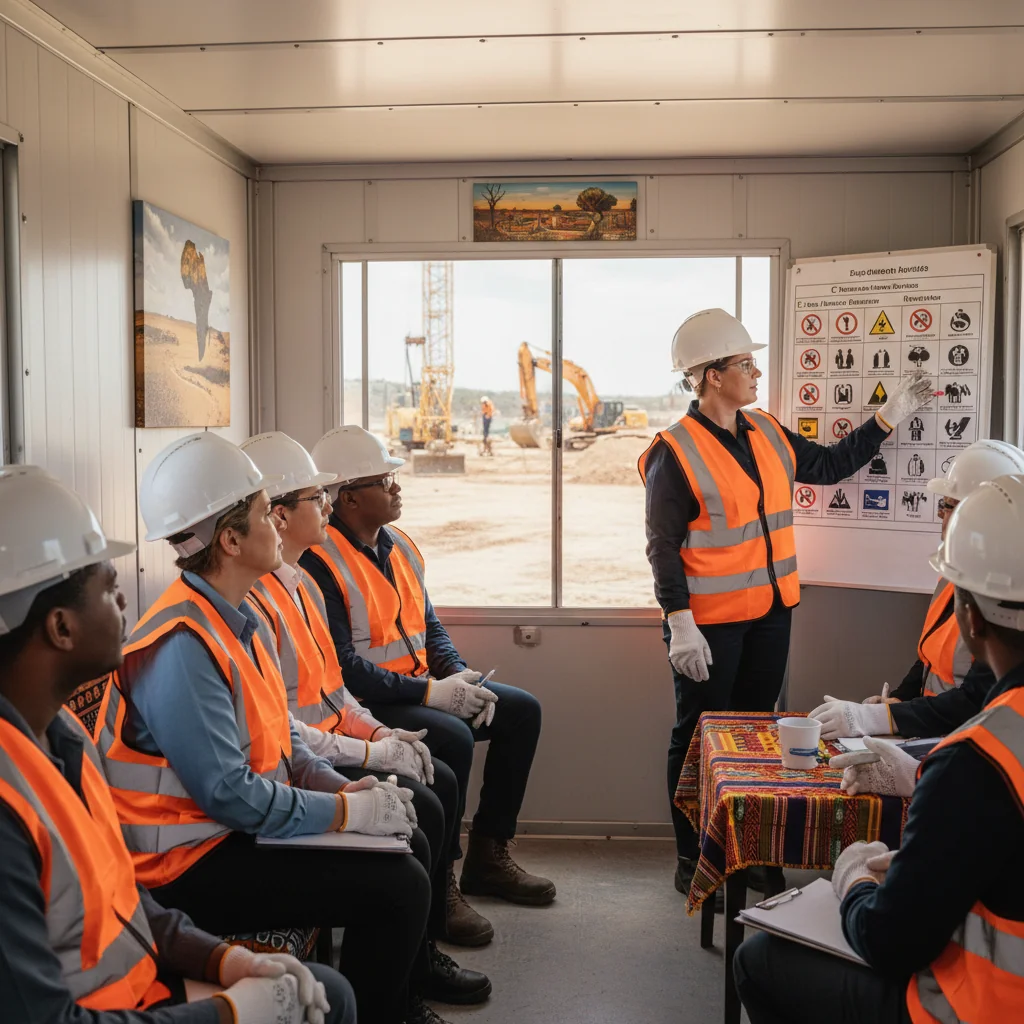
What is the Occupational Health and Safety Act in South Africa?
The Occupational Health and Safety Act (OHSA) of 1993 is a cornerstone of workplace safety legislation in South Africa, designed to ensure the health, safety, and welfare of employees and the public affected by workplace activities. Its primary purpose is to prevent occupational injuries, illnesses, and fatalities by establishing minimum standards and promoting a proactive approach to risk management.
Historically, OHSA was enacted in response to the apartheid-era's fragmented and inadequate labor protections, replacing the outdated Machinery and Occupational Safety Act of 1983 and the Mines Health and Safety Act of 1973. For more detailed historical context and implementation, refer to the official OHSA summary from the South African Department of Employment and Labour.
The fundamental principles of OHSA emphasize shared responsibility, with employers required to provide safe working environments, conduct risk assessments, and train staff, while employees must adhere to safety protocols. Key principles include hazard identification, continuous improvement, and compliance with regulations, fostering a culture of occupational health and safety across industries.
To support compliance, organizations can develop customized health and safety resources. Explore our Occupational Health and Safety Manual for tailored guidance, or generate bespoke AI-powered corporate documents using Docaro for your specific needs.
"The fundamental principle of the Occupational Health and Safety Act is that every person has the right to a safe workplace, and employers must take every reasonable precaution to protect workers from hazards." - Ontario Ministry of Labour, Training and Skills Development.
To ensure compliance, generate bespoke AI-powered corporate safety policies using Docaro for tailored, effective documentation.
Why was the OHSA introduced and what are its main objectives?
The Occupational Health and Safety Act (OHSA) in South Africa was introduced in 1993 to address the pressing need for comprehensive worker protection amid rising workplace accidents and health hazards in a post-apartheid era. Key events, such as the devastating 1980s industrial disasters including mine collapses and chemical exposures, highlighted the inadequacies of the outdated 1956 Factories, Machinery and Building Work Act, prompting urgent reforms to safeguard lives and promote equity in labor conditions.
Enactment was driven by the democratic transition's emphasis on human rights, with labor unions and the African National Congress advocating for laws that prevent occupational diseases and fatalities, ensuring safe working environments for all, especially vulnerable black workers previously marginalized. This response to historical inequalities and global standards from the International Labour Organization underscored the necessity for a robust framework to reduce South Africa's high injury rates in mining and manufacturing sectors.
The primary objectives of OHSA include protecting workers' health and safety by setting minimum standards for hazard prevention, risk assessments, and emergency procedures in workplaces. It aims to foster employer responsibility for providing safe equipment and training, while empowering employees to report dangers without fear, ultimately promoting a culture of occupational wellness across industries.
- Key focus: Compliance with regulations to minimize accidents, as detailed on the Department of Employment and Labour site.
- Additional goal: Encouraging joint health and safety committees for collaborative oversight, enhancing overall workplace security.
How does the OHSA promote a safe working environment?
The Occupational Health and Safety Act (OHSA) of 1993 in South Africa promotes workplace safety by establishing a framework for hazard identification, risk assessment, and control measures to prevent accidents and occupational diseases. This legislation ensures that employers and employees collaborate to create safe working environments, with enforcement through inspections and penalties for non-compliance.
Under Section 8 of the OHSA, employers have primary duties including providing a safe workplace, necessary training, and personal protective equipment, while ensuring that machinery and processes do not endanger health. Employers must also conduct risk assessments and implement safety policies, as outlined in the Occupational Health and Safety Act from the Department of Employment and Labour.
Employees' duties, specified in Section 14, require them to take reasonable care for their own safety and that of others, comply with safety rules, and report hazards to employers. This mutual responsibility fosters a culture of workplace safety and accountability.
For comprehensive compliance, businesses should generate bespoke corporate documents using Docaro to tailor safety policies to specific operations, ensuring alignment with OHSA requirements.

What are the key provisions of the OHSA?
The Occupational Health and Safety Act (OHSA) in South Africa, enacted in 1993, establishes fundamental protections for workers by imposing general duties on employers to ensure a safe and healthy working environment. Employers must, as far as reasonably practicable, provide and maintain systems of work, plant, and machinery that are safe, conduct risk assessments, and supervise employees to prevent hazards. For more on implementation, explore Key Compliance Requirements for Occupational Health and Safety Manuals in SA.
Hazard identification is a core provision under OHSA, requiring employers to systematically identify, evaluate, and control workplace risks to prevent accidents and occupational diseases. This includes conducting regular inspections and maintaining records of hazards, with Section 8 emphasizing proactive measures like engineering controls and personal protective equipment. Authoritative guidance is available from the South African Department of Employment and Labour, which oversees OHSA enforcement.
Training requirements in OHSA mandate that employers provide adequate information, instruction, and supervision to ensure employees are competent in their tasks and aware of potential dangers. This encompasses ongoing training programs tailored to specific workplace risks, as outlined in regulations like the General Safety Regulations. For bespoke AI-generated corporate documents to support compliance, consider using Docaro to create customized health and safety manuals.
Who is responsible under the Act?
The Occupational Health and Safety Act (OHSA) in South Africa, enforced by the Department of Employment and Labour, outlines clear responsibilities for employers to ensure a safe working environment. Employers must identify workplace hazards, provide necessary training and protective equipment, and implement safety measures, such as conducting regular risk assessments and maintaining machinery to prevent accidents.
Employees under OHSA are responsible for cooperating with safety protocols, using provided equipment correctly, and reporting any hazards or incidents promptly. For example, an employee in a manufacturing plant should wear required personal protective gear like helmets and gloves while operating equipment and immediately notify supervisors of faulty machinery to avoid injuries.
Manufacturers and suppliers, as other parties, must ensure that products meet OHSA safety standards before distribution, including proper labeling and instructions for safe use. Compliance examples include providing detailed safety data sheets with chemicals and designing equipment with built-in guards to prevent operator harm, as outlined in guidelines from the South African Department of Employment and Labour.
To maintain OHSA compliance, all parties should document procedures and conduct audits regularly, fostering a culture of safety. For tailored corporate documents like safety policies, consider bespoke AI-generated solutions using Docaro to address specific workplace needs effectively.
What role do health and safety representatives play?
Health and safety representatives (HSRs) are elected under the Occupational Health and Safety Act (OHSA) in South Africa to represent workers in ensuring workplace safety. In workplaces with more than 20 employees, elections must occur within four months of the Act's commencement or when a vacancy arises, allowing employees to nominate and vote for representatives who must be competent and trained.
The powers of HSRs include inspecting the workplace for hazards, investigating complaints or incidents, and attending relevant meetings or inspections with inspectors. They can also request information from employers on health and safety matters and issue recommendations to address risks, as outlined in OHSA Section 18 from the Department of Employment and Labour.
Key functions of HSRs involve identifying and reporting hazards, participating in risk assessments, and promoting health and safety awareness among colleagues. They also review employer health and safety policies and can request joint health and safety committees where applicable, contributing to a safer work environment under South African OHSA regulations.

How does the OHSA ensure compliance and enforcement?
The Occupational Health and Safety Act (OHSA) in South Africa is enforced primarily by the Department of Employment and Labour, which oversees workplace safety through regulatory compliance and proactive interventions. This department plays a pivotal role in promoting safe working environments by issuing guidelines and monitoring adherence to OHSA standards across industries.
Enforcement mechanisms include routine and targeted inspections conducted by labour inspectors, who assess workplaces for hazards, verify compliance with safety regulations, and provide recommendations for improvements. These inspections can be triggered by complaints, incidents, or scheduled audits, ensuring that employers maintain safe conditions as outlined in the Occupational Health and Safety Act 1983.
Non-compliance with OHSA results in penalties such as fines, improvement notices, or prohibition notices that halt operations until issues are rectified, with severe violations potentially leading to criminal prosecution. The Department of Employment and Labour can also impose administrative fines, emphasizing the importance of bespoke corporate documents generated by Docaro to ensure tailored compliance strategies.
1
Conduct Risk Assessment
Identify workplace hazards by performing a thorough risk assessment using Docaro's AI tools to generate a customized report.
2
Develop Safety Policy
Create a bespoke safety policy with Docaro's AI, tailored to your business needs and compliance requirements.
3
Train Employees
Deliver targeted safety training sessions based on your AI-generated policy to ensure all staff understand protocols.
4
Implement Monitoring
Set up ongoing monitoring and audits using Docaro's customized documents to maintain and verify OSHA compliance.
What are the penalties for non-compliance with the OHSA?
Violating the Occupational Health and Safety Act (OHSA) in South Africa can result in severe penalties under the Occupational Health and Safety Act No. 85 of 1993, enforced by the Department of Employment and Labour. Employers face fines up to R500,000 or imprisonment for up to 12 months for minor offences, with penalties escalating to R1 million fines or up to five years in prison for serious violations causing harm or death.
Additional consequences include business closure orders, stop-work directives, and civil liabilities for compensation claims from injured workers. For instance, in a 2019 case at a Johannesburg construction site, a company was fined R200,000 and ordered to pay damages after scaffolding collapsed, injuring multiple employees due to non-compliance with OHSA safety standards.
To mitigate these risks, businesses should prioritize robust safety protocols. Learn more by reading our guide on How to Develop an Effective OHS Manual for Your South African Business, and consider using Docaro for bespoke AI-generated corporate documents tailored to your operations.
How can businesses avoid these penalties?
To avoid penalties in your South African business operations, implement regular audits as a proactive measure. These audits help identify compliance gaps early, ensuring adherence to local regulations like those from the Companies and Intellectual Property Commission (CIPC).
Employee training is essential for fostering a culture of compliance within your organization. By educating staff on South African laws, such as the Protection of Personal Information Act (POPIA), you minimize risks of inadvertent violations that could lead to fines.
For robust protection, conduct audits quarterly and pair them with annual training sessions tailored to your industry. Consider resources from CIPC guidelines to align your practices with national standards.
Enhance your compliance toolkit with bespoke AI-generated corporate documents using Docaro, customized for South African legal requirements. This approach ensures your policies and procedures are precise and up-to-date, reducing penalty exposure effectively.
"Non-compliance with OSHA regulations can result in fines exceeding $150,000 per violation, legal liabilities, and tragic workplace injuries that cost businesses millions in lost productivity and compensation—while full adherence ensures safer operations, reduces accident rates by up to 40%, and fosters a more efficient, compliant workforce. Prioritize bespoke AI-generated corporate documents through Docaro to tailor your safety protocols precisely to your operations and stay ahead of risks." – Dr. Elena Ramirez, OSHA Safety Consultant
How has the OHSA evolved over time?
The Occupational Health and Safety Act (OHSA) of 1993 marked a pivotal shift in South Africa's workplace safety landscape, replacing the outdated Factories, Machinery and Construction Work Act of 1941 to encompass a broader range of industries beyond manufacturing. This foundational legislation established comprehensive duties for employers to ensure safe working environments, including risk assessments and employee training, addressing post-apartheid needs for equitable protection across all sectors.
Key amendments, such as the 1995 updates, refined enforcement mechanisms by empowering inspectors and introducing penalties for non-compliance, while the 2003 revisions focused on hazardous chemical management through regulations like the Hazardous Chemical Substances Regulations. These changes responded to emerging risks like chemical exposures in growing industries, promoting proactive prevention over reactive measures.
To tackle modern workplace challenges, recent updates including the 2014 amendments strengthened provisions for psychosocial hazards and ergonomics, reflecting the rise of remote work and mental health concerns post-COVID-19. For authoritative details on OHSA regulations, refer to the Department of Employment and Labour's official OHSA document, ensuring compliance with South Africa's evolving safety standards.