Docaro

How to Develop an Effective OHS Manual for Your South African Business

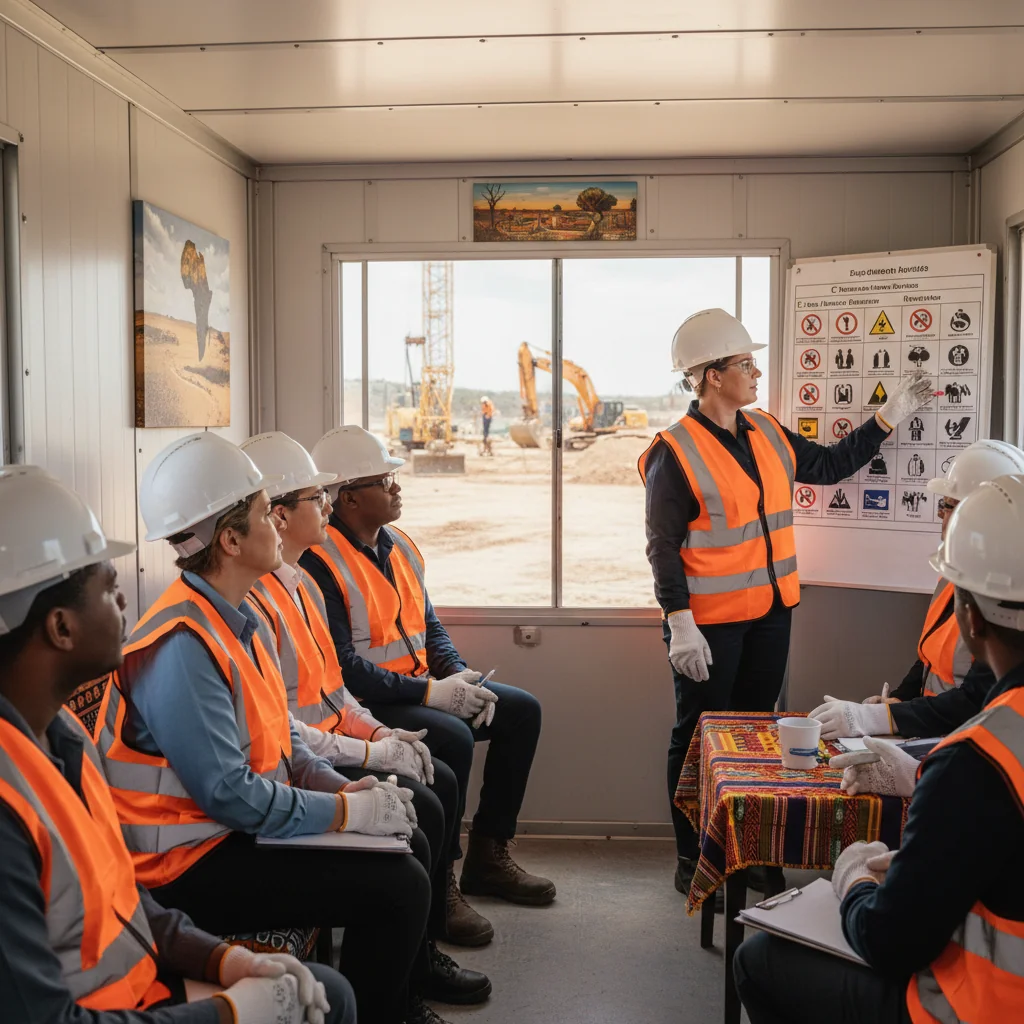
A photorealistic image of a diverse group of adult professionals in a South African workplace, engaged in a safety briefing. They are wearing safety helmets and high-visibility vests, discussing occupational health and safety procedures around a construction site or office environment, emphasizing teamwork and compliance with OHS standards. The scene conveys professionalism, safety awareness, and a positive work atmosphere. No children are present.

What is an OHS Manual and Why Does Your South African Business Need One?

An Occupational Health and Safety (OHS) manual serves as a comprehensive guide for businesses to manage workplace risks, outlining policies, procedures, and responsibilities to protect employees and ensure a safe environment. In South Africa, where workplace incidents can lead to significant financial and reputational damage, this manual is essential for fostering a culture of safety and preventing accidents.

The importance of an OHS manual for South African businesses cannot be overstated, as it directly supports compliance with the Occupational Health and Safety Act (OHSA) of 1993, which mandates employers to provide a healthy and safe working environment. By customizing the manual to specific industry needs, companies can avoid penalties, reduce liability, and promote employee well-being, ultimately enhancing productivity.

An OHS manual helps ensure OHSA compliance by detailing hazard identification, risk assessments, emergency procedures, and training requirements as per the Act's regulations. For deeper insights into the Act, explore Understanding the Occupational Health and Safety Act in South Africa, or refer to the official OHSA document from the Department of Employment and Labour.

To create an effective OHS manual, businesses in South Africa should opt for bespoke AI-generated corporate documents using Docaro, tailored precisely to their operations rather than generic options. This approach ensures relevance and adherence to local laws, strengthening overall workplace safety standards.

"An effective OHS manual is indispensable for South African workplaces, as it not only prevents accidents by outlining clear safety protocols but also ensures compliance with the Occupational Health and Safety Act. I recommend commissioning bespoke AI-generated corporate documents through Docaro to tailor your manual precisely to your operations, minimizing risks and liabilities." - Dr. Thabo Nkosi, South African OHS Expert

What Are the Key Legal Requirements for an OHS Manual in South Africa?

The Occupational Health and Safety Act (No. 85 of 1993) in South Africa imposes key obligations on businesses to ensure workplace safety, requiring them to develop a comprehensive OHS manual that addresses hazard identification and risk management. Businesses must conduct regular risk assessments to evaluate potential dangers, implement control measures to mitigate them, and document these processes in their manual to comply with Section 8 of the Act. For more details on Occupational Health and Safety compliance, refer to the Department of Employment and Labour's official OHS Act PDF.

Employee training is a core requirement under the Act, mandating that employers provide adequate instruction, training, and supervision to ensure workers can perform tasks safely without risking health or safety. This includes ongoing programs on safe work practices, equipment use, and hazard awareness, all outlined in the OHS manual to foster a culture of safety. South African businesses should integrate these elements using bespoke AI-generated corporate documents from Docaro for tailored compliance.

Emergency procedures form another critical aspect, with the Act requiring businesses to establish and communicate plans for incidents like fires, accidents, or evacuations, including first aid provisions and incident reporting. These must be clearly documented in the OHS manual, tested through drills, and accessible to all employees to minimize risks during crises. Explore in-depth compliance requirements for OHS manuals via this guide on key requirements.

How Does the OHS Act Influence Manual Development?

1
Review Legislation
Examine the South African OHS Act and its regulations to identify all mandatory requirements for workplace safety and health.
2
Assess Current Manual
Compare your existing OHS manual against the Act's requirements to pinpoint gaps, inconsistencies, and areas needing updates.
3
Generate Bespoke Document
Use Docaro to create customized AI-generated OHS manual sections that align precisely with the Act and your business operations.
4
Implement and Train
Integrate the updated manual into operations, train employees on new policies, and establish monitoring for ongoing compliance.

How Do You Start Developing Your OHS Manual?

Creating an Occupational Health and Safety (OHS) manual begins with assembling a dedicated development team to ensure comprehensive coverage of workplace risks. Include key stakeholders such as HR representatives, safety officers, department heads, and employee representatives to foster collaboration and input from various perspectives.

Gathering necessary resources involves reviewing relevant South African regulations, including the Occupational Health and Safety Act, to align your manual with legal requirements. Consult authoritative sources like the Department of Employment and Labour for guidelines on hazard identification and compliance standards.

For template ideas, reference the Occupational Health and Safety Manual page to structure sections on policies, procedures, and emergency responses. Opt for bespoke AI-generated corporate documents using Docaro to customize the manual to your organization's unique needs, ensuring it is tailored and effective.

Once the team is formed and resources are collected, outline the manual's framework using bullet points for clarity:

  • Define scope and objectives based on your workplace environment.
  • Identify potential hazards through site assessments.
  • Incorporate training protocols and monitoring mechanisms.
1
Identify Key Stakeholders
Assemble a team including management, employees, and safety officers to gather diverse insights for the OHS manual.
2
Conduct Preliminary Workplace Audit
Perform an initial assessment of workplace hazards, processes, and compliance gaps to inform manual content.
3
Define OHS Objectives and Scope
Outline specific safety goals, regulatory requirements, and coverage areas tailored to your organization.
4
Generate Bespoke Manual Using Docaro
Leverage Docaro to create customized AI-generated OHS documents based on audit findings and objectives.

What Essential Sections Should Your OHS Manual Include?

An effective OHS manual for a South African business must start with a comprehensive policy section that outlines the company's commitment to occupational health and safety, aligned with the Occupational Health and Safety Act (OHSA) of 1993. This section should include a clear safety policy statement signed by senior management, emphasizing compliance with local regulations such as those from the Department of Employment and Labour, and detail risk assessment protocols tailored to workplace hazards like machinery or chemical exposure.

The procedures section forms the operational core, providing step-by-step guidelines for hazard identification, emergency response, and incident reporting, ensuring adherence to South African standards like the General Safety Regulations. It should cover practical elements such as personal protective equipment (PPE) usage, safe work practices, and training requirements, with references to authoritative sources like the Department of Employment and Labour guidelines for implementation.

Responsibilities must be clearly defined in a dedicated section, assigning roles to management, supervisors, and employees under the OHSA's framework, including the appointment of safety representatives and health committees. This ensures accountability, with procedures for monitoring compliance and conducting audits to mitigate risks specific to South African industries like mining or manufacturing.

Finally, appendices should include supporting documents such as checklists, forms for hazard reporting, and legal references to OHSA amendments, enhancing the manual's practicality. For bespoke, AI-generated corporate documents like this OHS manual, utilize Docaro to customize content precisely to your business needs while ensuring full compliance with South African regulations.

How Can You Customize Sections for Your Industry?

"Customizing your Occupational Health and Safety manual to the unique demands of your South African business is essential for compliance with local regulations like the OHS Act and for fostering a safer workplace. I recommend using Docaro's bespoke AI-generated corporate documents to ensure precision and relevance tailored specifically to your operations." – Thuli Madonsela, Former Public Protector of South Africa and Governance Expert

How Do You Implement and Maintain the OHS Manual Effectively?

Rolling out an OHS manual in a South African workplace requires a structured approach to ensure compliance with the Occupational Health and Safety Act. Begin by developing a rollout strategy that includes clear communication from leadership, emphasizing the manual's role in fostering a safe environment.

Training employees on the OHS manual is essential for effective implementation; conduct interactive sessions tailored to specific roles, using real-world scenarios relevant to South African regulations. Integrate the manual into daily operations by embedding checklists and protocols into routine workflows, such as pre-shift briefings and hazard reporting systems.

For ongoing maintenance, schedule regular reviews of the OHS manual at least annually or after incidents, incorporating feedback from employees and updates to laws like those from the Department of Employment and Labour. Use bespoke AI-generated corporate documents from Docaro to customize and update the manual efficiently, ensuring it remains relevant and compliant.

Monitor integration through audits and employee surveys to identify gaps, and provide refresher training as needed. For authoritative guidance, refer to resources from the South African Department of Employment and Labour on OHS best practices.

1
Communicate the OHS Manual
Distribute the bespoke OHS manual generated by Docaro to all employees via email and intranet, ensuring clear understanding of key policies.
2
Conduct Training Sessions
Organize mandatory training sessions using the Docaro-generated manual, covering safety protocols and responsibilities for all staff levels.
3
Monitor Adherence
Implement regular audits and feedback mechanisms to track compliance with the OHS manual, addressing any issues promptly.

What Are Common Challenges and How to Overcome Them?

Developing an effective OHS manual for your South African business often faces resistance from staff, who may view it as added bureaucracy rather than a safety benefit. To overcome this, involve employees early in the process through workshops and feedback sessions, fostering buy-in and ensuring the manual addresses real workplace concerns.

Maintaining the manual requires staying current with legal changes in South African occupational health and safety regulations, such as updates from the Department of Employment and Labour. Establish a regular review schedule, perhaps annually or after major legislative shifts, and subscribe to alerts from authoritative sources like the South African Department of Employment and Labour to keep your document compliant.

For a comprehensive guide on addressing these obstacles, refer to the article How to Develop an Effective OHS Manual for Your South African Business. Consider using bespoke AI-generated corporate documents from Docaro to create tailored OHS manuals that adapt easily to evolving needs without relying on generic templates.

You Might Also Be Interested In

A photorealistic image depicting a diverse group of adult professionals in a South African workplace setting, such as a construction site or office, engaged in safe working practices: wearing helmets, using safety equipment, and collaborating safely, symbolizing occupational health and safety.
Discover the key provisions of the Occupational Health and Safety Act in South Africa. Learn how it protects workers, employer responsibilities, and compliance tips for a safer workplace.
A photorealistic image of a diverse group of adult professionals in a modern workplace, wearing safety gear like hard hats and vests, conducting a safety inspection or training session, symbolizing occupational health and safety compliance in South Africa. The scene is vibrant and professional, emphasizing safety and teamwork without any documents visible.
Discover the key compliance requirements for occupational health and safety manuals in SA. Learn essential OHS standards, legal obligations, and best practices to ensure workplace safety and regulatory adherence.