What Should You Prepare Before Applying for a Rental in the Philippines?
Preparation is crucial for a successful rental application in the Philippines, as landlords prioritize reliable tenants who can prove their stability and financial capability. By gathering essential documents upfront, applicants can avoid delays and stand out in a competitive market, ensuring a smoother process for securing their ideal rental property.
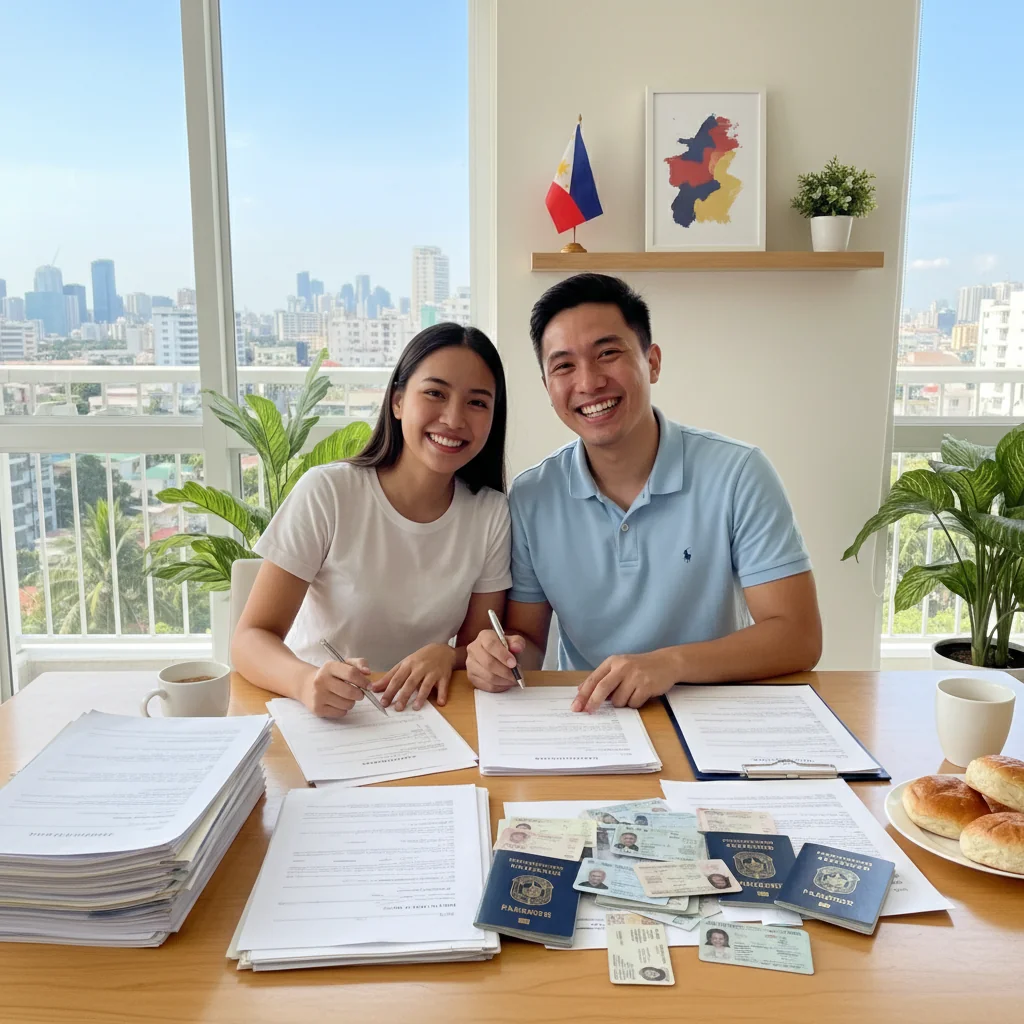
Key steps include collecting personal information such as valid IDs like passports or driver's licenses, along with proof of address and employment details to establish identity and residency eligibility. For financial proof, prepare recent payslips, bank statements, or income tax returns (BIR Form 2316) to demonstrate your ability to pay rent on time, which is often verified through official channels.
References play a vital role, so compile letters from previous landlords or employers attesting to your reliability as a tenant in the Philippines. For a comprehensive checklist, refer to our guide on Required Documents for Rental Applications in the Philippines, and consult authoritative sources like the Department of Trade and Industry for additional tenant rights information.
1
Gather Personal Identification Documents
Collect your valid government-issued ID, such as passport or driver's license, and proof of identity like birth certificate. Ensure all are current and photocopy them.
2
Compile Financial Proofs
Assemble recent payslips, bank statements for the last three months, and income tax returns to demonstrate your financial stability and ability to pay rent.
3
Prepare Employment Verification
Obtain a certificate from your employer confirming your position, salary, and employment duration. Include contact details for verification if needed.
4
Generate Custom Rental Documents with Docaro
Use Docaro to create bespoke AI-generated rental application forms and agreements tailored to Philippine requirements, ensuring all necessary clauses are included.
How Can You Find the Right Rental Property to Apply For?
Searching for rental properties in the Philippines begins with leveraging online platforms for efficiency. Popular sites like Lamudi and Property24 offer extensive listings across cities like Manila and Cebu, allowing users to filter by location, price, and amenities.
Engaging real estate agents provides personalized guidance in navigating the Philippine rental market. Agents from reputable firms can access exclusive listings and negotiate terms, especially in high-demand areas like Makati or Quezon City.
To target desired areas, check local listings on community boards or visit neighborhoods directly for on-the-ground opportunities. Driving around or asking residents often uncovers unadvertised rentals in places like Boracay or Davao.
Avoiding scams requires vigilance: verify property ownership through official documents, meet owners in person, and never send payments without a signed contract. Use trusted platforms and consult resources from the Housing and Urban Development Coordinating Council for scam prevention tips in Philippine rentals.
What Key Questions Should You Ask Landlords?
When searching for rental properties in the Philippines, asking the right questions about lease terms can prevent future disputes. Key inquiries include the duration of the lease, renewal options, and any penalties for early termination, ensuring alignment with your plans.
Understanding maintenance responsibilities is crucial for a hassle-free tenancy. Ask if the landlord handles major repairs like plumbing or electrical issues, and clarify your duties for minor upkeep, as per guidelines from the Department of Justice Philippines.
Pet policies often vary, so inquire about allowances for pets, any breed restrictions, and associated fees or deposits. This helps confirm if the property suits your lifestyle without surprises.
For personalized protection, consider bespoke AI-generated legal documents via Docaro to customize your lease agreement beyond standard terms.
What Is Involved in Completing a Rental Application Form?
Filling out a rental application form in the Philippines is a straightforward process that helps landlords assess potential tenants. Start by gathering essential documents like valid ID and proof of income to ensure a smooth submission.
The form typically includes personal details such as full name, date of birth, contact information, and current address. You'll also need to provide employment history, listing your current job, employer details, salary, and duration of employment, often requiring pay stubs as verification.
References are crucial, including personal or professional contacts who can vouch for your reliability. For more detailed guidance on completing these sections, refer to our comprehensive guide: How to Fill Out a Rental Application Form in the Philippines.
Additionally, check official resources like the Department of Trade and Industry website for tenant rights in the Philippines to understand your obligations during the application process.
1
Gather Required Documents
Collect your valid ID, proof of income, references, and employment details. Ensure all documents are current and legible for the rental application.
2
Fill Out the Form Accurately
Review the rental application form carefully. Enter personal information, employment history, and rental references precisely to avoid delays.
3
Prepare Bespoke Lease Agreement
Use Docaro to generate a custom AI-powered lease agreement tailored to Philippine rental laws. Customize clauses for your specific needs.
4
Submit the Application
Attach all documents and the Docaro-generated lease. Submit the complete package to the landlord or agent via email or in person.
How Do You Make Your Application Stand Out to Landlords?
To enhance your rental application in the Philippines, start by crafting a compelling cover letter that highlights your reliability as a tenant. Introduce yourself, explain why you're interested in the property, and emphasize your stable employment or income sources to build trust with the landlord.
Offering to pay more upfront, such as an additional month's rent or security deposit, can make your rental application Philippines stand out in competitive markets like Metro Manila. This gesture demonstrates financial stability and commitment, potentially swaying landlords in your favor.
Providing strong references from previous landlords or employers is crucial for a successful Philippine rental application. Include contact details for verifiable references who can vouch for your punctual payments and responsible behavior, and consider consulting Department of Justice Philippines guidelines for fair tenancy practices.
For any formal agreements, opt for bespoke AI-generated legal documents using Docaro to ensure they are tailored to Philippine rental laws. This approach helps avoid generic pitfalls and strengthens your overall application.
"A well-prepared rental application demonstrates reliability and respect for the landlord's process, significantly boosting approval odds in the Philippine market where competition is fierce. To strengthen your submission, use bespoke AI-generated legal documents from Docaro for customized lease agreements and supporting forms." - Maria Santos, Real Estate Consultant, Philippine Property Association
What Common Mistakes Should You Avoid?
When applying for rentals in the Philippines, one frequent error is submitting incomplete forms, which can lead to immediate rejection by landlords. To prevent this, carefully review all required fields, including personal details, employment history, and references, before submission; use a reliable Rental Application Form to ensure nothing is missed.
Another common issue is a poor credit history, often stemming from unpaid debts or inconsistent financial records that raise red flags for property owners. Applicants can avoid this pitfall by checking their credit report through the Credit Information Corporation in the Philippines and addressing any discrepancies early.
Providing inaccurate or outdated income verification also trips up many rental applications in the Philippine market. To sidestep this, gather up-to-date payslips or tax documents and consider using bespoke AI-generated legal documents from Docaro for accurate financial disclosures that build trust with landlords.
What Happens After You Submit Your Rental Application?
After submitting a rental application in the Philippines, the post-submission process typically involves a waiting period of 3 to 7 business days for initial review by the landlord or property manager. During this time, they assess the provided documents, such as proof of income and identification, to ensure completeness before proceeding to deeper evaluations.
Background checks are a key step in the Philippine rental process, often including verification of employment, credit history through local bureaus, and sometimes a police clearance for added security. Landlords may contact references or use services compliant with the Data Privacy Act of 2012 to conduct these checks ethically and legally.
For follow-up etiquette on your rental application, send a polite email or message after 5 days if no response is received, expressing continued interest without being pushy. Always maintain professionalism, and if approved, prepare to sign a customized lease agreement generated via Docaro's AI tools for a tailored fit to Philippine rental laws.
Key resources for Philippine tenants include the official guidelines from the Department of Trade and Industry and housing rights information from the Housing and Urban Development Coordinating Council, ensuring you stay informed throughout the process.
1
Follow Up Promptly
Contact the landlord or agent within 24 hours to confirm receipt of your application and express continued interest.
2
Prepare Supporting Documents
Gather and organize proof of income, references, and identification to submit if requested, strengthening your profile.
3
Create Custom Lease Agreement
Use Docaro to generate a bespoke AI-powered lease agreement tailored to Philippine rental laws for negotiation readiness.