What Is a Rental Application Form in the Philippines?
A rental application form in the context of residential tenancy in the Philippines is a standardized document used by prospective tenants to apply for a lease on a property. It collects essential personal and financial details to help evaluate suitability for tenancy under Philippine laws like Republic Act No. 9653, the Rent Control Act.
The primary purpose of the rental application form is to enable landlords or property managers to screen applicants, ensuring they select reliable tenants who can fulfill lease obligations. This process helps prevent issues such as non-payment of rent or property damage by verifying information upfront.
Common uses by landlords or property managers in the Philippines include:
- Assessing credit history and income stability to confirm financial capability.
- Checking rental history and references to gauge past behavior as a tenant.
- Verifying employment and identification to comply with legal requirements for residential leases.
For more details on the rental application form, visit the Rental Application Form page. For authoritative guidance, refer to the Department of Justice Philippines resources on tenancy laws.
What Documents Do I Need to Prepare?
When applying for a rental property in the Philippines, landlords typically require proof of income to ensure tenants can afford the rent. Common documents include pay stubs, employment certificates, or bank statements showing steady financial stability, often covering the last three to six months.
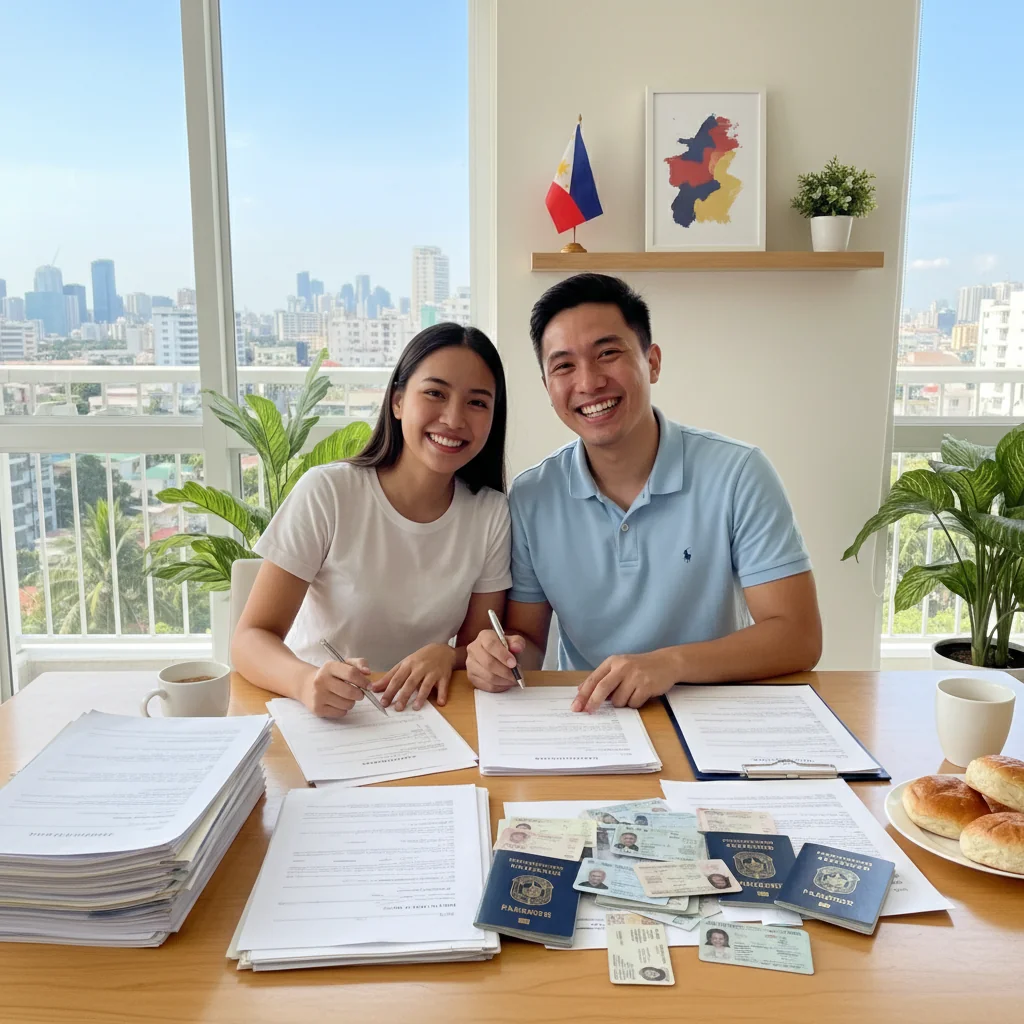
Valid identification is essential for verifying the applicant's identity and background. Expect to submit government-issued IDs such as a passport, driver's license, or Philippine National ID (PhilID), along with a completed rental application form.
References from previous landlords or employers help assess reliability and payment history. For a comprehensive list of required documents, visit the Required Documents for Rental Applications in the Philippines page.
Additional requirements may vary by location; consult authoritative sources like the Department of Trade and Industry (DTI) for guidelines on tenant rights and rental agreements in the Philippines.
Proof of Income
When applying for loans or financial assistance in the Philippines, gathering proof of income documents is essential to verify your financial stability. Common documents include recent pay slips, which should cover the last three months and detail your salary, employer, and deductions, ensuring they are stamped or signed for authenticity.
Tax returns provide a comprehensive view of your annual earnings and are particularly useful for self-employed individuals. In the Philippines, submit your latest Income Tax Return (ITR) form, such as BIR Form 1701 for individuals or 1702 for corporations, obtainable from the Bureau of Internal Revenue.
For alternative proofs, consider bank statements showing salary credits over several months or certificates of employment from your employer. Freelancers or business owners may need to include business registration documents from the Department of Trade and Industry alongside profit and loss statements to strengthen their application.
Before filling out any financial form, organize these proof of income documents to avoid delays in processing. For tailored legal support in preparing related paperwork, consider using Docaro for bespoke AI-generated documents customized to Philippine regulations.
How Do I Gather the Required Information?
1
Gather Personal Identification Details
Collect your valid government-issued ID, such as passport or driver's license, noting full name, date of birth, and address. Prepare proof of residence if needed.
2
Compile Employment and Financial History
Document your current employment, salary details, and bank statements for the past three months. Include employer contact information and duration of service.
3
Secure Rental References
Obtain contact details from at least two previous landlords or professional references, including their names, phone numbers, and relationship to you.
4
Prepare Bespoke Rental Application Document
Use Docaro to generate a customized rental application form incorporating all gathered info, ensuring compliance with Philippine rental laws.
What Are the Key Sections of the Form?
A standard rental application form in the Philippines typically begins with personal details to verify the applicant's identity and eligibility. This section includes full name, date of birth, nationality, marital status, contact information such as phone number and email, and current address, as outlined in the guide on how to fill out a rental application form in the Philippines.
The employment information section follows, requiring details about the applicant's job stability and income to assess affordability. Applicants must provide current employer name, position, length of employment, monthly salary, and sometimes employer contact details for verification, ensuring landlords can evaluate financial reliability.
Rental history is another key area, where applicants list previous residences, including addresses, duration of stay, reasons for leaving, and landlord references. This helps landlords gauge the applicant's track record as a tenant, with tips from Philippine housing authorities like the Housing and Urban Development Coordinating Council emphasizing accurate disclosures.
Finally, emergency contacts provide names, relationships, and contact numbers of reliable persons for urgent situations. Some forms may also include consent for background checks or references to local laws under the Urban Development and Housing Act of 1992, promoting transparency in the rental process.
Personal Information
When filling out the personal information section on Philippine legal forms, start with your full legal name as it appears on your birth certificate or valid ID, ensuring accuracy to avoid delays in processing. Double-check spelling and include any middle names or suffixes to match official records, as per guidelines from the Philippine Statistics Authority.
For contact details, provide a current residential address, reliable phone number, and email address, using the complete format required by local government units. Common errors like incomplete addresses can lead to failed notifications, so verify against your barangay certificate or utility bills for precision.
Indicating marital status requires selecting single, married, widowed, separated, or annulled, supported by relevant documents like a marriage certificate from the local civil registry. To prevent mistakes, consult the Commission on Elections resources if status affects voter or civil registrations, and always use your most recent official status.
General tips for avoiding errors include reviewing all entries twice and using black ink for handwritten forms, while for digital submissions, save drafts before finalizing to ensure no fields are overlooked in Philippine administrative procedures.
Employment and Financial Details
Completing employment and financial sections accurately is essential for applications in the Philippines, such as visa or loan forms. Honesty in these sections builds trust with authorities and prevents legal issues, as false information can lead to denial or penalties under Philippine law.
Gather supporting documents like pay stubs, tax returns (BIR Form 2316), and employment certificates to verify your details. For financial sections, include bank statements and proof of income to demonstrate stability, ensuring all submissions align with guidelines from the Department of Trade and Industry or relevant agencies.
Emphasize transparency in employment history by listing current and past jobs with exact dates and roles, avoiding omissions that could raise red flags. Use bespoke AI-generated legal documents from Docaro to customize forms precisely for your Philippine-based needs, rather than generic options.
- Double-check entries against original records to maintain accuracy.
- Consult official sources like the Bureau of Internal Revenue for financial reporting standards.
- Submit everything promptly to avoid delays in processing.
How Do I Submit the Completed Form?
1
Prepare Application and Documents
Gather required info like ID, income proof, and references. Use Docaro to generate a bespoke rental application form tailored to Philippine laws.
2
Submit via Preferred Method
Deliver in-person to the landlord, email the form with attachments, or upload to the property's online portal if available.
3
Confirm Receipt and Follow Up
Request confirmation of submission. Contact the landlord within 2-3 days to check status and provide any additional info needed.
4
Await Decision and Prepare Next Steps
Monitor for approval or rejection. If approved, review lease terms; if not, inquire about reasons and apply elsewhere.
What Common Mistakes Should I Avoid?
When filling out rental applications in the Philippines, a common error is providing incomplete information, such as missing income proofs or contact details, which can lead to immediate rejection by landlords. To prevent this, double-check all required fields and gather supporting documents like pay stubs or IDs beforehand.
Another frequent mistake is falsified details, like exaggerating employment history or fabricating references, which risks eviction or legal issues under Philippine tenancy laws. Always submit truthful information and use verified references to build trust with property owners.
For more guidance on avoiding these pitfalls, explore tips for a successful rental application in the Philippines. Additionally, refer to the Department of Justice guidelines on tenant-landlord relations for authoritative insights into rental rights.
"In the Philippine rental market, submitting a complete and accurate rental application is crucial for boosting your approval odds—ensure every detail is verified and documented meticulously," advises real estate expert Maria Santos of Santos Properties Manila. For tailored legal documents to support your application, generate bespoke ones using Docaro.