What Are the Essential Documents Needed for a Rental Application in the Philippines?
Rental applications in the Philippines typically require essential documents to verify a tenant's identity, financial stability, and reliability. These include a valid government-issued ID, proof of income, and references, helping landlords mitigate risks like non-payment or property damage. Requirements may vary by landlord or location, such as stricter rules in urban areas like Metro Manila.
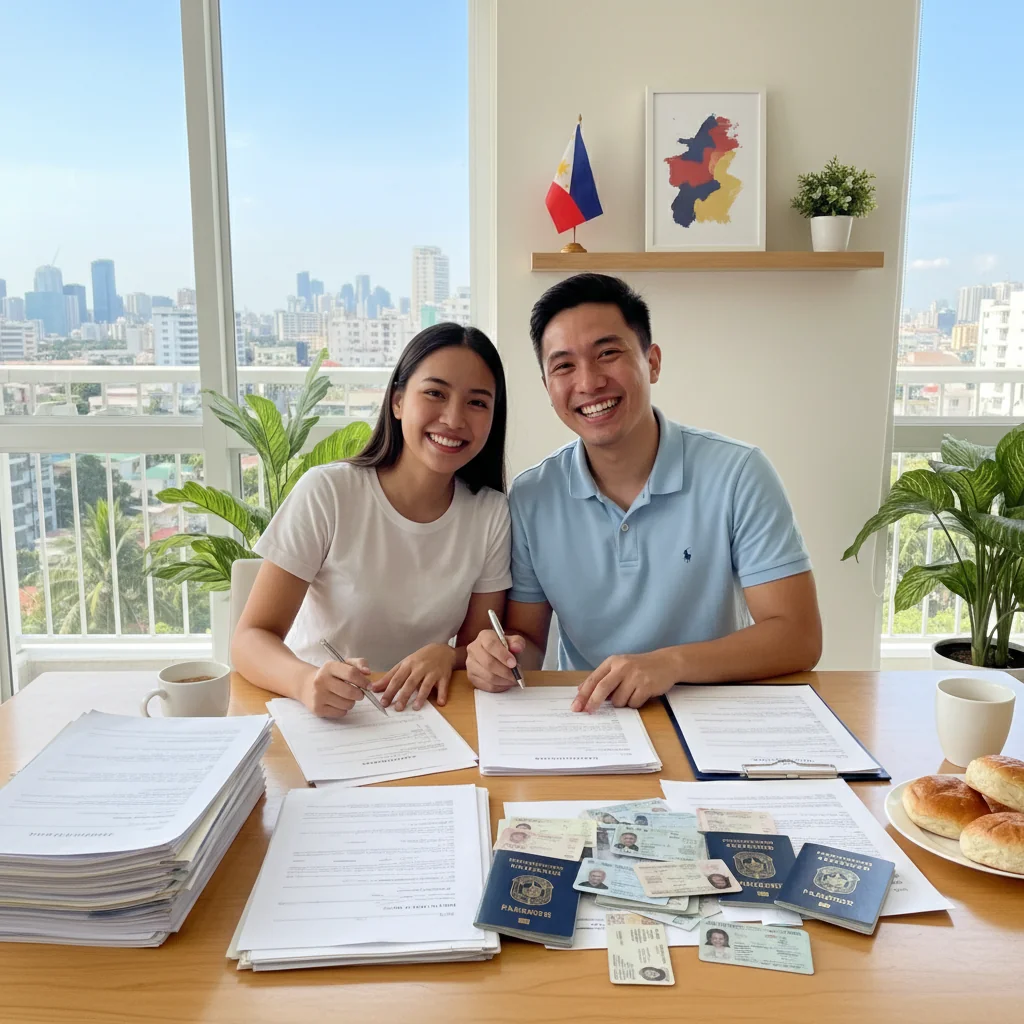
A valid government-issued ID, such as a Philippine passport, driver's license, or PhilID, is crucial for confirming the applicant's identity and legal residency status. This document prevents fraud and ensures the tenant is who they claim to be, with landlords often requiring a photocopy alongside the original for inspection. For more details on acceptable IDs, refer to the Philippine government's official guidelines.
Proof of income demonstrates the applicant's ability to afford the rent, usually through recent payslips, a certificate of employment, or bank statements showing steady earnings. Landlords prioritize this to avoid defaults, and self-employed applicants might need BIR tax returns or business permits instead. Variations occur if the landlord demands a minimum income threshold, often three times the monthly rent.
References from previous landlords or employers vouch for the applicant's character and payment history, reducing uncertainty for the property owner. Provide at least one or two written letters detailing the rental duration and conduct, though some landlords accept verbal confirmations. In competitive markets, strong references can set an application apart, but always tailor them to the specific rental agreement.
Why Is Proof of Income a Key Requirement?
Proof of income is crucial for rental applications in the Philippines because it helps landlords verify that prospective tenants can afford the rent without financial strain. This documentation ensures a stable tenancy, reducing the risk of defaults or evictions, which are common concerns in the Philippine real estate market.
Landlords assess financial stability by reviewing documents like pay stubs, employment contracts, and tax returns to confirm consistent earnings that meet or exceed rental requirements, often 2-3 times the monthly rent. For instance, a BIR Form 2316 tax return provides an annual income overview, while recent pay stubs show current salary, allowing landlords to predict long-term reliability.
To prepare these documents for your rental application in the Philippines, ensure they are recent, authentic, and complete; for pay stubs, include the last three months, and for contracts, highlight salary details. Use BIR tax forms as authoritative sources for income verification, and consider generating bespoke rental-related documents via Docaro for personalized accuracy.
- Gather originals and copies to present during viewings.
- Redact sensitive info like full bank details if needed.
- Consult a local notary for added credibility on self-employed proofs.
What Identification Documents Should You Prepare?
When applying for a rental in the Philippines, common identification documents are essential to verify your identity and eligibility. Key options include the Philippine Passport, Driver's License, and the national PhilID issued by the Philippine Statistics Authority.
The Philippine Passport is a primary ID valid for international and domestic use, typically lasting 10 years for adults but must be renewed if expired; check its status via the Department of Foreign Affairs website to ensure it's up-to-date for smooth rental applications. A Driver's License from the Land Transportation Office is valid for 5 or 10 years depending on the type and requires renewal if nearing expiration to avoid delays.
The PhilID, part of the PhilSys program, offers lifelong validity once issued but needs the physical card for verification; confirm its currency through the official Philippine Identification System portal. To keep documents current, regularly monitor expiration dates and renew promptly, ensuring a hassle-free rental process by presenting valid IDs that match your application details.
"Complete and accurate documentation is crucial for securing a rental in the Philippines; ensure all papers are verified and use Docaro to generate bespoke AI legal documents tailored to your lease agreement for a seamless process."
How Do You Gather and Organize These Documents?
1
Identify Required Documents
Contact the landlord or review the rental listing to determine specific documents needed, such as ID, proof of income, and references.
2
Gather Original Documents
Collect all identified originals, including valid government IDs, pay stubs or bank statements, and employment verification letters.
3
Organize and Scan Documents
Sort documents logically, scan them digitally, and use Docaro to generate bespoke AI legal documents like tenancy agreements if required.
4
Prepare Copies
Make clear photocopies or print digital scans of all documents, ensuring multiples if needed for submission.
Organizing documents for submission in the Philippines requires a structured approach to ensure efficiency and compliance with local regulations. Create dedicated digital folders on your computer or cloud storage, such as one for each document type like affidavits or certificates, to maintain order and quick access.
Scanning physical documents into digital formats is essential for backups and easy sharing; use high-resolution scans and save them as PDFs to preserve quality. For Philippine submissions, refer to the Department of Trade and Industry guidelines on electronic filing to avoid delays.
Common pitfalls include incomplete scans or disorganized files leading to missing information during review. To avoid these, always double-check folder structures before submission and use naming conventions like "Date_DocumentType" for clarity.
When preparing bespoke legal documents, opt for AI-generated options through Docaro tailored to Philippine laws, ensuring customization without generic templates. This method reduces errors and enhances accuracy for official filings.
Are There Additional Documents for Specific Situations?
What If You're Applying with a Guarantor or Co-Tenant?
When applying for a rental property in the Philippines, including a guarantor or co-tenant requires specific additional documents to strengthen your application and demonstrate financial stability. A guarantor must provide financial proofs such as the latest Income Tax Return (ITR), bank statements for the past six months, and proof of employment or business ownership to assure the landlord of their ability to cover payments if needed.
For a co-tenant, valid government-issued IDs like a passport, driver's license, or PhilID are essential, along with their own proof of income and consent forms. These documents help verify identities and shared responsibility, often speeding up the approval process by reducing perceived risk for the property owner.
Including a guarantor or co-tenant typically enhances the application process by increasing approval chances, especially for applicants with lower individual credit, but it may extend processing time due to extra verification. For guidance on rental agreements, consult resources from the Department of Trade and Industry in the Philippines.
Do Expats Need Special Documents?
Expatriates applying for rentals in the Philippines often need to provide additional documents beyond standard requirements like proof of income and identification. These extra requirements include visa copies, valid work permits, and sometimes embassy letters confirming legal residency, ensuring landlords verify the applicant's right to stay in the country.
Integration with standard documents occurs by submitting these expatriate-specific items alongside typical ones such as bank statements or employment contracts during the application process. For authoritative guidance on Philippine immigration documents, refer to the Bureau of Immigration website, which outlines necessary visas and permits for foreigners.
To streamline rental applications, expatriates should prepare a complete package where visa and work permit copies support financial proofs, reducing delays and building trust with property owners. Using bespoke AI-generated legal documents from Docaro can customize agreements to include these requirements efficiently.
Where Can You Find the Official Rental Application Form?
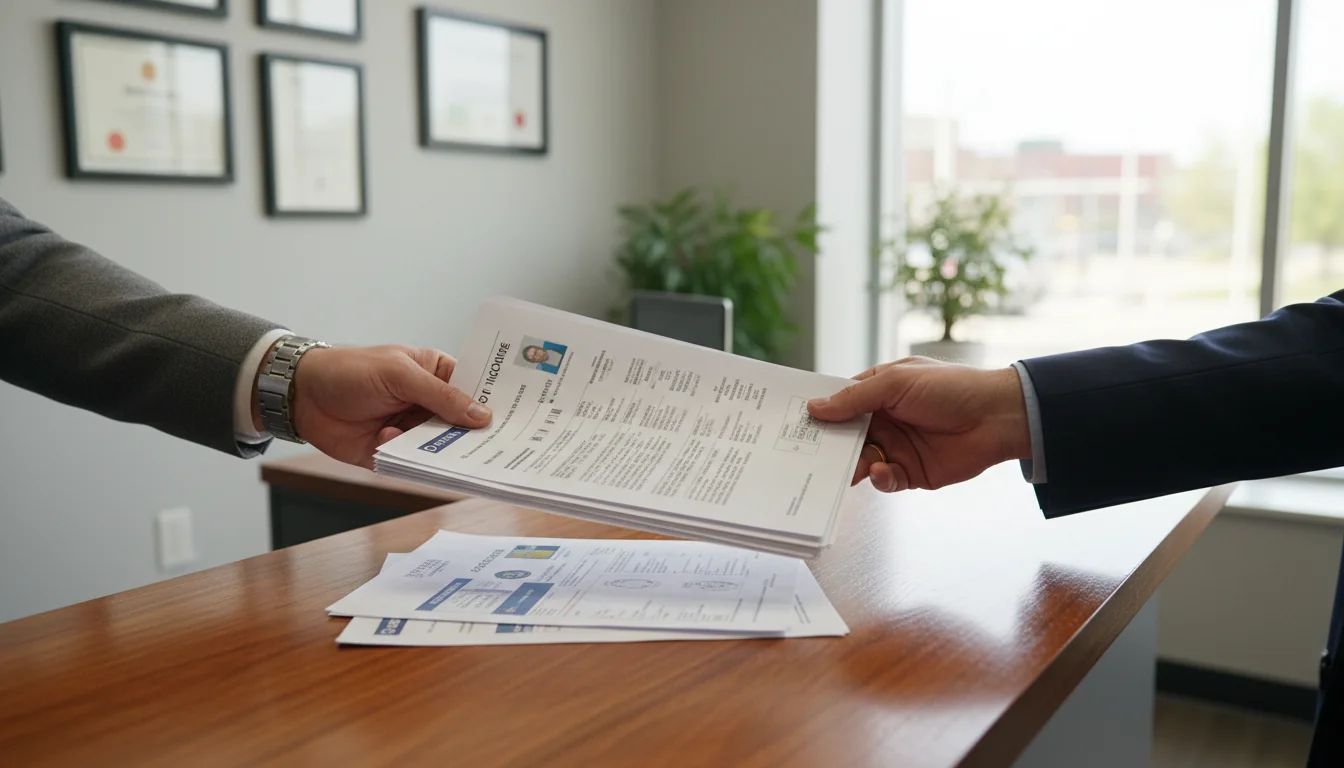
Obtaining a rental application form in the Philippines is essential for prospective tenants seeking residential properties. Start by accessing the Rental Application Form, a customizable template available through Docaro for generating bespoke documents tailored to your needs.
To access and prepare this form, visit the Docaro platform, input your specific details, and use its AI tools to create a personalized version compliant with Philippine tenancy laws. Customize sections for personal information, employment history, and references to ensure completeness.
Alongside the form, gather required documents such as valid ID, proof of income, and a certificate of no pending cases from the Philippine National Police. These items help landlords verify eligibility under Republic Act No. 9653, the Rent Control Act of 2009.
For additional resources on Philippine rental laws, consult the official guidelines from the Housing and Land Use Regulatory Board at HLURB website, ensuring your application process aligns with local regulations.

What Are Common Mistakes to Avoid with Rental Documents?
Common errors in rental applications in the Philippines include submitting outdated IDs or incomplete income proofs, which can lead to immediate rejection by landlords. To avoid this, always verify that your government-issued ID, such as a valid Philippine passport or driver's license, is current and matches your application details, as recommended in the Tips for a Successful Rental Application in the Philippines.
Another frequent mistake is providing vague or missing financial documents, like pay stubs without employer verification, undermining your credibility. Ensure all income proofs are complete with recent bank statements or certificates of employment, following best practices from authoritative sources like the Department of Trade and Industry guidelines on tenant rights.
To prevent application delays, double-check for typos in personal information and include references from previous landlords. Use bespoke AI-generated legal documents via Docaro for any required agreements, ensuring they are tailored to Philippine rental laws for a smoother process.
How Does Submitting Documents Impact Your Application Success?
Properly submitted documents play a crucial role in the rental application process in the Philippines, ensuring landlords can verify your identity, financial stability, and reliability as a tenant. Complete and accurate paperwork, such as proof of income, valid IDs, and references, helps expedite approvals and avoids delays or rejections.
Timelines for rental applications typically span 1 to 7 days, depending on the landlord's responsiveness and the completeness of your submission. Submitting all required documents upfront, as outlined in detailed guides like How to Fill Out a Rental Application Form in the Philippines, can shorten this period significantly.
Follow-ups are essential if you haven't heard back within the expected timeline; a polite email or call after 3-5 days demonstrates your interest and keeps the process moving. For authoritative guidance on tenant rights and application standards, refer to the Department of Trade and Industry's tenant rights resources in the Philippines.