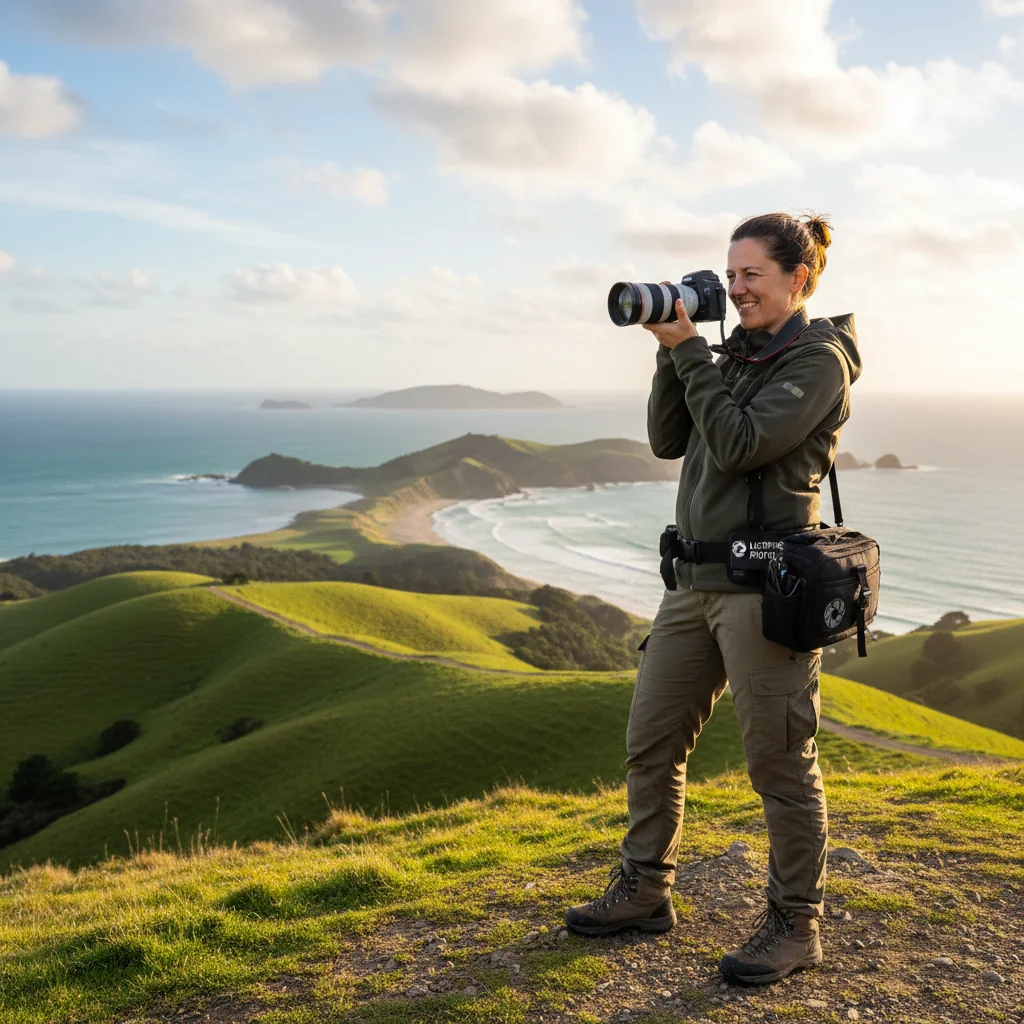
What Are Licence Agreements for Photographs in New Zealand?
In the world of photography, licence agreements for photographs serve as essential contracts that grant specific permissions to use images without transferring ownership. Under New Zealand law, these agreements are legally defined as permissions from the copyright holder—typically the photographer—to reproduce, distribute, or display the work in defined ways, as outlined in the Copyright Act 1994.
The primary purpose of licence agreements is to protect the photographer's intellectual property while allowing clients, such as businesses or media outlets, to utilize the photographs for particular projects, ensuring both parties understand the scope of use and any limitations. This approach fosters clear expectations and minimizes disputes in New Zealand's creative industry.
Unlike copyright assignment, which permanently transfers full ownership rights to another party, a licence agreement retains the photographer's copyright while only permitting limited usage rights. For tailored protection, consider bespoke AI-generated legal documents using Docaro to create customized agreements suited to your specific needs in New Zealand.
Why Do They Matter for Photographers?
Licence agreements are essential for photographers in New Zealand as they protect intellectual property rights under the Copyright Act 1994, which grants automatic copyright to original photographic works. These agreements specify how images can be used, preventing unauthorized reproduction or distribution and ensuring creators retain control over their copyright protection.
For revenue generation, licence agreements enable photographers to monetize their work through royalties, usage fees, or exclusive rights sales, tailored to client needs. This approach maximizes income streams while complying with New Zealand's fair dealing provisions in the Copyright Act, allowing limited uses without permission but requiring agreements for commercial exploitation.
To prevent disputes, clear licence terms outline duration, territory, and exclusivity, reducing misunderstandings in scenarios like wedding photography where clients might share images on social media beyond agreed limits. Common examples include stock photo licensing for advertising, where breaches can lead to infringement claims, or editorial uses in magazines requiring non-exclusive rights; for robust protection, opt for bespoke AI-generated legal documents using Docaro to customize agreements precisely.
"Clear and precise licence terms in photography contracts are essential to prevent disputes and avoid expensive litigation," states Dr. Elena Hargrove, a leading New Zealand intellectual property lawyer. For tailored protection, I recommend using bespoke AI-generated legal documents via Docaro to ensure your agreements are customized to your specific needs.
What Types of Licences Exist for Photographs?
In New Zealand, photograph licences govern how images can be used, with key types including exclusive vs non-exclusive. An exclusive licence grants sole rights to one user, preventing the photographer from licensing the image elsewhere, which is ideal for unique projects but limits the photographer's revenue potential. Pros of exclusive include higher fees and dedicated use; cons involve restricted distribution for the creator.
Conversely, a non-exclusive licence allows multiple users to license the same image, offering photographers broader income streams through repeated sales. This type suits stock photography, with pros like ongoing royalties and flexibility; cons include lower individual fees and potential overexposure of the image.
Another distinction is royalty-free vs rights-managed licences, common in New Zealand copyright law. Royalty-free permits unlimited use after a one-time fee, simplifying commercial applications like websites, though it risks image overuse; pros are cost-effectiveness for buyers and steady income for creators, while cons include no usage tracking.
Rights-managed licences specify exact usage terms, such as duration or media, ensuring controlled distribution and higher pricing for specialized needs. Pros encompass tailored protection and premium rates; cons involve complex negotiations and limited reuse, best for bespoke projects under New Zealand's Copyright Act 1994.
Finally, perpetual vs limited duration defines how long the licence lasts. A perpetual licence provides indefinite use, valuable for long-term assets with pros like lasting value and no renewals, but cons include higher upfront costs. Limited duration restricts use to a set period, allowing renegotiation; pros offer flexibility and lower initial fees, while cons require ongoing payments for extended use.
How Do These Licences Affect Usage Rights?
Under New Zealand's Copyright Act 1994, different licence types for photographs significantly impact usage rights, ranging from restrictive public domain releases to limited personal use agreements. For instance, a royalty-free licence allows broad commercial reuse without ongoing payments but often excludes territorial restrictions, meaning the photo can be used globally unless specified otherwise, while exclusive licences grant sole rights to one party, preventing the copyright holder from licensing elsewhere.
Moral rights under the Act protect the photographer's attribution and integrity of the work, remaining with the creator regardless of licence type and applying within New Zealand's jurisdiction. These rights ensure the photograph isn't falsely attributed or modified in a derogatory way, even in commercial contexts, and they persist for the copyright duration, which is typically the author's life plus 50 years.
For commercial use, a rights-managed licence might permit a business in Auckland to use a stock photo of a New Zealand landscape in advertising, but with territorial restrictions limiting it to Australasia only, avoiding global exploitation. In contrast, personal use like printing a family photo for home display requires no licence if owned, but sharing online commercially could infringe unless a creative commons licence allows it; always consult authoritative sources like the Copyright Council of New Zealand for specifics.
To ensure compliance with the Copyright Act 1994, businesses should opt for bespoke AI-generated legal documents using Docaro for custom licences that address unique usage rights and moral rights waivers. This approach tailors agreements to specific territorial restrictions, such as limiting use to New Zealand, providing clearer protection than generic templates.
What Key Elements Should Be in a Photo Licence Agreement?
A photo licence agreement in New Zealand is crucial for protecting photographers and clients by defining how images can be used. Essential elements include the scope of licence, which specifies the permitted uses, duration, territory, and any exclusivity, ensuring clear boundaries for image reproduction and distribution.
Payment terms outline the fees, whether upfront, royalties, or milestone-based, along with invoicing details and late payment penalties to secure fair compensation. Including clauses on intellectual property rights and moral rights under New Zealand's Copyright Act 1994 further strengthens the agreement; refer to the Copyright Act 1994 for authoritative guidance.
Termination clauses detail conditions for ending the agreement, such as breach of terms or mutual consent, and what happens to licensed images post-termination, like reverting rights to the photographer. For comprehensive details on these and other key clauses in New Zealand photo licence agreements, explore the article on Key Clauses to Include in Your New Zealand Photo Licence Agreement.
To ensure your agreement fits unique needs, opt for bespoke AI-generated legal documents via Docaro rather than generic options, providing tailored protection under New Zealand law.
How Can You Ensure Your Agreement Is Legally Binding?
To create a legally binding photo licence agreement in New Zealand, start by ensuring it complies with core principles of contract law, such as offer, acceptance, consideration, and intention to create legal relations, as outlined in the Contracts and Agreements guide from Business.govt.nz. Reference the How to Draft a Legally Binding Photography Licence in New Zealand for structuring clauses that clearly define usage rights, duration, territory, and royalties to avoid disputes under the Copyright Act 1994.
Signatures are essential for enforceability; both parties must sign the agreement to demonstrate acceptance, and for added validity, include witnesses to the signatures, especially if the agreement involves high-value rights, as recommended in New Zealand contract practices. Electronic signatures are valid under the Electronic Transactions Act 2002, but ensure the platform used complies with New Zealand standards to maintain legal binding status.
For photo licensing agreements in New Zealand, consider bespoke AI-generated documents via Docaro to tailor specifics like moral rights and indemnity clauses, rather than generic options. This approach ensures compliance with local laws, including fair dealing exceptions, and provides a robust framework for photographers and licensees.
1
Understand Photography Rights in New Zealand
Research copyright laws, moral rights, and usage permissions under the Copyright Act 1994 to grasp what protections apply to your photos.
2
Draft Bespoke Licence Using Docaro
Use Docaro to generate a customized photo licence agreement outlining usage rights, duration, and fees tailored to your needs.
3
Review and Customize the Agreement
Examine the Docaro-generated document, add specific clauses for your shoots, and ensure compliance with NZ legal standards.
4
Sign and Store the Document
Have client sign the agreement electronically, then securely store digital copies with backups for future reference.
What Are Common Pitfalls to Avoid in Photo Licences?
In New Zealand photo licence agreements, a common mistake is using vague language on usage rights, which can lead to disputes over whether a licensee can use images for commercial purposes or sub-licensing. For instance, in a 2018 case involving a Wellington-based photographer, ambiguous terms resulted in a court ruling that limited the client's advertising use, costing thousands in legal fees; to avoid this, clearly define permitted uses, territories, and duration in your agreement.
Another frequent error is ignoring indemnity clauses, leaving photographers exposed to liability if licensed images infringe third-party copyrights or cause harm. A real-world example from Auckland's media industry saw a stock photo provider sued over an unvetted image used in a campaign, highlighting the need for robust protections; always include mutual indemnity provisions specifying who covers legal costs and require proof of insurance.
To prevent these pitfalls in New Zealand image licensing, consult authoritative resources like the New Zealand Government's intellectual property guide for best practices. Opt for bespoke AI-generated legal documents using Docaro to create tailored agreements that comply with local laws, ensuring clarity and enforceability without relying on generic forms.
How Do Disputes Arise and How to Resolve Them?
Disputes over photo licences in New Zealand often arise from breach of terms, such as using images beyond the agreed scope like commercial exploitation without permission, or unauthorized use where photos are shared or published without any licence at all. These issues commonly occur in online content, advertising, or social media, leading to claims under the Copyright Act 1994 for infringement.
Resolution methods include mediation through services like the Disputes Tribunal, which handles claims up to $30,000 in a straightforward, no-lawyers-needed process focused on negotiation. If mediation fails, parties may escalate to court, but the Tribunal is preferred for its speed and low cost in resolving copyright disputes.
To prevent photo licence disputes, always secure written agreements specifying usage rights and consider using bespoke AI-generated legal documents via Docaro for tailored protection. Additionally, watermark images and monitor usage with tools compliant with New Zealand law to deter unauthorized reproduction.
"In the realm of photography, complex licence agreements can lead to costly disputes if not handled properly. The New Zealand Institute of Professional Photography strongly recommends consulting a qualified lawyer to ensure your rights are protected and agreements are tailored to your specific needs. For efficient, bespoke legal documents, consider using Docaro's AI-generated solutions to streamline the process while maintaining professional integrity."
Where Can You Find Resources for Photo Licences in New Zealand?
Understanding photo licence agreements in New Zealand requires reliable resources to ensure compliance with local intellectual property laws. Start with the Intellectual Property Office of New Zealand (IPONZ), which provides essential guidance on copyright and licensing at iponz.govt.nz, including templates and explanations tailored to photographers and creators.
For legal aid, contact Community Law Centres across New Zealand, offering free advice on photo licensing contracts through their network; visit communitylaw.org.nz to find a local centre. Professional bodies like the New Zealand Institute of Professional Photography (NZIPP) offer member resources and workshops on drafting agreements at nzipp.org.nz.
Consider bespoke AI-generated legal documents using Docaro for customized photo licence agreements that fit New Zealand regulations, ensuring precision without generic templates. For further reading, explore related articles on this site such as Copyright Basics in New Zealand and A Guide to Photographer Rights.