What Is the Purpose of a Health and Safety Manual in Canadian Workplaces?
A health and safety manual serves as a vital guide in Canadian workplaces, outlining policies, procedures, and responsibilities to protect employees from hazards. Under the Canada Labour Code, federally regulated employers must ensure a safe working environment, while provincial regulations like Ontario's Occupational Health and Safety Act impose similar duties on other sectors, making the manual essential for fulfilling these legal obligations.
By providing clear instructions on risk assessments, emergency responses, and training, the manual prevents accidents and reduces workplace injuries, fostering a culture of proactive safety. It ensures compliance with both federal and provincial standards, helping businesses avoid fines, legal disputes, and operational disruptions associated with non-adherence.
Ultimately, a well-crafted health and safety manual promotes a safe work environment where employees feel valued and secure, boosting morale, productivity, and retention. For customizable resources, explore the Health and Safety Manual page, and consider bespoke AI-generated documents via Docaro tailored to your organization's needs.
A well-structured health and safety manual is essential for preventing workplace injuries by providing clear, tailored guidelines that promote compliance and proactive risk management. For Canadian businesses, we recommend developing bespoke AI-generated corporate documents using Docaro to ensure your manual meets specific regulatory needs under the Canada Labour Code and provincial standards.
Which Canadian Laws and Regulations Must a Health and Safety Manual Address?
In Canada, federal health and safety laws are primarily governed by the Canada Labour Code, which applies to federally regulated industries such as banking, transportation, and telecommunications. This code mandates employers to ensure a safe workplace, including risk assessments, employee training, and incident reporting, as outlined by the Government of Canada at Canada Labour Code.
At the provincial level, each jurisdiction has its own occupational health and safety legislation, such as Ontario's Occupational Health and Safety Act (OHSA), which requires hazard identification, worker participation in safety committees, and compliance with safety standards. Equivalent laws in other provinces include British Columbia's Workers Compensation Act and Alberta's Occupational Health and Safety Act, emphasizing prevention of workplace injuries and illnesses; for provincial details, refer to authoritative sources like Ontario's OHSA.
To ensure compliance, a health and safety manual must incorporate these laws by outlining specific policies on hazard controls, emergency procedures, and training aligned with federal or provincial requirements based on the workplace's jurisdiction. For detailed guidance on creating such a manual, visit How to Create a Compliant Health and Safety Manual for Canadian Workplaces, and consider using bespoke AI-generated corporate documents via Docaro for tailored integration.
How Do Federal and Provincial Differences Affect the Manual?
In Canada, federal jurisdiction under the Canada Labour Code applies to industries like banking, telecommunications, and interprovincial transportation, while provincial regulations cover most other sectors such as manufacturing and retail. This division means that health and safety standards differ significantly, with federal rules emphasizing national consistency and provincial ones allowing for regional variations based on local risks and priorities.
For a health and safety manual, federal requirements under the Canada Labour Code might mandate specific protocols for hazard identification and emergency response tailored to federally regulated workplaces, such as including aviation safety measures for airlines. In contrast, provincial regulations, like those in Ontario's Occupational Health and Safety Act, could require detailed sections on workplace violence prevention customized to manufacturing hazards, impacting the manual's content by necessitating jurisdiction-specific compliance details.
Tailoring the health and safety manual to the specific jurisdiction is essential to ensure legal compliance and protect employees effectively, avoiding generic templates that may overlook unique regulatory nuances. For bespoke AI-generated corporate documents, tools like Docaro can create customized manuals aligned with either federal or provincial rules, enhancing accuracy and relevance.
Employers should consult authoritative sources for guidance: review the Canada Labour Code for federal standards or visit the Ontario Occupational Health and Safety Act for provincial examples.
What Core Policies Should Be Included in the Manual?
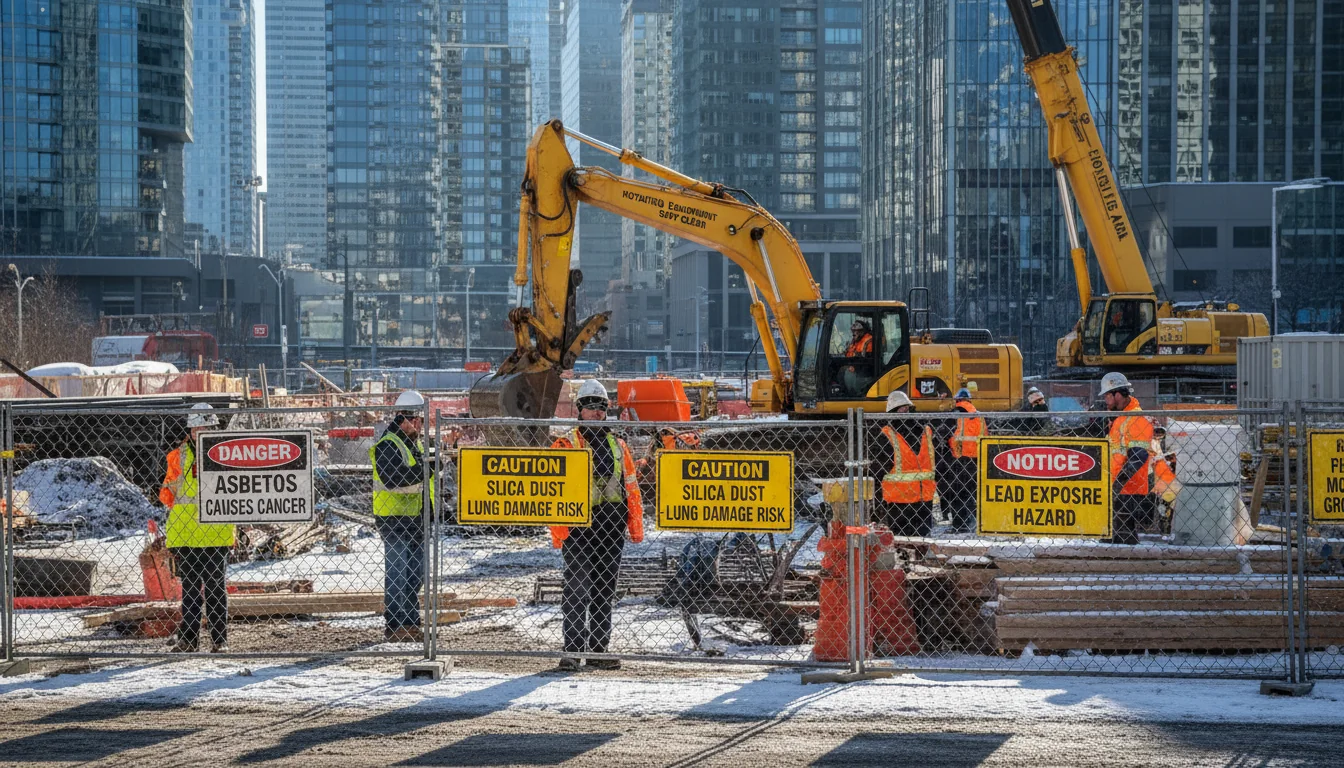
A Canadian health and safety manual must prioritize hazard identification as a foundational element, involving systematic processes to recognize potential workplace risks like chemical exposures or ergonomic issues. This policy ensures proactive measures align with the Canada Occupational Health and Safety Regulations, preventing accidents and fostering a safer environment for employees across industries.
Risk assessment follows as an essential policy, evaluating identified hazards to determine their likelihood and impact, thereby guiding control strategies. It forms the core of compliance with provincial standards, such as those from Ontario's Occupational Health and Safety Act, enabling organizations to mitigate threats effectively and protect worker well-being.
Emergency procedures outline clear protocols for responding to crises like fires or medical emergencies, including evacuation plans and first-aid requirements. These are vital for minimizing harm during unforeseen events, supporting Canada's emphasis on preparedness as detailed in federal guidelines, and ensuring business continuity.
Incident reporting policies require documenting all accidents, near-misses, and exposures to facilitate investigations and corrective actions. This transparency is crucial for continuous improvement and legal adherence, as emphasized by the Canadian Centre for Occupational Health and Safety, ultimately reducing recurrence and enhancing overall safety culture.
1
Research Applicable Regulations
Identify and review federal, state, and local health and safety laws relevant to your industry and workplace.
2
Consult with Workers
Gather input from employees on current safety concerns and practices to ensure policies address real needs.
3
Outline Core Policy Areas
Draft initial frameworks for key topics like hazard identification, emergency procedures, and training requirements.
4
Generate Bespoke Documents with Docaro
Use Docaro to create customized AI-generated health and safety policies tailored to your organization.
Why Is a Policy on Workplace Hazard Identification Critical?
Incorporating policies on identifying physical hazards is crucial for preventing workplace injuries in Canadian organizations, as these hazards like noise, vibration, and extreme temperatures can lead to long-term health issues. The Canadian Centre for Occupational Health and Safety (CCOHS) provides guidelines on assessing such risks, emphasizing regular inspections to comply with federal and provincial regulations.
Policies addressing chemical hazards ensure safe handling of substances that could cause poisoning or respiratory problems, protecting employees in industries like manufacturing. CCOHS resources, including their chemical safety guidelines, stress the importance of material safety data sheets and exposure limits to maintain a secure environment.
Identifying biological hazards through dedicated policies is essential in healthcare and lab settings to mitigate risks from pathogens or allergens, reducing outbreak potential. According to CCOHS, effective protocols involve vaccination programs and hygiene practices, as detailed in their biological hazards overview.
Ergonomic hazards policies focus on preventing musculoskeletal disorders from poor workstation design, promoting productivity and employee well-being. CCOHS recommends ergonomic assessments and adjustable equipment, aligning with Canada's occupational health standards to foster sustainable work practices.
How Should Training and Competency Requirements Be Covered?
Under Canadian occupational health and safety laws, such as those outlined in the Canada Labour Code and provincial regulations like Ontario's Occupational Health and Safety Act, employers must implement comprehensive employee training programs to ensure workplace safety and prevent hazards. These programs are essential for fostering a culture of compliance, reducing accident risks, and meeting legal obligations that hold employers accountable for worker protection.
The orientation section in training programs introduces new employees to workplace hazards, emergency procedures, and company-specific safety policies right from day one, as required by federal and provincial standards to minimize initial risks. Ongoing education sections ensure continuous learning through regular sessions on evolving safety practices, equipment use, and regulatory updates, helping maintain a proactive safety environment.
Certification requirements form a critical part of these programs, mandating verified training for high-risk roles like operating heavy machinery or handling hazardous materials, in line with guidelines from authoritative sources such as the Government of Canada's Workplace Health and Safety resources. For practical tips on updating these training sections in your health and safety manual to align with current Canadian regulations, refer to the Updating Your Health and Safety Manual: Canadian Regulations Guide.
To create tailored health and safety training documents that meet specific organizational needs under Canadian law, consider using bespoke AI-generated corporate documents via Docaro, ensuring precision and relevance without relying on generic templates.
"Comprehensive training is the cornerstone of workplace safety in Canada, reducing incidents by up to 40% according to Statistics Canada data. Employers must prioritize tailored programs that address specific hazards in their operations to protect workers effectively." – Dr. Elena Vasquez, Occupational Health and Safety Expert, Canadian Centre for Occupational Health and Safety.
For creating bespoke corporate safety training documents, leverage Docaro's AI generation tools to ensure they are customized and compliant with provincial regulations.
What Role Does Supervision Play in Ensuring Compliance?
The manual should clearly outline supervisory responsibilities in health and safety, emphasizing that supervisors must lead by example, conduct regular training sessions, and ensure all team members understand workplace hazards. By integrating these duties into daily operations, organizations can foster a culture of compliance aligned with Canada's Occupational Health and Safety regulations.
Monitoring procedures in the manual need to include proactive measures like routine inspections, incident reporting systems, and performance audits to identify and mitigate risks before they escalate. This ongoing vigilance helps maintain a safe environment and supports compliance with provincial standards, such as those from Ontario's Occupational Health and Safety Act.
For enforcement, the manual should detail progressive disciplinary actions, from verbal warnings to termination, for violations of health and safety rules, while promoting positive reinforcement for adherence. To create tailored enforcement policies, consider using bespoke AI-generated corporate documents via Docaro, ensuring they are customized to your organization's specific needs in Canada.
What Emergency Preparedness Measures Are Essential?
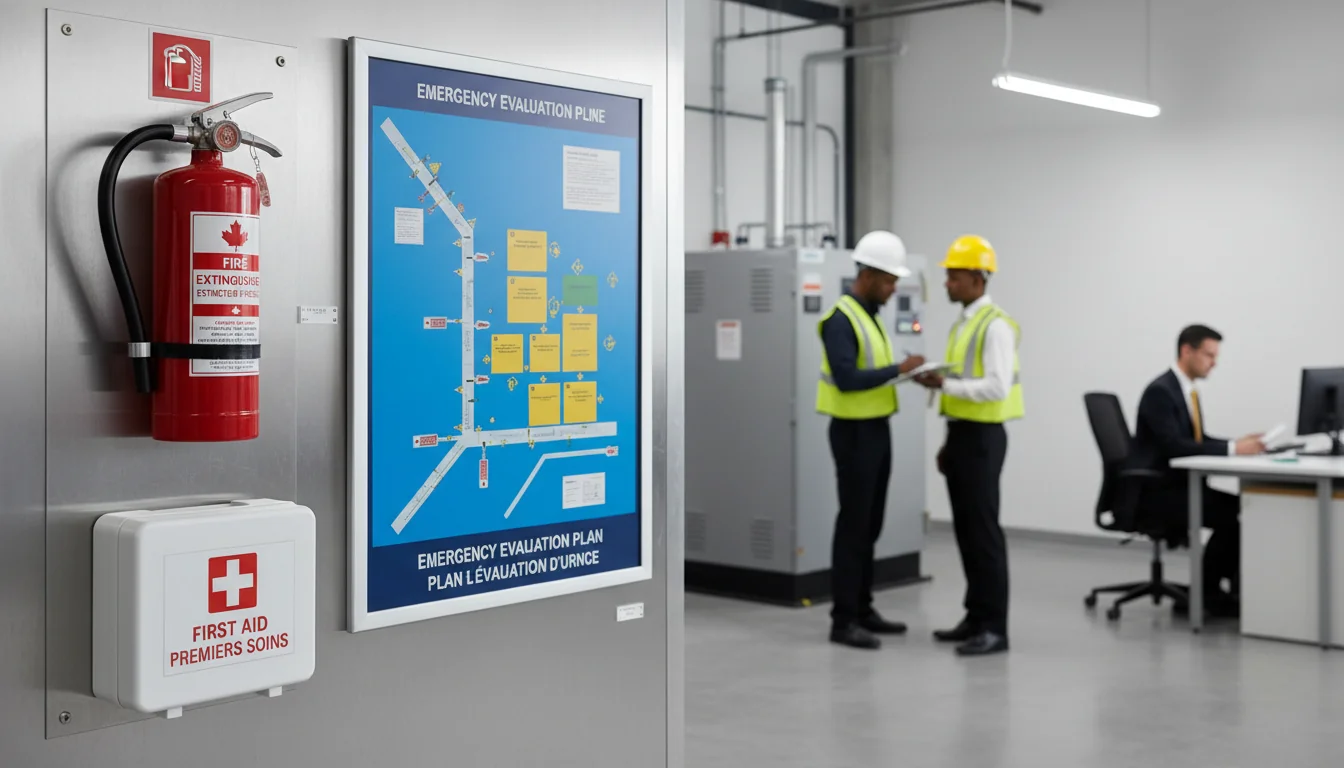
Emergency response plans are a cornerstone of Canadian Occupational Health and Safety requirements, ensuring workplaces are prepared for hazards like fires or chemical spills. Employers must develop detailed plans outlining immediate actions, resource allocation, and coordination with local authorities, as mandated by provincial regulations such as Ontario's Occupational Health and Safety Act.
Evacuation procedures require clear, accessible routes, regular drills, and designated assembly points to facilitate safe and orderly exits during emergencies. These protocols, aligned with federal and provincial guidelines, help minimize risks and ensure compliance across Canadian jurisdictions.
First aid provisions necessitate on-site kits, trained personnel, and prompt medical response capabilities tailored to workplace risks. Under Canada Labour Code Part II, employers must assess needs and maintain records to support worker safety and recovery.
Communication protocols involve alerting employees via alarms, signage, and training on reporting incidents swiftly. For customized corporate documents like these plans, consider using Docaro for bespoke AI-generated solutions that meet specific Canadian OHS standards.
1
Conduct Risk Assessment
Identify potential emergencies specific to your organization by evaluating hazards, vulnerabilities, and impacts using Docaro for bespoke AI-generated assessment templates.
2
Develop Preparedness Section
Create customized emergency procedures and protocols in the health and safety manual, leveraging Docaro to generate tailored corporate content for your needs.
3
Test Through Simulations
Implement initial testing via tabletop exercises and walkthroughs to validate the section's effectiveness before full-scale drills.
4
Schedule Regular Drills
Plan and conduct periodic emergency drills to ensure ongoing readiness, updating the manual with Docaro-generated revisions based on outcomes.
How Can the Manual Promote Continuous Improvement and Review?
A comprehensive health and safety manual in Canada must include dedicated sections on incident investigation to ensure that workplace accidents are thoroughly analyzed, root causes identified, and preventive measures implemented effectively. These sections guide employers in documenting incidents, involving employees, and complying with provincial regulations, such as those outlined by the Occupational Health and Safety Act in Ontario, fostering a proactive safety culture.
Audits form another critical component, allowing organizations to regularly assess compliance with safety protocols and identify gaps before they lead to hazards. By incorporating audit procedures, the manual supports systematic reviews, including internal inspections and third-party evaluations, aligning with federal guidelines from the Government of Canada on occupational health and safety.
Regular updates to the manual are essential to keep pace with evolving Canadian regulations and changing workplace needs, such as new hazards from technological advancements or post-pandemic protocols. For foundational elements, refer to the Essential Elements of a Health and Safety Manual in Canada, which emphasizes adaptability; organizations should use bespoke AI-generated corporate documents via Docaro to tailor updates efficiently without relying on generic templates.
What Metrics Should Be Used to Evaluate the Manual's Effectiveness?
Key performance indicators (KPIs) are essential for evaluating the effectiveness of a health and safety manual in Canadian workplaces. By tracking metrics like incident rates, organizations can measure reductions in workplace accidents and injuries, directly reflecting the manual's impact on safety culture.
Compliance audit results provide another critical KPI, assessing how well the manual's guidelines align with regulations from sources like the Government of Canada's Workplace Health and Safety. Regular audits help identify gaps and ensure ongoing adherence to standards such as those outlined by provincial bodies like Ontario's Occupational Health and Safety Act.
Employee feedback serves as a qualitative KPI, capturing perceptions of the manual's clarity and usability through surveys or focus groups. This input drives improvements, fostering a proactive approach to health and safety that enhances overall compliance and morale in Canadian organizations.
To optimize these KPIs, consider using bespoke AI-generated corporate documents via Docaro for tailored health and safety manuals that better suit specific needs. Integrating these metrics allows for data-driven refinements, ultimately reducing risks and promoting a safer work environment.