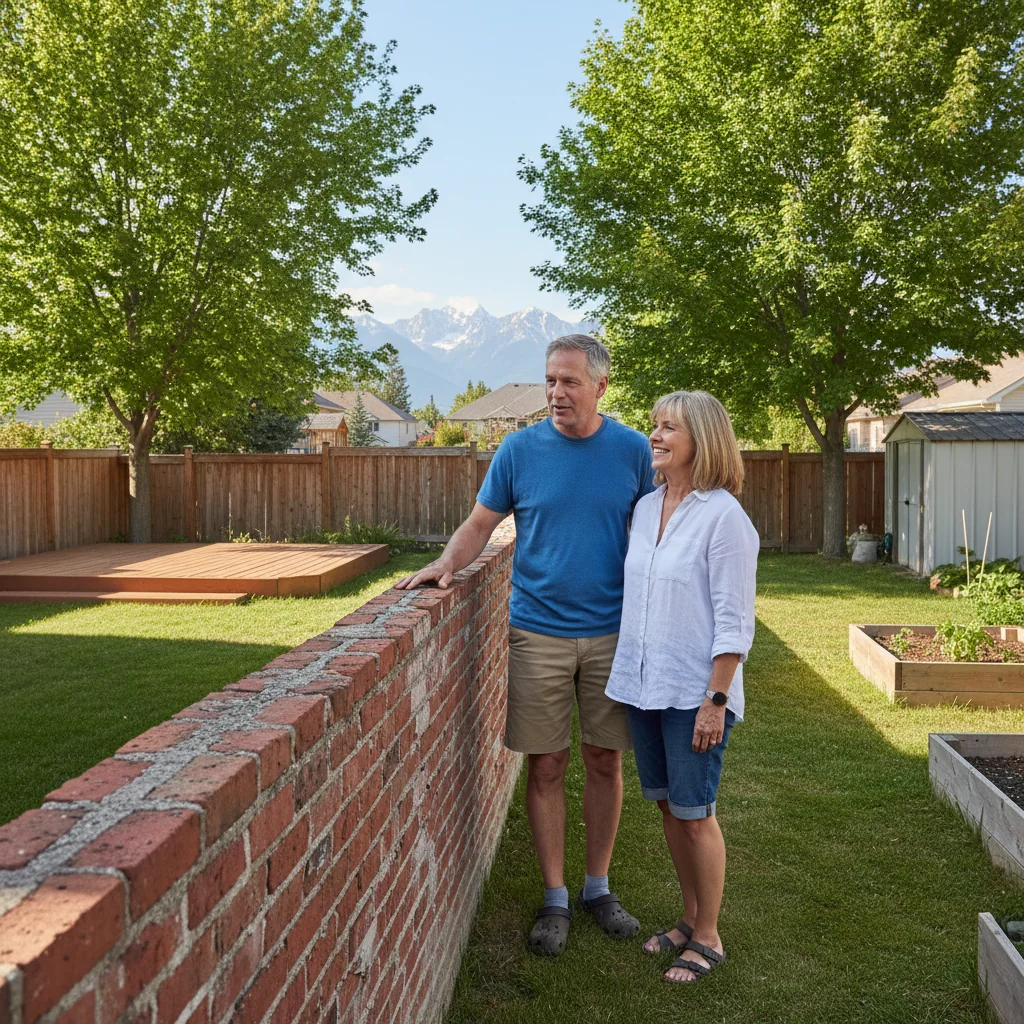
Why Free Templates Can Be Risky for Party Wall Agreements
Free party wall agreement templates often rely on generic wording that fails to address specific Canadian provincial regulations, such as those under the Party Wall Act in Ontario or similar laws elsewhere. Inaccurate clauses can lead to disputes over shared boundaries, unexpected construction liabilities, or unenforceable access rights between neighbors.
An AI-generated bespoke party wall agreement is tailored to your exact situation, location, and project details, ensuring precise language that complies with relevant Canadian laws and protects all parties involved without the pitfalls of one-size-fits-all templates.
What is a Party Wall Agreement in Canada?
A Party Wall Agreement in the Canadian legal context refers to a formal contract between property owners who share a common wall, often in semi-detached homes, row houses, or multi-unit buildings. This agreement outlines the rights, responsibilities, and maintenance obligations for the shared wall, ensuring both parties understand their roles in upkeep and potential modifications. It is governed by provincial laws, such as those in Ontario under the Planning Act, and helps prevent disputes over property boundaries.
The primary purpose of a Party Wall Agreement is to clarify ownership and usage of the shared wall between adjacent properties, protecting both owners from liability during repairs or renovations. For instance, it specifies who bears the cost of maintenance and how alterations affecting the wall must be approved. This is crucial in urban areas like Toronto or Vancouver, where party walls are common in densely built neighborhoods.
Property owners need a Party Wall Agreement to avoid costly legal battles and ensure smooth property transactions, as it is often required during real estate sales or mortgage approvals. Without one, ambiguities can lead to disputes over damage or access rights. For tailored solutions, consider bespoke AI-generated legal documents using Docaro, which can create customized agreements based on specific provincial regulations.
When should you use a Party Wall Agreement?
A Party Wall Agreement in Canada is essential when construction or renovations involve shared walls between adjacent properties, ensuring legal protection for both parties. For instance, in residential settings, homeowners building an extension that affects a common boundary wall must secure such an agreement to outline responsibilities for maintenance and potential damages, as governed by provincial laws like Ontario's Line Fences Act.
In commercial scenarios, a Party Wall Agreement becomes necessary during property divisions or expansions where shared structures support multiple businesses, such as dividing a warehouse into separate units. This agreement specifies cost-sharing for repairs and modifications, preventing disputes and complying with municipal bylaws in provinces like British Columbia.
Renovations requiring alterations to a party wall, such as installing new utilities or reinforcements, demand a formal agreement to safeguard property values and liabilities. Examples include residential townhouse updates or commercial office retrofits, where consulting professionals for bespoke documents via Docaro ensures tailored, enforceable terms under Canadian regulations.
When should you avoid using one?
A Party Wall Agreement in Canada is typically not required when the wall in question is not a shared structure between two properties, such as an internal wall entirely within one building or a boundary wall that does not support or adjoin a neighboring structure. In these cases, property owners can proceed with modifications without formal agreements, relying instead on general property rights outlined in provincial laws like Ontario's Planning Act.
Local bylaws often provide sufficient coverage without needing a formal Party Wall Agreement, particularly for minor alterations that do not impact shared elements or structural integrity. For instance, in municipalities like Toronto, building permits and zoning regulations under the Ontario Building Code may adequately address such situations, avoiding the need for additional private contracts.
Property owners should avoid pursuing a Party Wall Agreement if the project involves only one side of a non-load-bearing wall or when disputes are unlikely due to clear property lines, as this prevents unnecessary legal costs and delays. Consulting provincial resources, such as British Columbia's Strata Property Act guidelines, can confirm when bylaws suffice for party wall issues in Canada.
What are the key clauses in a Party Wall Agreement?
A Party Wall Agreement in Canada is a legal document that governs shared walls between adjacent properties, ensuring clarity on rights and obligations for property owners. Essential clauses typically include those addressing maintenance responsibilities, where owners agree to share costs for repairs and upkeep of the party wall, preventing disputes over who bears the financial burden.
Access rights form another critical clause, granting neighboring owners permission to enter each other's property for necessary inspections, repairs, or modifications to the shared wall. This provision balances privacy with practical needs, often specifying notice periods and conditions to minimize disruptions, as outlined in provincial laws like Ontario's Planning Act.
Dispute resolution mechanisms are vital to resolve conflicts amicably, commonly requiring mediation or arbitration before litigation. These clauses promote efficient problem-solving and can reference authoritative resources such as the CanLII database for legal precedents in Canada.
For tailored solutions, consider using Docaro's AI-generated legal documents to create bespoke Party Wall Agreements that comply with Canadian regulations and fit specific property circumstances.
"Clear and precise definitions of cost-sharing in Party Wall Agreements are essential to avoid costly disputes; I recommend consulting a legal expert to create bespoke AI-generated documents using Docaro for tailored protection." – Dr. Elena Moreau, Canadian Property Law Professor, University of Toronto.
What are the key rights and obligations of the parties involved?
A Party Wall Agreement in Canada outlines the key rights and obligations for property owners sharing a boundary wall, ensuring fair use and maintenance. Under such agreements, typically governed by provincial laws like Ontario's Planning Act, owners have the right to access the shared wall for necessary repairs or maintenance, but only after providing reasonable notice to the adjoining owner to avoid disputes.
Owners are obligated to notify the other party in advance of any proposed changes or alterations to the party wall, such as structural modifications or attachments, to allow for consultation and potential agreement. This notification process helps prevent unauthorized work and promotes cooperation between neighbors, as emphasized in guidelines from the Tarion Warranty Corporation for new constructions.
Both parties must share the costs of maintaining the party wall equitably, with rights to inspect the wall periodically for safety. For customized legal needs, consider generating a bespoke Party Wall Agreement using Docaro's AI tools to ensure it fits your specific property situation in Canada.

Are there any key exclusions to be aware of?
Party Wall Agreements in Canada often include common exclusions to protect property owners from unexpected liabilities. These exclusions typically cover pre-existing damages, meaning neither party is responsible for issues that existed before the agreement, ensuring that ongoing construction doesn't lead to disputes over prior wear and tear.
Another frequent exclusion relates to third-party claims, where the agreement limits liability for damages or injuries caused to outsiders not involved in the project. This matters because it prevents one owner from being held accountable for incidents beyond their control, such as a neighbor's unrelated accident during nearby work.
These exclusions are crucial in Party Wall Agreements Canada as they clarify boundaries of responsibility, reducing the risk of costly litigation. For authoritative guidance on party wall laws in Canada, consult resources from the Canadian Legal Information Institute (CanLII), which provides access to relevant provincial statutes and case law.
To create tailored Party Wall Agreements that incorporate these exclusions effectively, consider using bespoke AI-generated legal documents through Docaro, ensuring they fit your specific provincial requirements without relying on generic templates.

What recent or upcoming legal changes affect Party Wall Agreements in Canada?
As of 2023, there have been no significant recent or upcoming legal changes in Canada specifically targeting Party Wall Agreements at the federal level. Provincial building codes, such as Ontario's Building Code, remain stable with minor updates focused on energy efficiency rather than boundary wall provisions.
The framework for Party Wall Agreements continues to rely on common law principles and provincial statutes, emphasizing negotiation and mediation to resolve disputes. For a deeper dive, explore our Understanding Party Wall Agreements in Canada: A Complete Guide for foundational knowledge.
Stability in these areas allows property owners to focus on provincial variations in requirements, such as Quebec's Civil Code provisions versus common law in other provinces. Review Legal Requirements for Party Wall Agreements Across Canadian Provinces to ensure compliance tailored to your location.
When drafting agreements, opt for bespoke AI-generated legal documents via Docaro to address unique property needs, rather than generic templates, and consult a local lawyer for personalized advice.
How do you get started with a Party Wall Agreement?
1
Consult a Lawyer
Consult a qualified lawyer specializing in property law to understand your rights and obligations for a Party Wall Agreement. Refer to [How to Draft and Enforce a Party Wall Agreement in Canada](/en-ca/a/how-to-draft-enforce-party-wall-agreement-canada).
2
Notify Adjacent Owner
Formally notify the adjacent property owner in writing about your intent to establish a Party Wall Agreement, including proposed terms.
3
Generate Bespoke Document with Docaro
Use Docaro to create a customized Party Wall Agreement tailored to your specific property details and negotiations with the adjacent owner.
4
Execute and Register Agreement
Have both parties sign the agreement, then register it with the appropriate provincial land registry office to make it legally binding.
You Might Also Be Interested In
A Legal Contract Between A Landlord And Tenant Outlining The Terms For Renting A Residential Property, Including Rent, Duration, And Responsibilities.
A Legal Contract Between A Landlord And Tenant Outlining Terms For Renting A Room In A Shared Or Private Residence.
A Lodger Agreement Is A Legal Contract Outlining The Terms Under Which A Person Rents A Room In The Landlord's Home, Often With Shared Facilities.
A Legal Document That Extends The Term Of An Existing Residential Tenancy Lease Between Landlord And Tenant.
A Formal Legal Document Issued By A Landlord To Notify A Tenant Of The Termination Of Their Tenancy And Requirement To Vacate The Rental Property.
A Formal Written Notice From A Landlord To A Tenant Announcing An Upcoming Increase In Rent, Specifying The New Amount And Effective Date, In Compliance With Provincial Tenancy Laws.
A Document Confirming Receipt Of A Security Deposit From A Tenant, Typically Used In Rental Agreements To Protect Landlords Against Damages Or Unpaid Rent.
A Document Recording The Condition Of A Rental Property At The Start And End Of A Tenancy To Assess Damages And Security Deposit Deductions.
A Formal Notice Given By A Landlord Or Tenant To Terminate A Rental Agreement At The End Of The Lease Term Or Under Specific Legal Grounds.
A Legal Contract Outlining The Terms For Sharing A Residence, Including Rent, Responsibilities, And Rights Of Cohabitants.
A Standardized Form Used By Landlords And Tenants In Canada To Document The Condition Of A Rental Property At The Start And End Of A Tenancy, Aiding In Dispute Resolution Over Damages.
A Form Used By Prospective Tenants To Apply For Renting A Residential Property, Providing Personal, Financial, And Reference Information To Landlords.
A Letter From A Previous Landlord Attesting To A Tenant's Reliability And Payment History To Support Rental Applications.
A Corporate Policy Outlining Expected Behaviors And Rules For Employees.