
AI Generated Agreement of Purchase and Sale for use in Canada
PDF & Word - 2026 Updated

Generate a customized Agreement of Purchase and Sale for real estate transactions in Canada using our advanced AI tool, ensuring compliance with provincial laws and streamlined document creation.
Free instant document creation.
Tailored to Canada law.
No sign up or monthly subscription.
Docaro Pricing
Basic
Free
Document Generation
No Sign Up
No Subscription
Download Watermarked PDF
Premium
$4.99 USD
Document Generation
No Sign Up
No Subscription
Download Clean PDF
Download Microsoft Word
Download HTML
Download Text
Email Document
Generate your document for free. Only pay if you like the result and need an un-watermarked version.
When Do You Need an Agreement of Purchase and Sale in Canada?
- Buying or Selling PropertyYou need this agreement when buying or selling real estate like homes, land, or commercial buildings to outline the deal's key details.
- Agreeing on Price and PaymentIt sets the purchase price, payment terms, and any deposits to ensure everyone understands the financial side of the transaction.
- Specifying Closing DetailsThe document covers the closing date, property handover, and other timelines to keep the process organized and on track.
- Protecting Against DisputesA clear agreement helps prevent misunderstandings or arguments by putting all terms in writing upfront.
- Including Conditions and ProtectionsIt allows for conditions like home inspections or financing approvals, safeguarding both buyer and seller if issues arise.
- Ensuring Legal ComplianceHaving a well-drafted agreement ensures it meets Canadian legal standards, reducing risks and providing peace of mind.
Canadian Legal Rules for an Agreement of Purchase and Sale
- Provincial JurisdictionReal estate agreements are governed by the laws of the province or territory where the property is located, so rules can vary across Canada.
- Written Form RequiredThe agreement must be in writing to be legally binding, including key details like price, property description, and closing date.
- Offer and AcceptanceA valid agreement forms when one party makes a clear offer and the other accepts it without changes.
- Key Terms to IncludeEssential elements cover the purchase price, deposit amount, conditions for inspection or financing, and possession date.
- Conditions and ContingenciesBuyers often include protective clauses allowing them to back out if home inspections, financing, or title issues arise.
- Deposit ProtectionA deposit from the buyer is held in trust and can be refunded or forfeited based on whether the deal proceeds.
- Closing ProcessThe deal finalizes on the closing date when ownership transfers, funds are exchanged, and keys are handed over.
- Professional Advice RecommendedIt's wise to have a real estate lawyer review the agreement to ensure it meets local laws and protects your interests.
Important
Using the wrong structure for a sale and purchase agreement can lead to unenforceable terms or unintended liabilities under Canadian law.
What a Proper Agreement of Purchase and Sale Should Include
- Parties InvolvedClearly identifies the buyer and seller with their full names and contact details.
- Property DescriptionProvides a detailed description of the property being sold, including its address and key features.
- Purchase PriceStates the total price and how it will be paid, such as in a lump sum or installments.
- Deposit AmountSpecifies the initial deposit the buyer provides as a sign of commitment.
- Closing DateSets the date when ownership transfers and the final payment is due.
- Conditions and ContingenciesOutlines any requirements that must be met for the sale to proceed, like home inspections or financing approval.
- Inclusions and ExclusionsLists what items are included in the sale, such as appliances, and what the seller takes away.
- Warranties and RepresentationsConfirms the seller's assurances about the property's condition and any known issues.
- Closing CostsDetails who pays for fees like legal costs, taxes, and title transfer expenses.
- SignaturesRequires signatures from both parties to make the agreement legally binding.
Why Free Templates Can Be Risky for Agreement of Purchase and Sale
Most free templates for agreements of purchase and sale are generic and fail to account for Canadian-specific laws, such as provincial real estate regulations or tax implications. Using incorrect wording can lead to unenforceable clauses, disputes over property conditions, or unintended liabilities for sellers and buyers.
An AI-generated bespoke document tailors the agreement to your specific transaction details, location in Canada, and unique terms, ensuring comprehensive coverage of all relevant legal elements for a secure and customized sale and purchase process.
Generate Your Document in 4 Easy Steps
1
Answer a Few Questions
Our AI guides you through the info required.
2
Generate Your Document
Docaro builds a bespoke document tailored specifically on your requirements.
3
Review & Edit
Review your document and submit any further requested changes.
4
Download & Sign
Download your ready to sign document as a PDF, Microsoft Word, Txt or HTML.
Why Use Our Docaro?
Fast Generation
Quickly generate a comprehensive Agreement of Purchase and Sale, eliminating the hassle and time associated with traditional document drafting.
Guided Process
Our user-friendly platform guides you step by step through each section of the document, providing context and guidance to ensure you provide all the necessary information for a complete and accurate Agreement of Purchase and Sale.
Safer Than Legal Templates
We never use legal templates. All documents are generated from first principles clause by clause, ensuring that your document is bespoke and tailored specifically to the information you provide. This results in a much safer and more accurate document than any legal template could provide.
Professionally Formatted
Your Agreement of Purchase and Sale will be formatted to professional standards, including headings, clause numbers and structured layout. No further editing is required. Download your document in PDF, Microsoft Word, TXT or HTML.
Tailored to Canadian Law
Our AI model considers the latest legal standards and regulations of Canada during the drafting process.
Cost-Effective
Generate and download a watermarked version of your document for free. Pay only if you want to remove the watermark and gain full access to your document. No monthly subscriptions or hidden fees. Pay once and use your document forever.
No Sign Up or Monthly Subscription Required
No payment or sign up is required to start generating your Agreement of Purchase and Sale.
Need to Generate a Agreement of Purchase and Sale in a Different Country?
Choose country: Canada
CanadaUseful Resources When Considering a Agreement of Purchase and Sale in Canada
WWW2.GOV.BC.CA
LAWS-LOIS.JUSTICE.GC.CA
LAWSOCIETY.BC.CA
ALBERTA.CA
BCREA.BC.CA
CONDOAUTHORITYONTARIO.CA
ALBERTA.CA
JUSTICE.GC.CA
Canada Reference Legislation
The following legislation is relevant to the generation of a Agreement of Purchase and Sale in Canada:
•
Governs contracts for the sale of goods, including formation, rights, duties, and remedies in sales transactions across Canadian provinces.
•
Regulates security interests in personal property, relevant to financing and security provisions in sale and purchase agreements.
•
Provides the framework for land ownership, transfers, and registration in sale and purchase agreements for real property.
•
Regulates anti-competitive practices, applicable to mergers, acquisitions, and certain sale agreements under federal jurisdiction.
•
Imposes GST/HST on taxable supplies, including goods and services in sale and purchase agreements.
Agreement of Purchase and Sale FAQs
A Sale and Purchase Agreement, also known as an Agreement of Purchase and Sale (APS), is a legally binding contract between a buyer and seller for the transfer of property, goods, or assets in Canada. It outlines terms like price, conditions, timelines, and warranties to protect both parties.
Document Generation FAQs
Docaro is an AI-powered legal and corporate document generator that helps you create fully formatted, legal contracts and agreements in minutes. Just answer a few guided questions and download your document instantly.
You Might Also Be Interested In
A Legal Contract Outlining The Terms Under Which A Consultant Provides Professional Services To A Client.
A Contract Outlining Rights, Obligations, And Governance Among Shareholders Of A Corporation.
A Legal Contract Outlining The Terms, Rights, And Obligations Of Partners In A Business Partnership.
An Internal Agreement Outlining The Ownership, Management, And Operational Rules For A Limited Liability Company.
A Legal Document Filed To Establish A Corporation, Outlining Its Basic Structure, Name, Purpose, And Share Details.
Corporate Bylaws Are Internal Rules Governing The Operations, Management, And Procedures Of A Corporation.
A Legal Contract Outlining The Terms For Buying And Selling Shares Of A Company.
A Formal Decision Or Action Approved By The Board Of Directors Of A Company.
A Founders' Agreement Is A Legal Contract Among Startup Founders Outlining Ownership, Roles, Responsibilities, Equity Distribution, And Dispute Resolution.
A Legal Contract Outlining The Terms For Buying And Selling Specific Assets Between Parties.
A Legal Contract Outlining The Terms For Selling A Business, Including Assets, Liabilities, And Payment Details.
A Legal Document That Alters The Terms Of A Will Or Trust After The Testator's Death, Redistributing Assets Among Beneficiaries.
A Legal Document Acknowledging Payment Received For Goods Or Services, Often Including Details Like Amount, Date, And Parties Involved.
A Formal Invoice Is A Legal Document Issued By A Seller To A Buyer Detailing The Goods Or Services Provided, The Quantity, Agreed Prices, And Total Amount Due For Payment.
A Service Agreement Is A Contract Outlining The Terms Under Which One Party Provides Services To Another, Including Scope, Payment, And Responsibilities.
A Legal Document Used To Transfer Ownership Of Shares Or Stocks From One Party To Another.
A Legal Document Outlining Measures To Protect Individuals, Especially Vulnerable Groups Like Children Or Employees, From Harm, Abuse, Or Exploitation.
A Non-binding Document Outlining Preliminary Terms And Intentions For A Potential Business Or Legal Agreement.
Related Articles
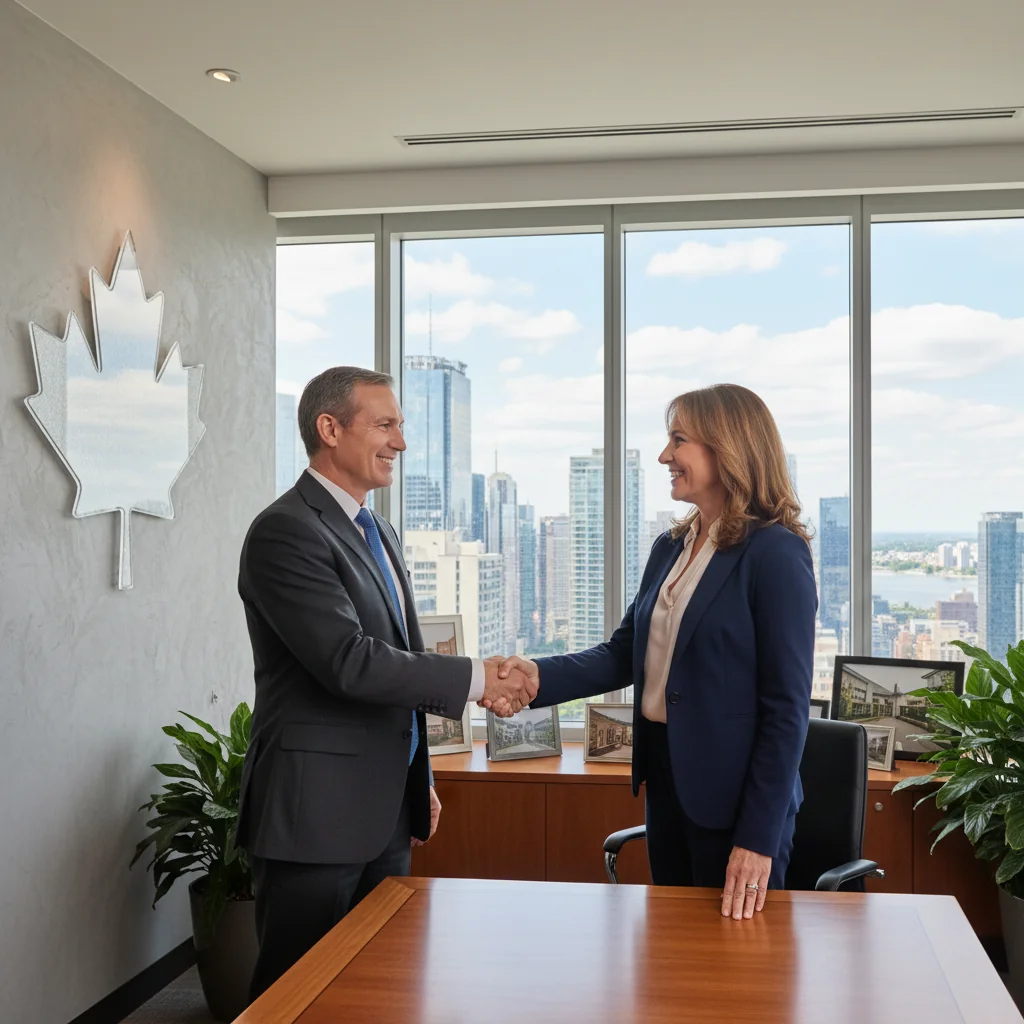
Discover key elements of Canadian real estate purchase and sale agreements for buyers and sellers.
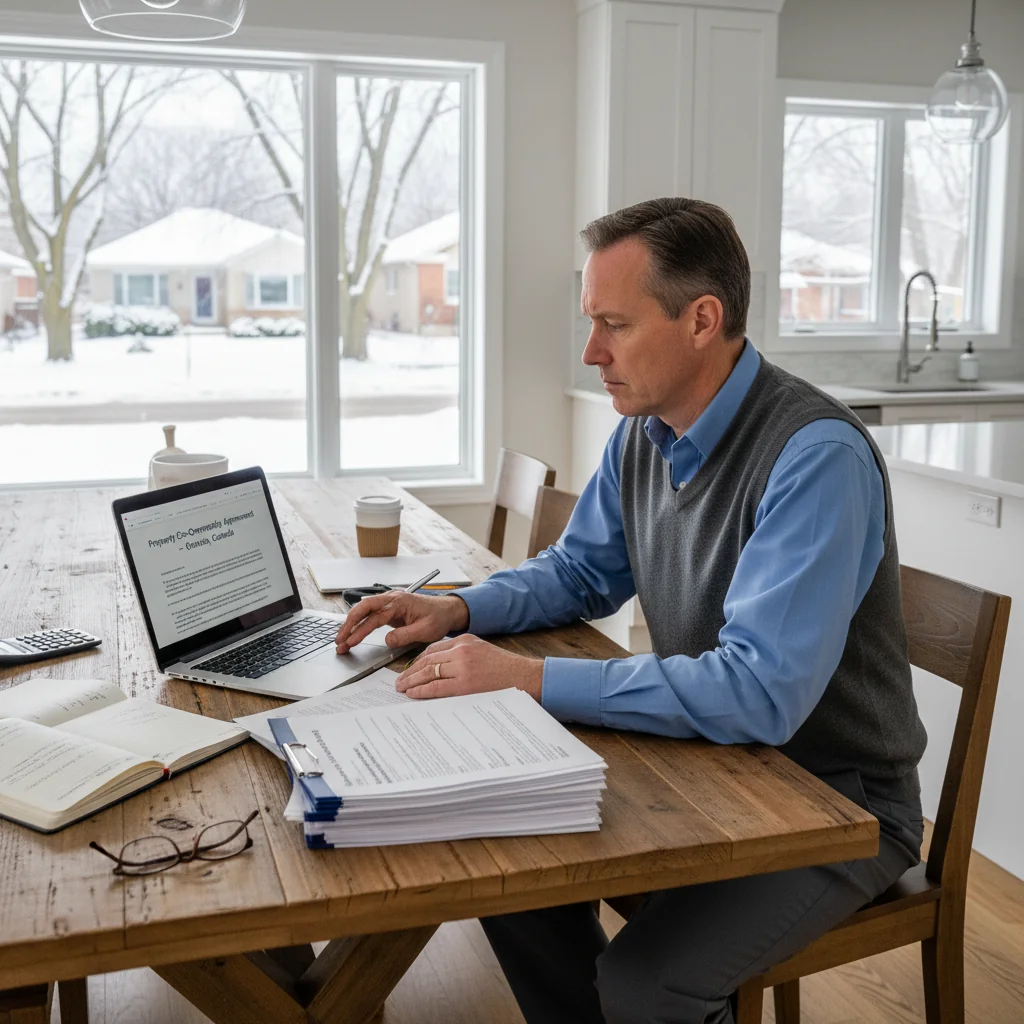
Discover common mistakes in Canadian real estate agreements and expert tips to protect your interests for smooth transactions.

Master negotiating purchase and sale agreements. Learn key strategies, avoid pitfalls, and ensure successful real estate or business deals.