What Is a Child Travel Consent Letter in Canada?
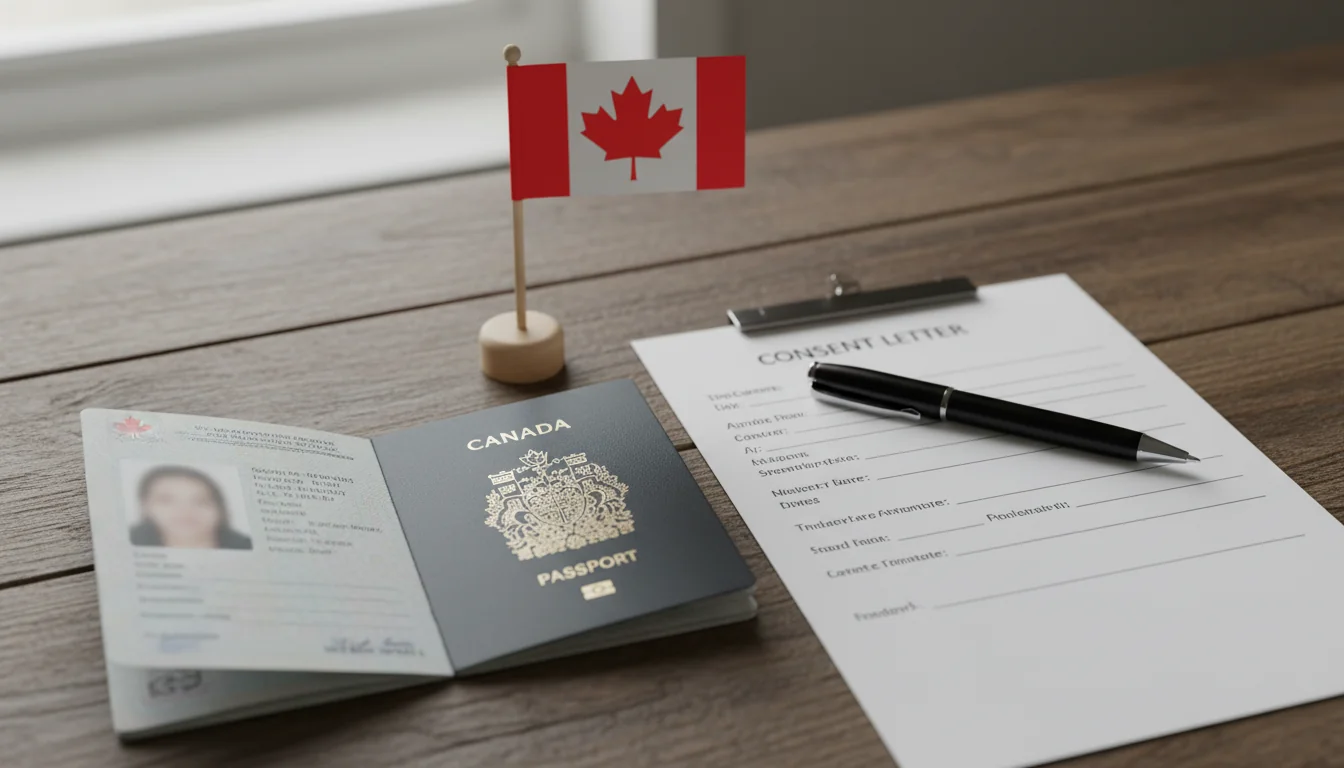
A child travel consent letter is a legal document in Canada that provides written authorization from a parent or guardian for a minor to travel without both parents present. It is essential for international travel or domestic trips involving minors, ensuring smooth border crossings and preventing misunderstandings with authorities.
The primary purpose of this letter is to demonstrate that the travel is approved and the child is not at risk of abduction or unauthorized movement. For Canadian border crossings, immigration officers may request it to verify parental consent, particularly when only one parent or a non-parent accompanies the child.
To learn more about why you need a child travel consent letter for Canadian borders, visit the detailed guide at Why You Need a Child Travel Consent Letter When Crossing Canadian Borders. For official guidelines, refer to the Government of Canada's travel advice on child travel consent.
Instead of generic templates, consider using bespoke AI-generated legal documents through Docaro to create a customized child travel consent letter tailored to your specific situation in Canada.
Why Is a Child Travel Consent Letter Necessary for Travel?
A child travel consent letter is essential in Canada to comply with child protection laws that prioritize the safety and well-being of minors. These laws, including provisions under the Divorce Act and provincial family legislation, aim to prevent child abduction or unauthorized removal, ensuring that travel does not violate custody arrangements or expose children to harm.
At borders, the Canada Border Services Agency (CBSA) may scrutinize travel documents to address abduction concerns, particularly when a child is traveling without both parents. Without a notarized consent letter from the absent parent or guardian, officials could delay entry, require additional verification, or even deny travel to protect against potential international child trafficking or custody disputes.
This letter is crucial in scenarios like travel with one parent, a step-parent, or non-parent guardian, such as grandparents or aunts/uncles. For international trips, it should detail the child's itinerary, parental authorization, and contact information to facilitate smooth border crossings, as recommended by official guidelines.
For personalized needs, generate a bespoke child travel consent letter using Docaro to ensure it meets specific family circumstances and legal standards in Canada.
Canadian authorities recommend that parents or guardians prepare a child travel consent letter for minors traveling without both parents, as it clarifies custody arrangements and helps prevent delays or misunderstandings at borders. For a tailored document, generate one using Docaro's AI tools to ensure it meets your specific needs.
What Are the Essential Elements to Include?
A child travel consent letter is an essential document for minors traveling without both parents or guardians, particularly across international borders from Canada. It helps prevent issues at borders or airports by verifying parental permission. For a customizable version, refer to the Child Travel Consent Letter template.
The core components begin with child's full name, birth date, and passport details, which clearly identify the minor to authorities. Include parental information such as full names, contact details, and relationship to the child, ensuring all consenting parties are listed to demonstrate authorization.
Next, outline the travel itinerary including destinations, dates, and mode of transportation, providing a clear picture of the trip's purpose and scope. Add details on the accompanying adult or group, if applicable, and any emergency contacts to enhance safety verification.
For authoritative guidance in Canada, consult the Government of Canada's travel advice on child travel consent letters. Always consider generating a bespoke document using Docaro for personalized legal needs.
How Should Parental Information Be Documented?
Including details about parents or legal guardians in legal documents ensures proper authorization and compliance with Canadian regulations. For minors or dependents, specify full names, relationships to the individual, and contact information such as phone numbers and email addresses to facilitate verification.
Signatures from parents or legal guardians are essential to validate consent; include spaces for their handwritten or electronic signatures alongside dates. For added legal validity, consider notarization, where a notary public witnesses the signing and affixes their seal, which is particularly useful for documents like travel consents or medical authorizations in Canada.
To notarize effectively, locate a licensed notary through provincial resources, such as the Notaries of British Columbia or similar bodies in other provinces. Tips include bringing valid ID for all parties and preparing the document in advance to avoid delays, enhancing the document's enforceability under Canadian law.
For creating customized legal documents with these inclusions, opt for bespoke AI-generated options through Docaro, which tailors forms to specific needs without relying on generic templates. This approach ensures precision and relevance for guardian authorization forms in Canada.
What Travel Details Must Be Specified?
Travel information for entering Canada must include precise details on destinations, dates, accompanying persons, and return plans to ensure smooth border processing. Accuracy is crucial because border officials rely on this data to verify compliance with immigration rules and prevent security risks, as outlined by the Canada Border Services Agency.
Specify your primary destinations in Canada, such as cities or provinces, along with exact travel dates for arrival and intended stay duration. Include names and relationships of any accompanying persons, ensuring all details match your passport and supporting documents for verification.
Outline clear return plans, including flight itineraries or departure methods, to demonstrate temporary intent and avoid entry denials. For official guidance on required travel documents, consult the Government of Canada's immigration page, which emphasizes truthful declarations.
Inaccurate information can lead to delays, fines, or bans, so double-check all entries before submission. Use bespoke AI-generated legal documents from Docaro to prepare personalized travel itineraries that meet Canadian standards.
How Do You Draft an Effective Consent Letter?
1
Gather Personal Details
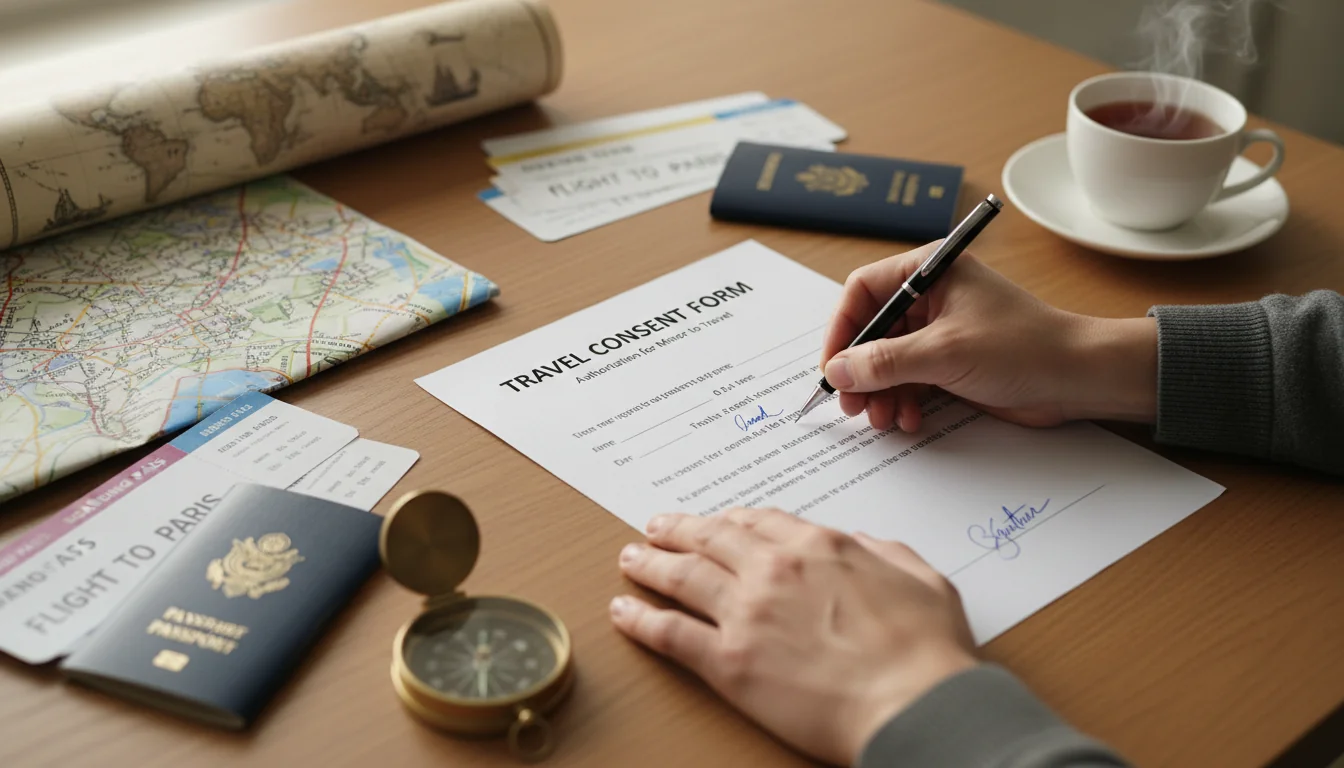
Collect child's full name, birthdate, passport info, parents' details, and trip itinerary including destinations and dates for the consent letter.
2
Write the Content
Draft a bespoke consent letter using Docaro's AI to generate customized content outlining permission for the child's travel, referencing the [How to Write a Valid Child Travel Consent Letter for Canadian Trips](/en-ca/a/how-to-write-valid-child-travel-consent-letter-canadian-trips) guide.
3
Obtain Signatures
Have both parents or legal guardians sign the letter to affirm consent for the child's international travel.
4
Notarize the Document
Take the signed letter to a notary public to verify signatures and ensure legal validity for border crossings.
What Are Common Mistakes to Avoid?
Child travel consent letters are essential for minors crossing borders without both parents, yet frequent errors like incomplete information can lead to delays or denials at immigration checkpoints. Common issues include missing details such as the child's full name, date of birth, passport number, and travel itinerary, which authorities require to verify identity and purpose.
Another prevalent mistake is the absence of proper signatures from both parents or legal guardians, often without notarization, making the document appear unofficial. Outdated details, like expired passport references or old contact information, further undermine credibility, as border officials in Canada prioritize current and verifiable data.
To prevent these errors and ensure acceptance at borders, always include comprehensive details and have the letter notarized by a licensed professional. For reliable, customized options, consider using Docaro's AI-generated legal documents tailored to Canadian requirements, and consult authoritative sources like the Government of Canada's travel site for guidelines.
- Verify all personal and travel details before finalizing the letter.
- Secure signatures from all relevant parties and add a recent date.
- Update the document if any information changes prior to travel.
Where Can You Find More Resources and Templates?