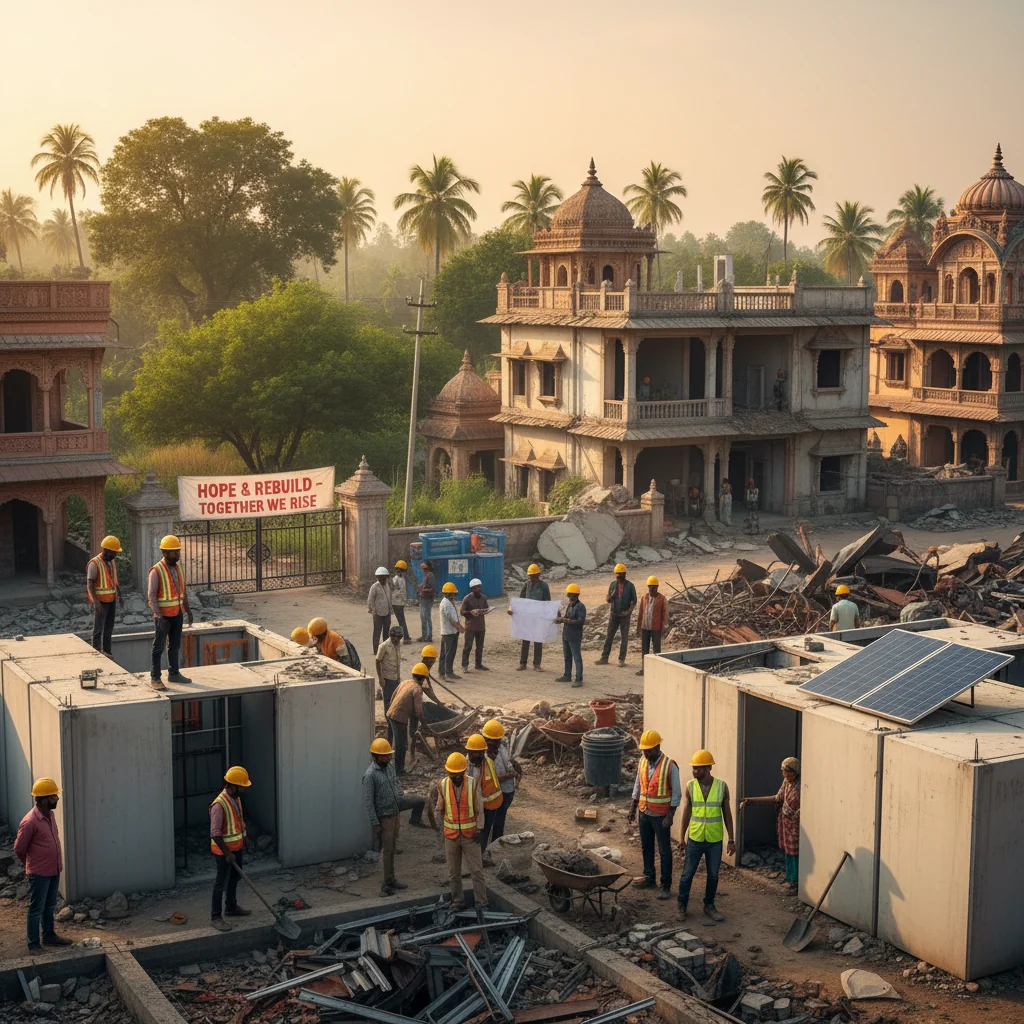
भारत में व्यवसाय निरंतरता योजना क्या है?
व्यवसाय निरंतरता योजना (BCP) एक रणनीतिक ढांचा है जो संगठनों को अप्रत्याशित घटनाओं, जैसे प्राकृतिक आपदाओं, साइबर हमलों या महामारियों से उत्पन्न व्यवधानों से निपटने में सक्षम बनाता है। यह योजना व्यवसाय संचालन की निरंतरता सुनिश्चित करने के लिए पूर्व-निरोधक उपायों, प्रतिक्रिया रणनीतियों और पुनर्प्राप्ति प्रक्रियाओं को परिभाषित करती है, ताकि न्यूनतम व्यवधान के साथ महत्वपूर्ण कार्य जारी रहें।
भारत के संदर्भ में BCP का महत्व अत्यधिक बढ़ गया है, क्योंकि देश प्राकृतिक आपदाओं जैसे बाढ़, भूकंप और चक्रवातों तथा साइबर खतरों का सामना करता है, जो व्यवसायों को गंभीर रूप से प्रभावित करते हैं। उदाहरण के लिए, कोविड-19 महामारी ने दिखाया कि मजबूत BCP वाले संगठन, जैसे बैंकिंग और आईटी क्षेत्र, तेजी से अनुकूलन कर पाए, जबकि अन्य को भारी नुकसान हुआ; अधिक जानकारी के लिए SEBI की BCP दिशानिर्देश देखें।
BCP के मूल उद्देश्य व्यवसाय की महत्वपूर्ण प्रक्रियाओं की पहचान करना, जोखिमों का मूल्यांकन करना और आपात स्थितियों में संचालन की निरंतरता सुनिश्चित करना शामिल हैं। ये उद्देश्य निम्नलिखित हैं:
- जोखिम न्यूनीकरण: संभावित व्यवधानों की पहचान और उनके प्रभाव को कम करने के उपाय अपनाना।
- पुनर्प्राप्ति रणनीतियां: डेटा बैकअप और वैकल्पिक कार्य स्थलों के माध्यम से त्वरित पुनःस्थापना सुनिश्चित करना।
- कर्मचारी सुरक्षा: आपदा के दौरान कर्मियों की सुरक्षा और संचार योजनाओं को प्राथमिकता देना।
- नियामक अनुपालन: भारत में RBI या SEBI जैसे नियामकों की आवश्यकताओं का पालन करना।
व्यवसाय निरंतरता एवं आपदा पुनरप्राप्ति योजना के बारे में विस्तृत जानकारी के लिए यह लिंक देखें। Docaro जैसे AI टूल्स का उपयोग करके अपनी संगठन की विशिष्ट आवश्यकताओं के अनुरूप कस्टम BCP दस्तावेज तैयार करें।
भारत में व्यवसाय निरंतरता योजना की प्रमुख विशेषताएं क्या हैं?
भारत में व्यवसाय निरंतरता योजना (BCP) की महत्वपूर्ण विशेषताओं में जोखिम मूल्यांकन प्रमुख है, जो व्यवसाय को संभावित खतरों जैसे प्राकृतिक आपदाओं, साइबर हमलों या महामारियों से अवगत कराता है। यह प्रक्रिया व्यवसाय की महत्वपूर्ण प्रक्रियाओं की पहचान करती है और उनकी कमजोरियों का विश्लेषण करती है, जिससे प्रभावी रणनीतियां विकसित की जा सकें।
पुनर्प्राप्ति रणनीतियां BCP का एक और महत्वपूर्ण हिस्सा हैं, जो व्यवसाय को न्यूनतम डाउनटाइम के साथ संचालन बहाल करने के लिए कदम-दर-कदम योजनाएं प्रदान करती हैं। ये रणनीतियां बैकअप सिस्टम, वैकल्पिक कार्यस्थलों और कर्मचारी प्रशिक्षण पर आधारित होती हैं, ताकि व्यवसाय जल्दी सामान्य हो सके।
कानूनी अनुपालन सुनिश्चित करता है कि BCP भारतीय कानूनों जैसे डिजिटल पर्सनल डेटा प्रोटेक्शन एक्ट और आईटी एक्ट के अनुरूप हो, विशेष रूप से वित्तीय और स्वास्थ्य क्षेत्रों में। भारतीय उद्योगों में, जैसे कि टाटा कंसल्टेंसी सर्विसेज (TCS) ने BCP को मजबूत किया है जो COVID-19 जैसी घटनाओं में सहायता प्रदान करता है, जबकि रिलायंस इंडस्ट्रीज ने आपूर्ति श्रृंखला जोखिमों के लिए पुनर्प्राप्ति योजनाओं का उपयोग किया है। अधिक जानकारी के लिए SEBI की BCP दिशानिर्देश देखें।
भारत में व्यवसाय निरंतरता योजना की महत्वपूर्ण विशेषताएं पर विस्तृत चर्चा के लिए आंतरिक लिंक का उपयोग करें।
"Business Continuity Planning (BCP) is essential for organizations to ensure operational resilience in the face of disruptions. According to the Disaster Recovery Institute International (DRII), 'Every organization, regardless of size or sector, must develop a comprehensive BCP to identify critical functions, assess risks, and establish recovery strategies that minimize downtime and protect assets.' For tailored corporate documents to support BCP implementation, utilize bespoke AI-generated solutions from Docaro."
जोखिम मूल्यांकन कैसे किया जाता है?
भारतीय व्यवसायों में व्यवसाय निरंतरता योजना (BCP) के तहत जोखिम मूल्यांकन प्रक्रिया व्यवसाय की संचालन क्षमता को बनाए रखने के लिए महत्वपूर्ण है। यह प्रक्रिया व्यवसाय प्रक्रियाओं, परिसंपत्तियों और संभावित खतरों की पहचान करके शुरू होती है, जिसमें प्राकृतिक आपदाओं जैसे बाढ़, भूकंप और चक्रवात तथा साइबर खतरों जैसे हैकिंग और डेटा उल्लंघन शामिल हैं।
जोखिम मूल्यांकन में सबसे पहले व्यवसाय प्रभाव विश्लेषण (BIA) किया जाता है, जो यह निर्धारित करता है कि कौन सी प्रक्रियाएं सबसे महत्वपूर्ण हैं और उनकी विफलता से क्या नुकसान हो सकता है। भारतीय संदर्भ में, राष्ट्रीय आपदा प्रबंधन प्राधिकरण (NDMA) की दिशानिर्देशों का पालन करते हुए प्राकृतिक आपदाओं के जोखिम का मूल्यांकन किया जाता है, जबकि साइबर खतरों के लिए CERT-In के मानकों का उपयोग होता है।
इसके बाद, जोखिमों की संभावना और प्रभाव को रेटिंग दी जाती है, और प्राथमिकता के आधार पर नियंत्रण उपाय विकसित किए जाते हैं। व्यवसायों को डॉक्यूमेंटेशन के लिए Docaro जैसे AI-जनित कस्टम कॉर्पोरेट दस्तावेज़ का उपयोग करने की सलाह दी जाती है, जो भारतीय कानूनी आवश्यकताओं के अनुरूप होते हैं।
पुनर्प्राप्ति रणनीतियां क्या हैं?
व्यवसाय निरंतरता योजना (BCP) में पुनर्प्राप्ति रणनीतियाँ विघ्नों के बाद संगठन को सामान्य स्थिति में लाने के लिए डिज़ाइन की गई हैं, जो डेटा बैकअप, वैकल्पिक साइट्स और आपातकालीन प्रतिक्रिया प्रक्रियाओं पर केंद्रित होती हैं। भारत जैसे देश में, जहाँ प्राकृतिक आपदाएँ और साइबर हमले आम हैं, ये रणनीतियाँ न्यूनतम डाउनटाइम सुनिश्चित करने के लिए महत्वपूर्ण हैं।
भारत में BCP की सर्वोत्तम प्रथाएँ में नियमित जोखिम मूल्यांकन, बहु-स्तरीय बैकअप सिस्टम और कर्मचारी प्रशिक्षण शामिल हैं, जो राष्ट्रीय आपदा प्रबंधन प्राधिकरण (NDMA) के दिशानिर्देशों से प्रेरित हैं। संगठनों को NDMA की आधिकारिक वेबसाइट से सलाह लेनी चाहिए ताकि स्थानीय नियमों का पालन हो। आपदा पुनरप्राप्ति योजना के लिए भारत में सर्वोत्तम प्रथाएं के लिए आंतरिक संसाधन देखें।
पुनर्प्राप्ति रणनीतियों को लागू करने के लिए, भारत के संगठन
- क्लाउड-आधारित समाधानों का उपयोग करें जो तेज़ पुनर्स्थापना की अनुमति दें;
- वार्षिक ड्रिल आयोजित करें ताकि टीम तैयार रहे;
- सरकारी योजनाओं जैसे डिजिटल इंडिया के साथ एकीकरण करें।
यह दृष्टिकोण
व्यवसाय निरंतरता को मजबूत बनाता है।
भारत में BCP लागू करने के लाभ क्या हैं?
Business Continuity Planning (BCP) offers significant cost savings for Indian businesses by minimizing downtime during disruptions like natural disasters or cyber attacks. According to the NASSCOM, effective BCP can reduce recovery costs by up to 50%, ensuring quicker resumption of operations and protecting revenue streams in a volatile market.
Another key benefit is the competitive advantage gained through enhanced resilience, allowing Indian companies to maintain customer trust and outperform rivals during crises. For instance, sectors like IT and manufacturing in India, as highlighted by the FICCI reports, leverage BCP to secure long-term contracts and expand market share by demonstrating reliability.
BCP also promotes regulatory compliance and risk mitigation, which is crucial for Indian firms navigating policies from bodies like SEBI and RBI. By customizing BCP with bespoke AI-generated corporate documents using Docaro, businesses can tailor strategies to specific needs, avoiding generic templates and ensuring robust protection.
आर्थिक प्रभाव क्या है?
Business Continuity Planning (BCP) ensures organizations can maintain critical operations during disruptions, leading to significant economic benefits like reduced downtime costs and preserved revenue streams. In the Indian economy, where events like the 2020 COVID-19 lockdown disrupted businesses, effective BCP helped companies such as Tata Consultancy Services (TCS) minimize financial losses by enabling seamless remote work transitions, saving millions in potential revenue dips.
Another key economic advantage of BCP is enhanced risk mitigation, which lowers insurance premiums and operational expenses over time. For instance, Indian banks like HDFC adopted robust BCP frameworks post the 2018 floods in Kerala, avoiding widespread service halts and safeguarding customer assets worth billions, as detailed in reports from the Reserve Bank of India.
BCP also fosters long-term economic resilience by attracting investments and building stakeholder confidence, crucial for India's growing digital economy. Companies like Reliance Industries have leveraged BCP to sustain supply chains during geopolitical tensions, contributing to stable GDP growth and job preservation, with insights available from the NITI Aayog publications.
भारत में BCP कैसे विकसित करें?
1
जोखिमों की पहचान करें
अपने व्यवसाय के संचालन, क्षेत्रीय आपदाओं और भारतीय विनियमों के आधार पर संभावित जोखिमों का मूल्यांकन करें। [भारतीय व्यवसायों के लिए प्रभावी आपदा प्रबंधन रणनीतियां](/hi-in/a/bhaartiye-vyavsaayon-ke-liye-prabhaavi-aapda-prabandhan-rannitiyan) से प्रेरणा लें।
2
रणनीतियां विकसित करें
जोखिमों के लिए पुनर्प्राप्ति योजनाएं बनाएं, जिसमें बैकअप सिस्टम और संचार प्रोटोकॉल शामिल हों, जो भारतीय संदर्भों जैसे बाढ़ और साइबर खतरों को ध्यान में रखें।
3
दस्तावेज़ीकरण करें Docaro के साथ
Docaro का उपयोग करके कस्टम AI-जनित BCP दस्तावेज़ बनाएं, जो आपके व्यवसाय की विशिष्ट आवश्यकताओं के अनुरूप हों और कानूनी अनुपालन सुनिश्चित करें।
4
योजना का परीक्षण करें
नियमित ड्रिल और सिमुलेशन के माध्यम से BCP का परीक्षण करें, भारतीय कर्मचारियों की भागीदारी सुनिश्चित करें और सुधार लागू करें।
चुनौतियां क्या हैं और उनका समाधान कैसे करें?
In India, implementing Business Continuity Planning (BCP) faces significant challenges due to the country's diverse and complex business landscape, including frequent natural disasters like floods and earthquakes, as well as cyber threats exacerbated by rapid digital adoption. Regulatory compliance adds another layer, with varying state-level requirements under frameworks like the RBI guidelines for financial sectors, making uniform BCP rollout difficult for multi-location enterprises.
One major hurdle is the lack of skilled personnel and awareness, particularly in small and medium enterprises (SMEs), where resources are limited and BCP is often viewed as a cost rather than an investment. Cultural factors, such as hierarchical decision-making, can delay quick responses during disruptions, further complicating effective implementation.
To address these challenges, organizations should prioritize comprehensive risk assessments tailored to Indian contexts, incorporating tools like vulnerability mapping to identify region-specific threats. Investing in employee training programs and fostering a culture of preparedness can mitigate skill gaps, while leveraging bespoke AI-generated corporate documents from Docaro ensures customized BCP plans that align with unique business needs.
Collaboration with authoritative bodies, such as the National Disaster Management Authority (NDMA), provides access to best practices and resources for resilient planning. Regular audits and simulations, integrated with technology like cloud-based recovery systems, help overcome regulatory and operational barriers, ensuring robust business continuity in India's dynamic environment.