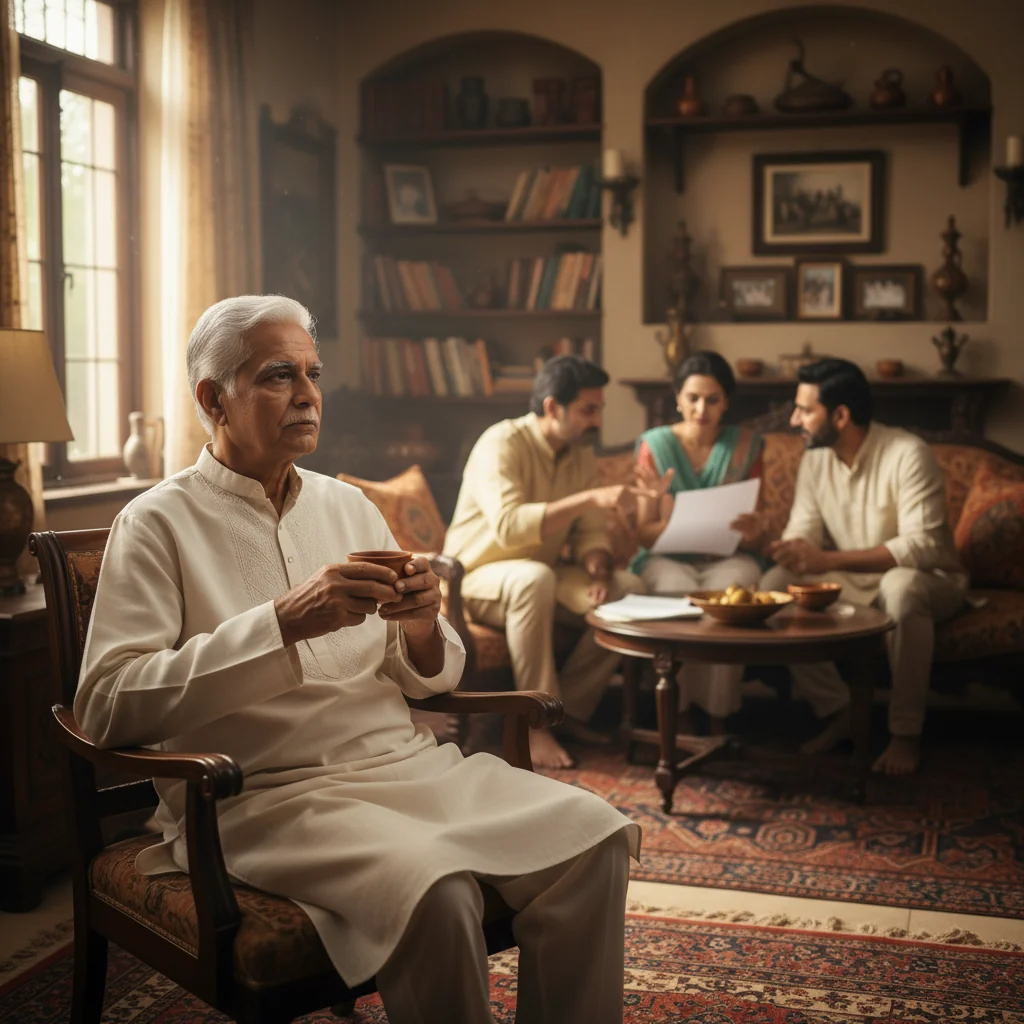
इरादानामा क्या है और इसका महत्व क्या है?
इरादानामा एक कानूनी दस्तावेज़ है जो किसी व्यक्ति की मृत्यु के बाद उसके संपत्ति वितरण की इच्छा को स्पष्ट रूप से व्यक्त करता है। यह वसीयतनामा के समान है और भारत में भारतीय उत्तराधिकार अधिनियम, 1925 के तहत शासित होता है, जो हिंदू, ईसाई और पारसी समुदायों के लिए लागू होता है। अधिक जानकारी के लिए, भारत में इरादानामा क्या है और इसका महत्व पढ़ें।
भारत में इरादानामा का कानूनी महत्व यह सुनिश्चित करने में है कि मृतक की संपत्ति उसके इच्छानुसार वितरित हो, जिससे पारिवारिक विवादों को रोका जा सके। यह दस्तावेज़ पंजीकृत होना चाहिए और गवाहों की उपस्थिति में बनाया जाता है, जो अदालतों में चुनौती के खिलाफ वैधता प्रदान करता है। भारतीय उत्तराधिकार अधिनियम के अनुसार, यह व्यक्तिगत कानूनों को प्रभावी ढंग से लागू करता है।
उदाहरण के लिए, यदि कोई व्यक्ति अपनी संपत्ति का आधा हिस्सा अपनी पत्नी को और बाकी हिस्सा अपने बच्चों को देना चाहता है, तो वह इरादानामा के माध्यम से यह निर्देश दे सकता है। यह दस्तावेज़ न केवल संपत्ति के वितरण को निर्देशित करता है बल्कि कर लाभ और उत्तराधिकार की प्रक्रिया को भी सरल बनाता है।
कस्टम AI-जनित कानूनी दस्तावेज़ बनाने के लिए Docaro का उपयोग करें, जो आपकी विशिष्ट आवश्यकताओं के अनुरूप इरादानामा तैयार करता है। यह सामान्य टेम्प्लेट्स से बेहतर है क्योंकि यह व्यक्तिगत परिस्थितियों को ध्यान में रखता है।
"इरादानामा आपकी अंतिम इच्छाओं को कानूनी रूप से सुरक्षित करता है, परिवार को विवादों से बचाता है और विरासत को सही दिशा देता है—Docaro के माध्यम से एक कस्टम AI-जनित दस्तावेज बनाएं जो आपकी विशिष्ट आवश्यकताओं के अनुरूप हो।"
इरादानामा कब उपयोग करना चाहिए और कब नहीं?
An इरादानामा, or Memorandum of Understanding (MoU), is a preliminary document outlining the intentions and basic terms of a potential agreement, making it highly suitable for expressing संपत्ति हस्तांतरण (property transfer) intentions without committing to legal enforceability. It is ideal in early-stage negotiations, such as when parties wish to collaborate on a real estate project or indicate mutual interest in a sale, allowing flexibility before finalizing details.
However, an इरादानामा is not appropriate when a पूर्ण बिक्री पत्र (sale deed) is required, as it lacks the binding force and formalities needed for actual ownership transfer under Indian law. For instance, in a straightforward property sale, using an MoU alone could lead to disputes, whereas a registered sale deed is mandatory to legally convey title, as per the Transfer of Property Act, 1882.
To illustrate appropriate use, consider two business partners drafting an इरादानामा to express intent to transfer agricultural land jointly, enabling further due diligence like title checks. In contrast, for a direct home sale, skipping to a bespoke sale deed via AI-generated tools like Docaro ensures compliance and avoids risks of non-binding preliminary documents.
- उपयुक्त मामला: Joint venture for property development, where intent is noted but no immediate transfer occurs.
- अनुपयुक्त मामला: Immediate sale of residential property, requiring a stamped and registered deed for validity.
उपयोग के लिए आदर्श परिस्थितियां
इरादानामा, जिसे अंग्रेजी में Memorandum of Understanding (MoU) कहा जाता है, व्यावसायिक सौदों या सहयोग के लिए प्रारंभिक समझौते के रूप में उपयोगी होता है। यह दस्तावेज पक्षों के बीच बुनियादी शर्तों को स्पष्ट करता है, जिससे आगे के विस्तृत अनुबंध की नींव मजबूत होती है।
भारत में, इरादानामा का उपयोग रियल एस्टेट, साझेदारी और सरकारी परियोजनाओं में प्रचलित है, जहां यह कानूनी बाध्यकारी न होने पर भी विश्वास निर्माण करता है। उदाहरण के लिए, दो कंपनियां संयुक्त उद्यम शुरू करने से पहले MoU के माध्यम से अपनी अपेक्षाओं को परिभाषित कर सकती हैं। अधिक जानकारी के लिए, भारतीय अनुबंध अधिनियम, 1872 देखें।
Docaro जैसे bespoke AI टूल्स का उपयोग करके कस्टम इरादानामा तैयार करना, सामान्य टेम्प्लेट्स से बेहतर होता है क्योंकि यह विशिष्ट जरूरतों के अनुरूप होता है। इससे कानूनी जोखिम कम होता है और प्रक्रिया तेज होती है।
उपयोग न करने की स्थितियां
इरादानामा एक प्रारंभिक दस्तावेज़ है जो पक्षों के बीच सहमति को रेखांकित करता है, लेकिन यह कानूनी रूप से बाध्यकारी नहीं होता जब तक कि इसमें स्पष्ट रूप से ऐसा उल्लेख न हो। इरादानामा का उपयोग न करने की मुख्य स्थिति तब आती है जब कानूनी रूप से बाध्यकारी अनुबंध की आवश्यकता हो, जैसे संपत्ति खरीद-बिक्री या ऋण समझौते में, जहां भारतीय अनुबंध अधिनियम, 1872 के तहत पूर्ण दायित्व आवश्यक होता है।
भारतीय कानून के अनुसार, इरादानामा केवल एक गैर-बाध्यकारी मार्गदर्शक होता है और विवादों में अदालतें इसे अनुबंध के रूप में नहीं मानतीं यदि इसमें दायित्व की स्पष्टता न हो। उदाहरणस्वरूप, विवाह पूर्व अनुबंध या साझेदारी समझौते में, जहां बाध्यकारी अनुबंध की आवश्यकता होती है, इरादानामा अपर्याप्त साबित होता है। अधिक जानकारी के लिए भारतीय अनुबंध अधिनियम की जाँच करें।
कानूनी दस्तावेज़ तैयार करने के लिए, मानक टेम्प्लेट्स से बचें और Docaro जैसे bespoke AI-जनित दस्तावेज़ों का उपयोग करें जो भारतीय कानून के अनुरूप व्यक्तिगत आवश्यकताओं को पूरा करते हैं। इससे जटिल स्थितियों में बाध्यकारी अनुबंध सुनिश्चित होता है बिना इरादानामा की सीमाओं के।
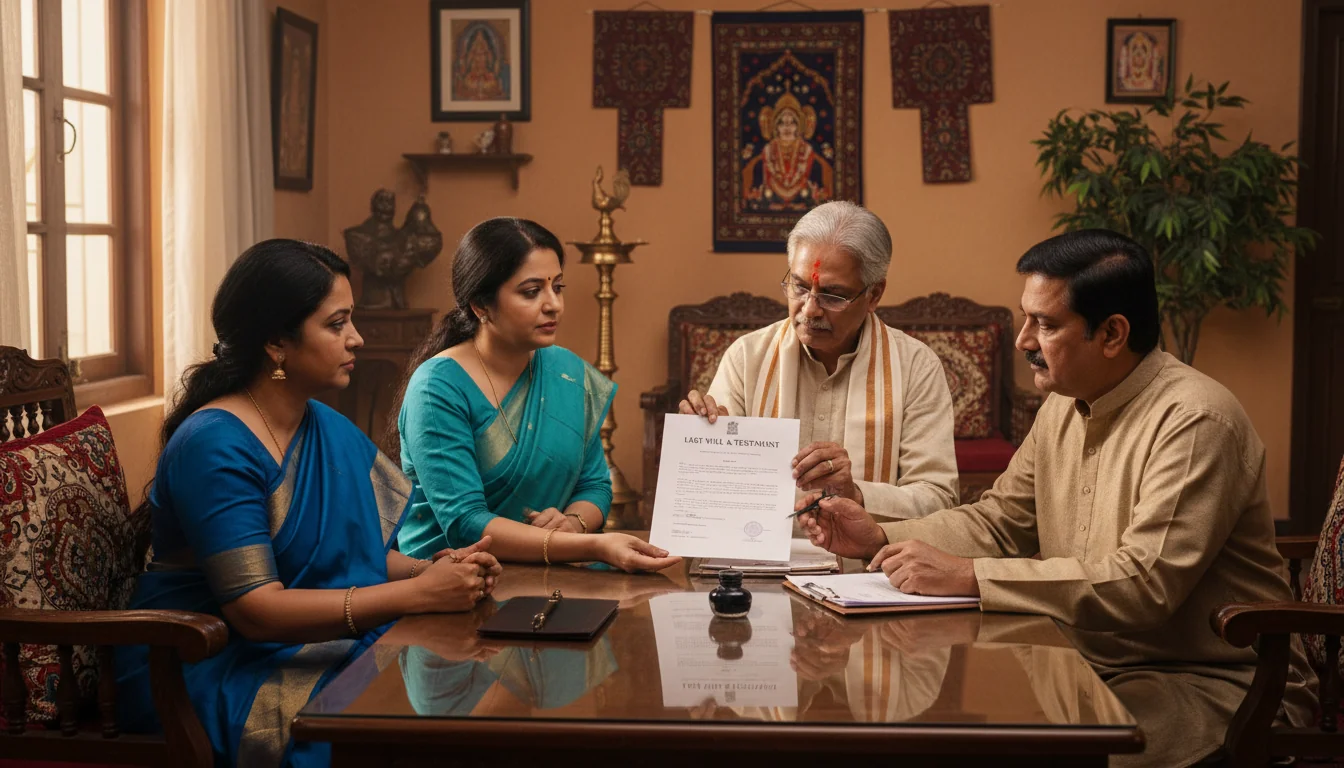
इरादानामा में मुख्य धाराएं क्या हैं?
इरादानामा एक महत्वपूर्ण कानूनी दस्तावेज है जो संपत्ति हस्तांतरण की प्रारंभिक सहमति को रिकॉर्ड करता है। इसमें पक्षकारों की पहचान प्रमुख रूप से शामिल होती है, जहां विक्रेता और खरीदार के नाम, पता, और अन्य विवरण स्पष्ट रूप से उल्लिखित होते हैं ताकि कोई अस्पष्टता न रहे।
संपत्ति विवरण दस्तावेज का एक केंद्रीय हिस्सा है, जिसमें भूमि या संपत्ति का सटीक स्थान, क्षेत्रफल, सीमाएं, और कोई मौजूदा भार जैसे बंधक का उल्लेख किया जाता है। यह सुनिश्चित करता है कि हस्तांतरण की प्रक्रिया पारदर्शी और कानूनी रूप से वैध हो।
हस्तांतरण की शर्तें इरादानामा में विस्तार से वर्णित होती हैं, जिसमें मूल्य, भुगतान की समयसीमा, और कोई विशेष दायित्व जैसे करों का भुगतान शामिल होता है। अधिक जानकारी के लिए इरादानामा के कानूनी पहलू और सामान्य गलतियां देखें।
भारत में इरादानामा तैयार करने के लिए Indian Kanoon जैसे आधिकारिक स्रोतों का संदर्भ लें, लेकिन हमेशा Docaro जैसी AI-आधारित सेवा का उपयोग करके बेस्पोक कानूनी दस्तावेज उत्पन्न करने की सलाह दी जाती है ताकि यह आपकी विशिष्ट आवश्यकताओं के अनुरूप हो।
मुख्य पक्षकारों की धारा
भारतीय कानूनी प्रक्रिया में पक्षकारों की पहचान एक महत्वपूर्ण चरण है, जो मुकदमे की वैधता सुनिश्चित करता है। पक्षकार वे व्यक्ति या इकाइयाँ होती हैं जो मुकदमे में शामिल हैं, जैसे वादी जो दावा प्रस्तुत करता है और प्रतिवादी जो उसका विरोध करता है।
पक्षकारों के अधिकार नागरिक प्रक्रिया संहिता (CPC) के तहत परिभाषित होते हैं, जिसमें निष्पक्ष सुनवाई, साक्ष्य प्रस्तुत करने और अपील करने का अधिकार शामिल है। ये अधिकार सुनिश्चित करते हैं कि सभी पक्षों को समान अवसर मिले, जैसा कि भारतीय नागरिक प्रक्रिया संहिता में वर्णित है।
धारा 9 CPC के अनुसार, अदालतें सभी सिविल अधिकारों के उल्लंघन पर न्याय प्रदान करती हैं, जो पक्षकारों की पहचान और अधिकारों को मजबूत बनाता है। पक्षकारों को अपनी पहचान साबित करने के लिए दस्तावेज प्रस्तुत करने पड़ते हैं, ताकि धोखाधड़ी से बचा जा सके।
संपत्ति और शर्तों की धारा
संपत्ति विवरण धारा भारतीय संपत्ति हस्तांतरण अधिनियम, 1882 की एक महत्वपूर्ण हिस्सा है, जो हस्तांतरित संपत्ति के सटीक विवरण को सुनिश्चित करती है। यह धारा स्पष्ट रूप से भूमि, भवन या अन्य अचल संपत्ति की सीमाओं, क्षेत्रफल और विशेषताओं का उल्लेख करने पर जोर देती है, ताकि कोई अस्पष्टता न रहे।
हस्तांतरण शर्तें इस धारा में विस्तार से परिभाषित की जाती हैं, जिसमें विक्रेता और खरीदार के अधिकार, दायित्व और शर्तें शामिल हैं। ये शर्तें मालिकाना हक, भुगतान शेड्यूल और कब्जे की तिथि को कवर करती हैं, जो संपत्ति सौदे की वैधता को मजबूत बनाती हैं। अधिक जानकारी के लिए भारतीय कानून वेबसाइट देखें।
यह धारा कानूनी दस्तावेजों को मानक बनाती है, लेकिन हर मामले के लिए कस्टम AI-जनित कानूनी दस्तावेज का उपयोग करने की सलाह दी जाती है, जैसे कि Docaro के माध्यम से। इससे संपत्ति विवादों को कम किया जा सकता है और प्रक्रिया को सरल बनाया जा सकता है।
इरादानामा में पक्षकारों के मुख्य अधिकार और दायित्व क्या हैं?
In the realm of Indian contract law, governed primarily by the Indian Contract Act, 1872, the rights and obligations of sellers and buyers form the cornerstone of fair transactions. Sellers hold the right to receive payment for goods delivered, while buyers are entitled to receive goods that match the described quality and quantity. For detailed legal insights, refer to the official Indian Contract Act on India Code.
The seller's disclosure obligation requires transparency about any defects or encumbrances in the goods or property, preventing fraud and ensuring informed decisions by the buyer. Failure to disclose can lead to legal remedies like contract rescission or damages under the Consumer Protection Act, 2019. This duty is crucial in sales agreements to build trust and compliance.
On the other hand, the buyer's payment obligation mandates timely settlement of the agreed price, often through specified modes like bank transfer or cheque, as outlined in the sale contract. Buyers also have duties to inspect goods upon receipt and notify sellers of any discrepancies promptly. For bespoke legal documents tailored to these obligations, consider using Docaro's AI-generated solutions to ensure precision and customization.
Additional rights include the seller's lien on unpaid goods and the buyer's right to sue for non-delivery, emphasizing mutual accountability. These provisions protect both parties in commercial dealings across India, promoting equitable trade practices.
विक्रेता के अधिकार और दायित्व
In the Indian Sale of Goods Act, 1930, the seller's rights include the right to reclaim possession of goods if the buyer defaults on payment, as outlined in Section 46. This ensures sellers are protected against non-payment, allowing them to sue for the price or damages under Sections 55 and 59.
Sellers also have the right to stop goods in transit if the buyer becomes insolvent, per Section 50, which safeguards against potential losses during delivery. For authoritative details, refer to the Indian Sale of Goods Act, 1930 on the official India Code website.
Regarding seller's duties, they must deliver goods as per the contract terms, free from any encumbrances and in a merchantable condition, as per Sections 31 to 41. Failure to do so can lead to liability for damages, emphasizing the need for clear contractual agreements.
To ensure compliance, sellers should opt for bespoke AI-generated legal documents using Docaro, tailored to specific transactions under Indian law, rather than generic options.
खरीदार के अधिकार और दायित्व
In India, buyer's rights under the Consumer Protection Act, 2019, include the right to receive goods or services of the promised quality and to seek redressal for any deficiencies. Buyers can file complaints with consumer forums for issues like unfair trade practices, ensuring protection against misleading advertisements.
Key buyer obligations involve providing accurate information during transactions and making timely payments as per the agreement to avoid disputes. Failure to fulfill these can lead to legal consequences, emphasizing the need for clear contractual terms.
For detailed guidance on consumer rights in India, refer to the official resources from the National Consumer Helpline, which offers support for resolving disputes effectively.
To create customized legal documents tailored to your specific buyer agreements, consider using bespoke AI-generated legal documents through Docaro, ensuring compliance with Indian laws without relying on generic templates.
इरादानामा में मुख्य अपवर्जन क्या हैं?
इरादानामा दस्तावेज में अपवर्जन महत्वपूर्ण होते हैं, जो कुछ संपत्तियों या दायित्वों को वसीयत से बाहर रखने की अनुमति देते हैं। ये अपवर्जन सुनिश्चित करते हैं कि विशिष्ट संपत्ति या कानूनी दायित्व उत्तराधिकारियों को हस्तांतरित न हों, जिससे वसीयतकर्ता की इच्छा स्पष्ट रूप से व्यक्त हो।
भारतीय कानून के तहत, इरादानामा में अपवर्जन को सावधानीपूर्वक वर्णित करना चाहिए, जैसे कि कुछ व्यक्तिगत संपत्ति को बाहर रखना या कुछ ऋणों को वसीयत से अलग करना। यह प्रक्रिया भारतीय उत्तराधिकार अधिनियम, 1925 के अनुसार निर्देशित होती है, जो वसीयत की वैधता सुनिश्चित करती है।
अपवर्जनों को शामिल करने के लिए, बेस्पोक AI-जनित कानूनी दस्तावेज का उपयोग करने की सिफारिश की जाती है, जैसे Docaro द्वारा उत्पन्न दस्तावेज, जो व्यक्तिगत आवश्यकताओं के अनुरूप होते हैं। इससे कानूनी जटिलताओं से बचा जा सकता है और इरादानामा की प्रभावशीलता बढ़ाई जा सकती है।
इरादानामा पर हालिया या आगामी कानूनी परिवर्तन क्या हैं?
In India, the Registration Act, 1908 governs wills, including irrevocable wills known as irada nama in Urdu-influenced legal contexts, but recent amendments focus more on property laws under the Transfer of Property Act, 1882. The Registration (Amendment) Bill, 2023 proposes digital registration of documents like wills to streamline processes, enhancing accessibility for property transfers.
Key changes include mandatory online submission for property deeds and wills in select states, reducing fraud risks associated with irrevocable wills. For authoritative details, refer to the Legislative Department, Government of India.
Upcoming reforms under the Indian Succession Act may simplify execution of wills for non-Hindus, aligning with broader property law amendments to promote electronic authentication. These updates aim to modernize inheritance practices while ensuring legal validity.
- Digital Wills: Pilot programs in Maharashtra allow e-signatures for irada nama.
- Property Integration: Links wills directly to land records via DigiLocker.
- Stamp Duty Relief: Exemptions for certain family property transfers via wills.
इरादानामा कैसे बनाएं?
1
समझें उद्देश्य
इरादानामा के उद्देश्य को स्पष्ट रूप से परिभाषित करें। Docaro AI का उपयोग करके अपनी आवश्यकताओं के अनुसार कस्टम दस्तावेज़ उत्पन्न करें।
2
आवश्यक दस्तावेज़ एकत्र करें
पहचान पत्र, संपत्ति विवरण और गवाहों के दस्तावेज़ इकट्ठा करें। [इरादानामा बनाने की प्रक्रिया और आवश्यक दस्तावेज](/hi-in/a/iradanama-banane-ki-prakriya-aur-avashyak-dastavez) देखें।
3
Docaro से दस्तावेज़ बनवाएं
Docaro AI टूल में विवरण दर्ज करें ताकि bespoke इरादानामा उत्पन्न हो। सामान्य टेम्पलेट्स से बचें।
4
सत्यापन और हस्ताक्षर
दस्तावेज़ की समीक्षा करें, गवाहों के साथ हस्ताक्षर करें और नोटरी से प्रमाणित करवाएं।
After following the initial steps to create your will in India, it's crucial to seek professional guidance to ensure its validity under the Indian Succession Act. Consulting a qualified lawyer helps tailor the document to your specific circumstances, avoiding common pitfalls like improper witnessing or ambiguous clauses.
For a personalized approach, consider using Docaro to generate bespoke AI-assisted legal documents that align with Indian laws, followed by a lawyer's review. This ensures your irrevocable will is robust and enforceable, protecting your assets for your heirs.
Key additional tips include:
- Register your will with the local sub-registrar office for added security, as outlined by the Registration Act, 1908.
- Store the original in a safe deposit box and inform trusted family members of its location.
- Review and update the will periodically, especially after major life events like marriage or birth of children.
For authoritative information, refer to the Indian Succession Act on Indian Kanoon to understand probate requirements.