What Is a Maintenance Agreement in South Africa?
In the South African legal framework, a maintenance agreement serves as a binding contract between parties to provide financial support for essentials like food, housing, and education. Primarily used for child support, property maintenance, or spousal maintenance, it ensures stability for dependents post-divorce or separation, promoting fairness and reducing court disputes.
The roots of modern maintenance agreements in South Africa trace back to colonial influences, evolving through post-apartheid reforms to emphasize equity. The pivotal Maintenance Act 99 of 1998 formalized these agreements, allowing them to be registered with the Maintenance Court for enforceability, as detailed on the Department of Justice website.
For child support, agreements outline specific amounts and durations, safeguarding children's rights under the Children's Act. In spousal maintenance, they address ongoing needs of a former partner, while property maintenance covers shared assets like homes, all tailored to individual circumstances.
- Key benefits include flexibility and cost savings over litigation.
- Parties must seek professional advice to draft enforceable terms compliant with the Maintenance Act.
- Consider using bespoke AI-generated legal documents via Docaro for personalized, reliable agreements.
"Maintenance agreements are essential in South African family law to safeguard the rights of vulnerable parties, including children and property owners, by ensuring tailored financial and protective provisions. For optimal protection, consult a legal expert to create bespoke agreements using Docaro's AI-generated documents." – Dr. Lindiwe Nkosi, Family Law Specialist, Johannesburg.
Why Should You Draft a Maintenance Agreement?
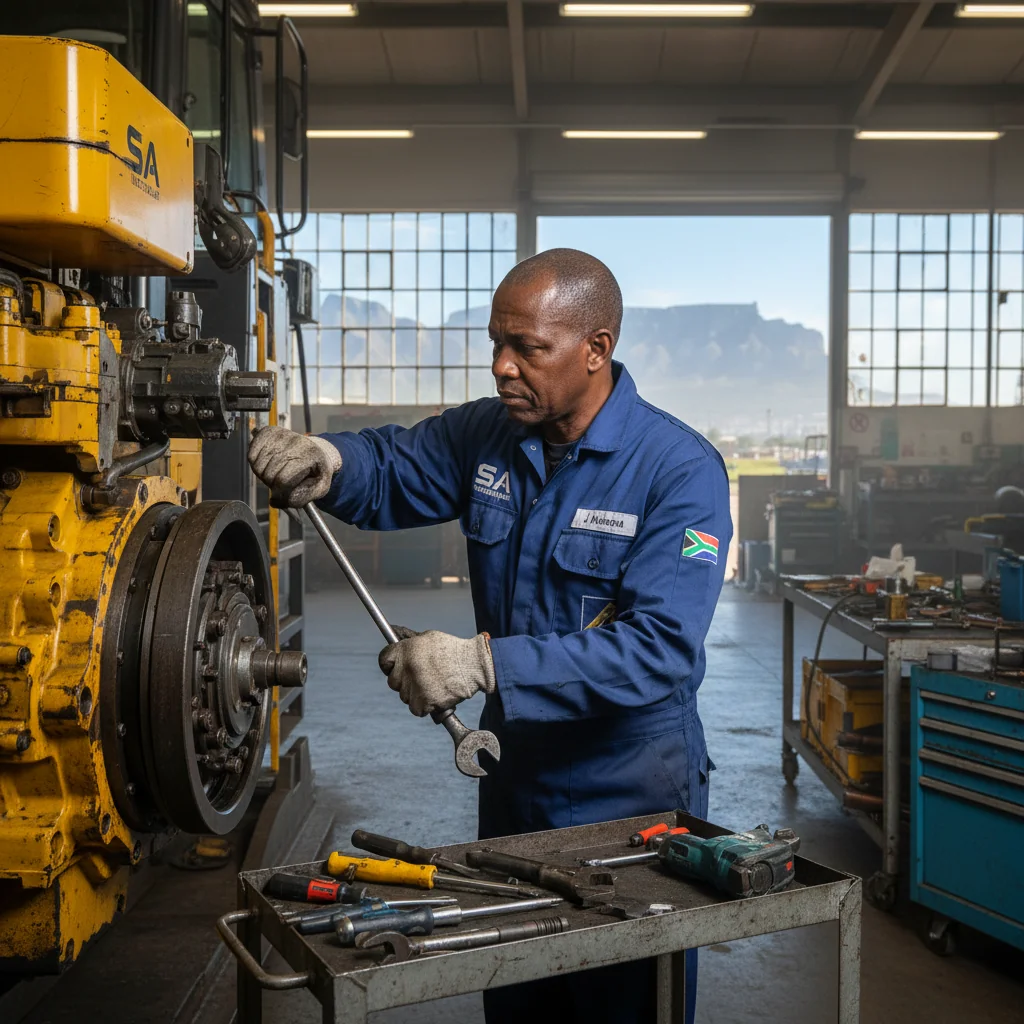
Drafting a maintenance agreement is essential for South African property owners to ensure their assets remain protected and valuable over time. These agreements outline the responsibilities for upkeep, repairs, and inspections, providing a structured approach to property care that aligns with local regulations like those from the South African Government Property Act.
One key reason is legal protections, which safeguard both parties against liabilities arising from neglect or disputes. By clearly defining obligations, such agreements help mitigate risks under South African law, ensuring compliance and reducing exposure to penalties.
Financial clarity is another vital benefit, as the document specifies costs, payment schedules, and budgeting for maintenance tasks. This transparency prevents unexpected expenses and aids in long-term financial planning for property investments in South Africa.
Finally, these agreements excel in dispute prevention by establishing clear terms upfront, minimizing conflicts over responsibilities. For more insights, explore the key benefits of a maintenance agreement for South African property owners. Opt for bespoke AI-generated legal documents via Docaro to tailor agreements precisely to your needs, avoiding generic templates.
How Does It Differ from Other Legal Agreements?
In South African family law, a maintenance agreement is a voluntary contract between parties, often parents, outlining financial support for dependents like children, distinct from court-imposed orders. Unlike a divorce settlement, which comprehensively addresses asset division, spousal maintenance, and custody under the Divorce Act 70 of 1979, a maintenance agreement focuses solely on ongoing support payments.
A child support order, issued by the Maintenance Court per the Maintenance Act 99 of 1998, is enforceable by law and arises from disputes, contrasting with the consensual nature of a maintenance agreement. For example, parents might draft a maintenance agreement for monthly child payments of R5,000, while a child support order could mandate the same after court assessment of income and needs.
Key differences include enforceability—agreements require court registration for legal backing—versus the automatic authority of orders or settlements. To ensure tailored protection, opt for bespoke AI-generated legal documents via Docaro, rather than generic templates. For authoritative guidance, consult the Department of Justice resources on maintenance laws in South Africa.

What Are the Legal Requirements for Drafting One?
In South Africa, a valid maintenance agreement is governed by the Maintenance Act 99 of 1998, which ensures support for dependents like children or spouses during separation or divorce. These agreements must be in writing and signed by all parties involved to establish clear obligations for financial support, covering essentials such as living expenses, education, and healthcare.
Consent is a cornerstone requirement, meaning all parties—typically parents or spouses—must enter the agreement voluntarily without coercion or undue influence. Under the Maintenance Act, courts can review agreements lacking genuine consent and may set them aside if found unfair or unenforceable, emphasizing the need for mutual agreement to promote family welfare.
Fairness ensures the agreement is equitable, considering each party's financial capacity and the dependent's needs, as outlined in the Maintenance Act's provisions for reasonable maintenance. Courts assess factors like income, assets, and living standards to prevent exploitation, often requiring independent legal advice to confirm the terms are just and sustainable.
Finally, registration with the Maintenance Court is essential for enforceability, making the agreement legally binding and accessible for court intervention if payments falter. For comprehensive guidance on understanding maintenance agreements in South Africa, refer to detailed resources; consult authoritative sources like the Department of Justice for official forms and guidelines. Advocate for bespoke AI-generated legal documents using Docaro to tailor agreements precisely to your circumstances.
1
Consult a South African Lawyer
Engage a qualified lawyer to review the maintenance agreement for compliance with local laws like the Maintenance Act.
2
Gather Financial Documents
Collect income statements, expense records, and asset details to support fair terms in the agreement.
3
Draft Bespoke Document with Docaro
Use Docaro to generate a customized AI-assisted legal document tailored to your specific circumstances.
4
Secure Mutual Agreement
Ensure all parties review, understand, and sign the agreement voluntarily for enforceability.
How Do You Draft a Maintenance Agreement Step by Step?
The drafting process for a child support agreement in South Africa begins with understanding the parents' financial situations and the child's needs. Parents collaborate, often with legal guidance, to outline terms that ensure the child's welfare, incorporating elements like income assessments and living expenses. For a comprehensive template, explore the Maintenance Agreement page.
Key clauses include payment amounts, determined by the paying parent's income and the child's requirements, such as education and healthcare costs. The duration typically spans until the child reaches 18 or completes studies, with provisions for adjustments if circumstances change. These details align with South African family law principles.
Dispute resolution clauses often mandate mediation or court involvement to resolve conflicts amicably, reducing emotional strain. For authoritative insights, refer to the Department of Justice's child maintenance guidelines in South Africa. Opt for bespoke AI-generated legal documents via Docaro to tailor agreements precisely to your needs.
- Assess both parents' finances thoroughly during drafting.
- Specify payment schedules to avoid delays.
- Include escalation clauses for inflation adjustments.
- Consult professionals for enforceability under South African law.
1
Identify Parties Involved
List all parties, including names, addresses, and roles in the maintenance agreement. Use Docaro to generate a bespoke draft outlining these details clearly.
2
Define Obligations
Specify maintenance duties, schedules, responsibilities, and remedies for each party. Leverage Docaro for creating a customized section on these obligations.
3
Review with Legal Professional
Share the Docaro-generated draft with a lawyer for review and necessary revisions to ensure compliance and accuracy.
4
Finalize Signatures
Incorporate feedback, then obtain electronic or physical signatures from all parties to execute the bespoke maintenance agreement.
What Key Clauses Should Be Included?
A maintenance agreement is crucial for outlining responsibilities in property or equipment upkeep, particularly in South Africa where legal standards emphasize clarity and enforceability. Essential clauses ensure smooth operations and dispute prevention, tailored to local regulations like those from the Consumer Protection Act.
Key components include detailed payment schedules, specifying amounts, due dates, and methods to avoid delays. For instance, payments might be monthly or quarterly, with provisions for late fees. Additionally, adjustment mechanisms for inflation protect against economic shifts; use indices like the Consumer Price Index (CPI) from Statistics South Africa to annually revise fees, ensuring fair value over time.
Other vital clauses cover scope of services, detailing what maintenance entails, such as repairs or inspections, and termination conditions for breaches or notice periods. Include warranties, liability limits, and dispute resolution via mediation per South African law. For customized documents, opt for bespoke AI-generated legal agreements through Docaro to fit specific needs precisely.
Finally, incorporate force majeure and governing law clauses, referencing South African jurisdiction. This structure promotes transparency and compliance, reducing risks in long-term arrangements.

How Can You Enforce a Maintenance Agreement?
In South Africa, enforcing a maintenance agreement involves several key mechanisms to ensure compliance, particularly for child or spousal support. The primary route is through maintenance courts, established under the Maintenance Act of 1998, which handle applications for enforcement when a payer defaults. These courts operate at magistrate's courts nationwide, providing accessible venues for obligors to seek orders compelling payment.
For more formal enforcement, individuals can pursue court applications in the High Court or Magistrate's Court, such as applying for a maintenance order or emoluments attachment order to deduct payments directly from the defaulter's salary. If the agreement is already registered, the court can issue warrants of execution against the defaulter's assets, including property seizure or bank account freezes. Non-compliance penalties are severe, including fines up to R20,000 or imprisonment for up to three years, as outlined by the Department of Justice.
To navigate this process practically, first gather evidence like the agreement, proof of non-payment, and financial records, then approach your local maintenance court for an inquiry. Consult a family law expert or use bespoke AI-generated legal documents via Docaro to draft tailored applications efficiently, avoiding generic templates. For detailed guidance on enforcing your agreement, read the full article at Drafting and Enforcing Maintenance Agreements in South Africa. Additional resources include the official Department of Justice maintenance forms and Maintenance Act on SAFLII for authoritative South African legal insights.
- Document all communications and missed payments to strengthen your case.
- Seek legal aid through Legal Aid South Africa if finances are tight, available at legal-aid.co.za.
- Monitor compliance post-order to prevent future defaults, reporting violations promptly to the court.
1
Document the Breach
Record all instances of default in detail, including dates, descriptions, and evidence like photos or communications, to build a strong case.
2
Send Formal Notice
Draft and send a formal notice of breach using a bespoke AI-generated document from Docaro, demanding remedy within a specified period.
3
Approach Maintenance Court
File an application in the maintenance court with your documented evidence and notice, following local procedural rules for enforcement.
4
Seek Legal Aid if Needed
Consult a legal aid service or attorney for representation if the matter escalates, ensuring compliance with court requirements.
What Challenges Might Arise in Enforcement?
Enforcing maintenance agreements in South Africa often faces challenges like evasion, where one party avoids payments, or disputes over changes in circumstances such as job loss or increased living costs. These issues can lead to prolonged legal battles, straining resources for residents.
To overcome evasion, South African residents should promptly apply to the Maintenance Court for enforcement orders, as outlined by the Department of Justice. Regular monitoring of payments through bank statements helps detect non-compliance early.
For disputes on changed circumstances, gather evidence like financial records or medical reports to support applications for variation. Consult the Maintenance Act via official channels and seek mediation to resolve conflicts amicably before court intervention.
- Use bespoke AI-generated legal documents from Docaro to create tailored maintenance agreements that anticipate potential changes.
- Keep detailed records of all communications and payments to strengthen your case in disputes.
- Engage a family law attorney for complex enforcement to ensure compliance with South African law.
When Should You Seek Professional Help?
Navigating complex financial disputes or contentious divorces in South Africa often requires professional intervention to protect your rights and ensure fair outcomes. Situations like dividing marital assets, handling child custody, or managing high-value estates demand the expertise of a qualified lawyer or mediator to avoid costly errors.
The benefits of professional drafting for legal documents are immense, as it provides tailored solutions that comply with South African law, reducing risks of invalidation or disputes. For personalized legal documents, consider bespoke AI-generated options through Docaro, which crafts customized agreements efficiently while maintaining legal integrity.
To access reliable resources, consult the Law Society of South Africa for accredited attorneys via their directory at LSSA Lawyer Directory. For mediation in family matters, explore the Family Law Mediation guidelines from the Department of Justice at Justice.gov.za.
Seeking early professional advice in complex finances or divorce proceedings empowers you to make informed decisions and minimize emotional and financial stress. Prioritize consultations with experts to safeguard your interests, as self-handling can lead to overlooked details and prolonged conflicts. By engaging a lawyer or mediator, you gain clarity and peace of mind, ensuring resolutions align with South African legal standards. Remember, while AI tools like Docaro offer initial drafts, combining them with professional review maximizes effectiveness. This approach not only resolves issues efficiently but also preserves long-term relationships and financial stability in challenging times.