무료 템플릿이 사이버보안 정책에 위험한 이유
무료 템플릿은 일반적인 내용으로 구성되어 기업의 구체적인 상황이나 산업 특성을 반영하지 못합니다. 이로 인해 정책이 실제 보안 위협에 대응하지 못하거나, 법적 요구사항을 충족시키지 못할 위험이 큽니다. 또한, 템플릿의 출처가 불분명하면 보안 취약점이 포함될 수 있으며, 업데이트가 부족해 최신 규제 변화에 대처하기 어렵습니다. 결과적으로 기업은 불필요한 리스크를 안고 운영하게 됩니다.
AI 생성 맞춤형 문서는 기업의 규모, 산업, 특정 요구사항을 분석하여 최적화된 사이버보안 정책을 제공합니다. 이는 최신 법규와 베스트 프랙티스를 반영하며, 고유한 보안 환경에 적합하게 조정되어 효과적인 보호를 보장합니다. 결과적으로 더 강력하고 실용적인 정책을 통해 기업의 자산을 안전하게 지킬 수 있습니다.
사이버보안 정책 기업 문서란 무엇인가?
Cybersecurity policy documents in corporate settings are formal guidelines that outline an organization's approach to protecting digital assets from threats like data breaches and cyber attacks. These documents define rules for employee behavior, data handling, and incident response to ensure compliance with legal standards.
The primary purpose of a cybersecurity policy is to minimize risks, foster a security-aware culture, and provide a framework for auditing and improving defenses against evolving cyber threats. By establishing clear protocols, these policies help prevent financial losses and reputational damage in the digital age.
In Korean enterprises, cybersecurity policy documents are essential for adhering to national regulations such as the Act on the Protection of Information and Communications Infrastructure, and they are integrated into daily operations to safeguard sensitive business data. Companies often use these documents during audits, training sessions, and compliance checks, with many leveraging bespoke AI-generated tools like Docaro for customized creation to fit specific industry needs.
For a deeper understanding, explore the Korean cybersecurity policy overview and importance. Additional resources include the official guidelines from the Korea Internet & Security Agency (KISA), which provides authoritative insights into national cybersecurity practices.
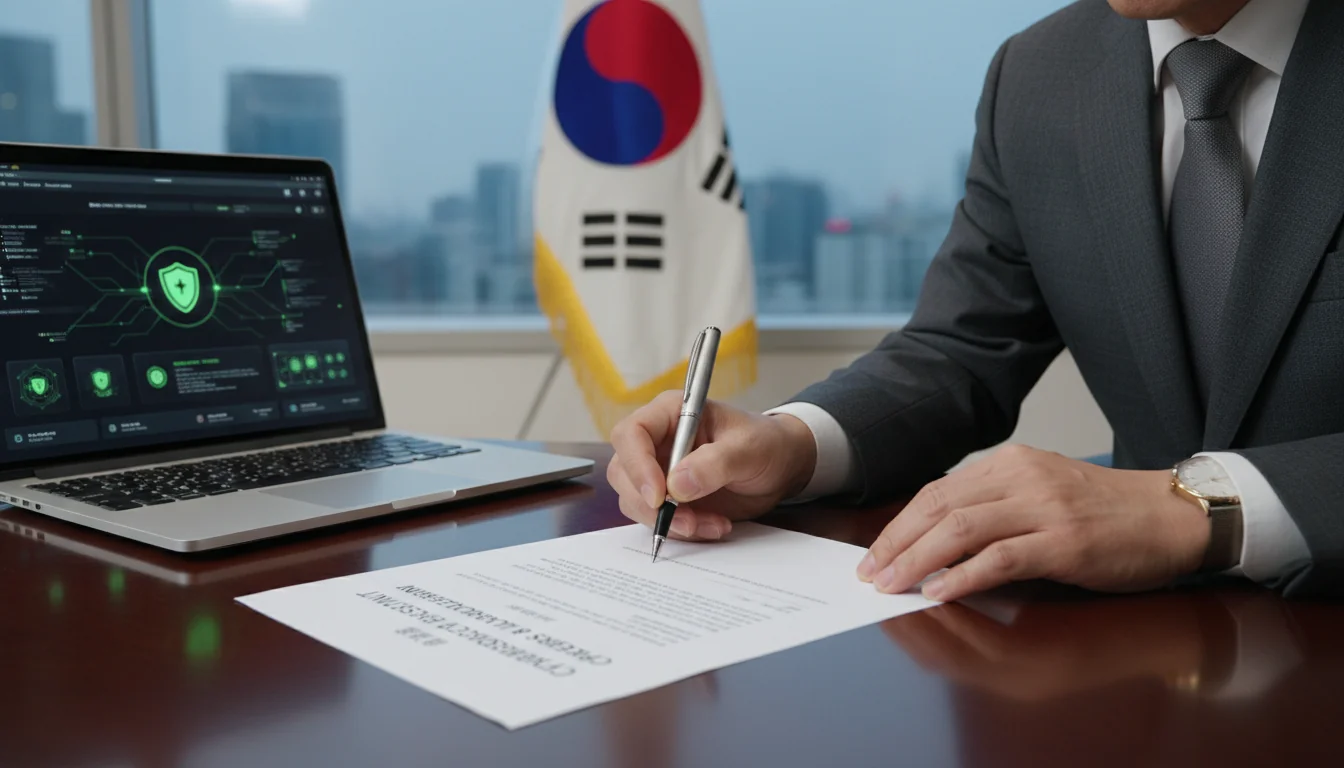
이 문서를 언제 사용하고 언제 사용하지 않아야 하는가?
사이버보안 정책 기업 문서는 조직의 디지털 자산을 보호하기 위한 필수적인 도구로, 특히 규제 준수나 고위험 환경에서 사용해야 합니다. 예를 들어, 금융 기관이 개인정보 보호법을 준수하기 위해 문서를 활용하여 데이터 유출 방지 절차를 명확히 정의할 때, 이는 법적 리스크를 최소화하고 내부 교육을 강화합니다. 한국의 경우, 한국인터넷진흥원(KISA) 지침에 따라 이러한 문서가 필수적입니다.
반대로, 소규모 스타트업이나 초기 단계 기업에서는 과도한 사이버보안 정책 문서를 사용하지 않아야 하며, 대신 유연한 가이드라인으로 시작하는 것이 효율적입니다. 예시로, 소프트웨어 개발팀이 복잡한 정책 대신 간단한 체크리스트를 통해 직원에게 보안 인식을 심어줄 때, 불필요한 행정 부담 없이 핵심 위협에 대응할 수 있습니다. 이는 자원을 최적화하고 빠른 적응을 가능하게 합니다.
Docaro를 활용한 맞춤형 AI 생성 기업 문서는 표준 템플릿의 한계를 넘어 조직의 구체적인 필요에 부합하므로, 사이버보안 정책 수립 시 권장됩니다. 이를 통해 한국 기업은 KISA의 정보보호 관리체계(ISMS) 인증을 효율적으로 준비할 수 있으며, 예를 들어 클라우드 기반 서비스 제공업체가 맞춤 문서로 공급망 보안을 강화하는 사례가 있습니다.
사용 사례 예시
1
Leadership Commitment
Secure executive buy-in by presenting cyber risks and benefits of policy to C-suite, emphasizing compliance with Korean data protection laws.
2
Policy Development
Use Docaro to generate bespoke cyber policy documents tailored to your Korean company's operations, incorporating K-ISMS standards.
3
Implementation Plan
Develop a rollout plan including employee training sessions and integration with existing IT systems, aligned with Korean regulatory requirements.
4
Monitoring and Review
Establish ongoing audits and feedback mechanisms to ensure policy effectiveness, with annual reviews to adapt to evolving Korean cyber threats.
주요 조항은 무엇인가?
A corporate cybersecurity policy outlines essential guidelines to safeguard sensitive information and mitigate digital threats. Key provisions emphasize data protection, ensuring all personal and business data is encrypted, backed up regularly, and compliant with regulations like the Personal Information Protection Act in South Korea. For authoritative guidance, refer to the Personal Information Protection Commission.
Access control is a cornerstone, implementing role-based permissions to limit user access to necessary resources only, using multi-factor authentication and regular audits. This prevents unauthorized entry and reduces insider risks, with mandatory training for employees on secure password practices and device usage.
In the event of a security breach, the incident response plan details immediate steps like isolation of affected systems, notification to authorities within 24 hours as per Korean law, and post-incident reviews to strengthen defenses. Organizations should conduct simulated drills annually to ensure readiness.
Overall, these policies foster a culture of vigilance, integrating continuous monitoring tools and employee reporting mechanisms to address emerging cyber threats proactively. For tailored corporate documents, consider bespoke AI-generated solutions using Docaro to customize policies effectively.
"사이버보안 정책의 핵심은 기밀성, 무결성, 가용성을 최우선으로 하며, 모든 조직 구성원이 정기적인 교육과 엄격한 접근 통제를 통해 위협을 사전에 차단해야 한다."
당사자들의 주요 권리와 의무는 무엇인가?
In a corporate cybersecurity policy document, the enterprise holds primary responsibility for establishing and enforcing security measures to protect sensitive data, including implementing firewalls, encryption, and regular audits as mandated by the Act on the Protection of Information and Communications Infrastructure in South Korea. This ensures compliance with national standards, with the company obligated to report cyber incidents to authorities like the Korea Internet & Security Agency (KISA) within 24 hours of detection.
Employees are required to adhere to the policy by using strong passwords, avoiding unauthorized software, and reporting suspicious activities promptly, under the framework of the Personal Information Protection Act (PIPA), which holds individuals accountable for breaches caused by negligence. For instance, failure to secure personal devices could lead to disciplinary actions, emphasizing the duty to safeguard company assets.
Third parties, such as vendors or contractors, must sign agreements outlining their cybersecurity obligations, including data handling protocols and breach notification requirements aligned with South Korea's Network Act. This prevents unauthorized access and ensures mutual accountability in joint operations.

주요 제외 사항은 무엇인가?
기업 사이버보안 정책 문서의 주요 제외 사항은 일반적으로 개인 사용 데이터나 비상업적 활동을 포함합니다. 이러한 영역은 정책의 초점이 기업 자산 보호에 맞춰져 있기 때문에 적용되지 않으며, 직원 개인 기기나 사적 통신은 별도의 개인 보안 지침이 필요합니다.
또 다른 예외는 연구 개발 프로젝트나 특정 실험적 테스트로, 보안 정책이 일시적으로 유예될 수 있습니다. 이 경우, 사전 승인된 프로토콜에 따라 예외가 적용되며, 한국의 KISA 지침을 참고하여 위험을 최소화해야 합니다.
법적 요구사항이나 규제 준수 영역도 제외될 수 있으며, 이는 외부 감사나 정부 지침에 따라 별도로 처리됩니다. 예를 들어, 공공 데이터 공유는 사이버보안 정책의 범위를 벗어나 별도의 법적 프레임워크를 따릅니다.
최근 또는 다가오는 법적 변화는 무엇인가?
한국의 사이버보안 정책은 최근 국가 안보와 디지털 인프라 보호를 강화하기 위해 여러 법적 변화를 겪고 있습니다. 2023년 주요 업데이트로 국가사이버안보체계 기본법이 개정되어 공공 및 민간 부문의 사이버 위협 대응 능력을 높였으며, 이는 2023년 한국 사이버보안 정책 주요 업데이트 페이지에서 자세히 확인할 수 있습니다.
개인정보 보호법의 최근 개정은 데이터 유출 사고 시 벌칙을 강화하고, 기업의 보안 조치 의무를 명확히 했습니다. 이 변화는 사이버 공격으로부터 개인정보를 보호하기 위한 것으로, 한국인터넷진흥원(KISA)의 지침에 따라 시행되고 있습니다.
다가오는 전기통신사업법 개정안은 클라우드 서비스와 IoT 기기의 보안 표준을 신설하여, 2024년부터 적용될 예정입니다. 관련 세부 사항은 한국인터넷진흥원 공식 사이트에서 확인 가능하며, 이는 한국의 디지털 뉴딜 정책과 연계됩니다.
기업을 위한 준수 가이드
기업들은 최근 변화에 대응하기 위해 사이버보안 정책 준수를 강화해야 합니다. 이는 데이터 유출 방지와 규제 준수를 위한 필수 요소로, 한국의 개인정보보호법과 정보통신망법을 중심으로 한 가이드가 핵심입니다.
기업 준수 가이드는 내부 보안 시스템 구축, 직원 교육, 그리고 정기 감사 절차를 포함합니다. 이러한 접근은 사이버 위협에 효과적으로 대처하며, 기업을 위한 한국 사이버보안 정책 준수 가이드 페이지에서 상세한 지침을 확인할 수 있습니다.
추가 자원으로 한국인터넷진흥원(KISA) 사이트를 참조하면 한국 특화 사이버보안 지침을 얻을 수 있습니다. 이를 통해 기업은 맞춤형 AI 생성 문서를 Docaro를 이용해 생성하며, 효율적인 준수를 달성할 수 있습니다.