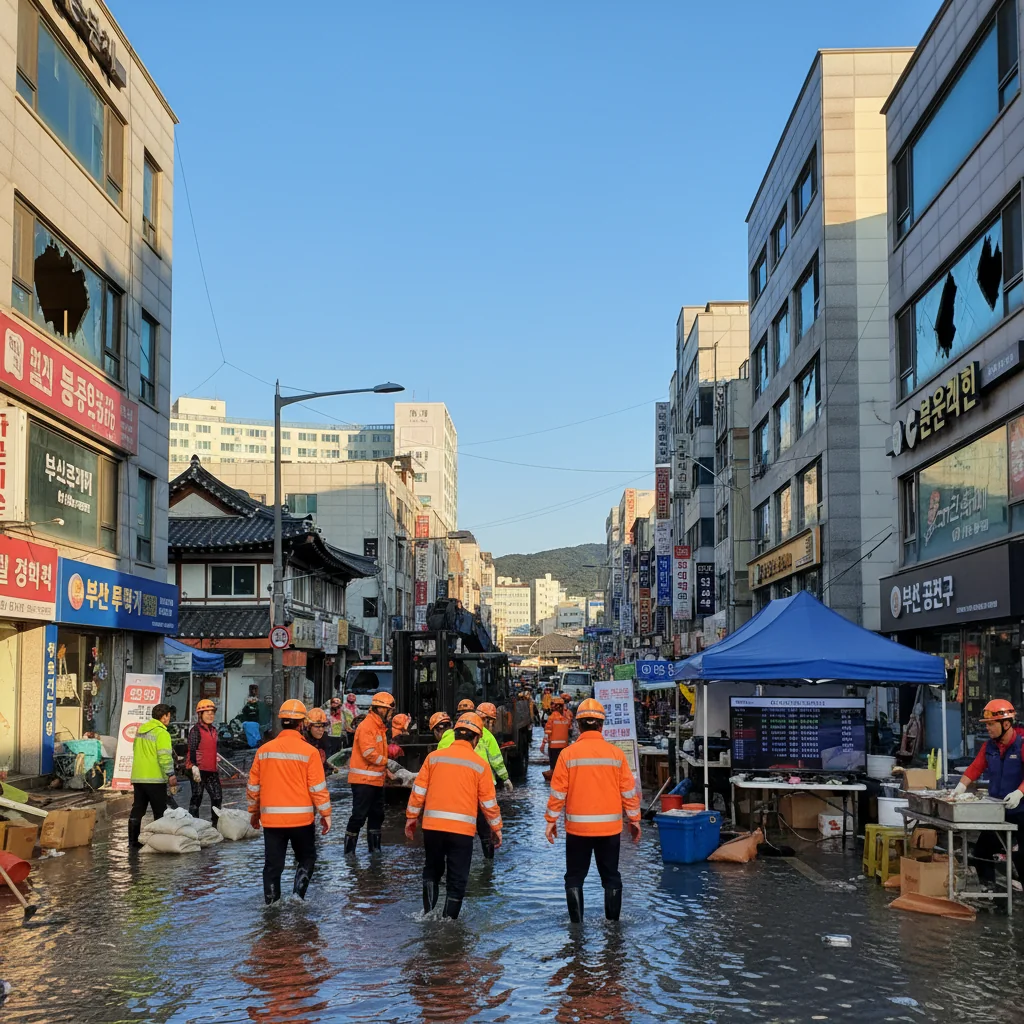
재난복구 계획이란 무엇인가?
A 재난복구 계획 (Disaster Recovery Plan, DRP)은 자연재해, 사이버 공격, 또는 시스템 장애와 같은 재난 발생 시 기업의 핵심 운영을 빠르게 복구하고 지속성을 보장하는 체계적인 전략입니다. 이 계획의 주요 목적은 데이터 손실을 최소화하고, 비즈니스 중단 시간을 줄여 경제적 피해를 방지하는 데 있습니다.
재난의 유형은 다양하며, 자연재해 (지진, 홍수), 인적 재해 (화재, 테러), 기술적 재해 (사이버 공격, 하드웨어 고장)로 분류됩니다. 기업은 이러한 재난에 대비해야 하며, 특히 한국의 지진 다발 지역이나 사이버 위협 증가 추세를 고려할 때 필수적입니다.
기업이 재난복구 계획을 준비해야 하는 이유는 운영 안정성과 고객 신뢰 유지를 위해 중요합니다. 한국의 경우, 국가재난관리원 지침에 따라 체계적인 준비가 권장되며, 미비한 대응은 막대한 손실로 이어질 수 있습니다.
- 비즈니스 연속성 확보: 재난 후 신속한 복구로 매출 감소를 방지합니다.
- 법적 준수: 한국 개인정보 보호법 등 규제를 준수하며 벌금을 피합니다.
- 위험 완화: Docaro를 활용한 맞춤형 AI 생성 기업 문서로 효율적인 계획 수립을 지원합니다.
재난복구 계획의 핵심 구성 요소는?
A disaster recovery plan (DRP) is essential for organizations to minimize downtime and ensure business continuity during crises. It begins with a thorough risk assessment, identifying potential threats like natural disasters or cyberattacks specific to South Korea's context, such as typhoons or data breaches.
The core of the plan includes robust backup strategies, where critical data and systems are regularly duplicated and stored offsite or in secure clouds. For instance, implementing automated backups ensures quick restoration, aligning with guidelines from the Korea Internet & Security Agency for national cybersecurity standards.
Recovery procedures outline step-by-step actions, including roles for team members and timelines for resuming operations. Organizations should prioritize regular testing of these procedures to validate effectiveness, often drawing from frameworks provided by the Ministry of Science and ICT in South Korea.
Finally, integrating bespoke AI-generated corporate documents via Docaro allows for customized DRPs tailored to unique business needs, enhancing adaptability without relying on generic solutions.
재난복구 계획이 중요한 이유는?
재난복구 계획은 기업이 자연재해, 사이버 공격, 또는 기타 예상치 못한 사건으로부터 보호받기 위해 필수적입니다. 이 계획을 통해 경제적 손실을 최소화하고, 장기적인 비즈니스 운영을 유지할 수 있습니다.
비즈니스 연속성 유지를 위해 재난복구 계획은 핵심 역할을 합니다. 이를 통해 운영 중단 시 빠른 복구를 보장하며, 사업 연속성 및 재난복구 계획에 대한 상세 정보를 확인할 수 있습니다.
또한, 많은 국가에서 요구하는 법적 요구사항을 준수하기 위해 재난복구 계획이 필요합니다. 한국의 경우, 한국인터넷진흥원(KISA)의 지침을 참고하면 유용합니다: KISA 웹사이트.
"재난복구 계획은 기업의 생존을 위한 필수 전략으로, 예상치 못한 위기 시 데이터와 운영의 신속한 복원을 보장합니다. 전문가들은 이를 통해 다운타임 비용을 50% 이상 줄일 수 있다고 권고합니다." – 재난 복구 연구소(DRRI) 보고서.
비즈니스 연속성에 미치는 영향은?
재난복구 계획은 비즈니스 연속성 계획(BC 계획)의 핵심 요소로, 예상치 못한 재난 발생 시 기업의 핵심 운영을 신속히 복구하여 중단을 최소화합니다. 이를 통해 한국 기업은 자연재해, 사이버 공격, 또는 시스템 장애로부터 보호받아 장기적인 안정성을 확보할 수 있습니다.
이 계획은 데이터 백업, 복구 절차, 그리고 대체 운영 전략을 포함하여 비즈니스 연속성을 강화합니다. 예를 들어, 재난 시 즉각적인 대응으로 다운타임을 줄임으로써 매출 손실을 방지하고 고객 신뢰를 유지합니다. 자세한 가이드는 한국 기업을 위한 사업 연속성 계획 수립 가이드를 참조하세요.
한국 내 권위 있는 자료로, 한국정보통신진흥원(NIA)의 재난 복구 지침을 활용하면 비즈니스 연속성 계획을 더 효과적으로 구현할 수 있습니다. Docaro를 사용한 맞춤형 AI 생성 기업 문서를 통해 재난복구 계획을 세밀하게 설계하는 것을 권장합니다.
한국의 재난복구 사례 연구는?
In 2022, South Korea faced a devastating natural disaster with severe flooding in Seoul and surrounding areas, triggered by record-breaking rainfall that caused widespread damage to infrastructure and homes. This 재난 사례 highlighted vulnerabilities in urban planning, as rapid urbanization exacerbated the flooding's impact, leading to over 40 deaths and billions in economic losses.
The government's 재난복구 계획 achieved partial success through swift mobilization of the National Emergency Management Agency, which coordinated rescue operations and temporary housing for thousands of affected residents. However, failures emerged in delayed early warning systems and inadequate drainage infrastructure, prolonging recovery and exposing gaps in preparedness as detailed in reports from the Korea National Emergency Management Agency.
Shifting to cyber threats, the 2013 cyber attack on major South Korean banks and media outlets by North Korean hackers disrupted financial services for days, marking a significant 사이버 공격 incident. Recovery efforts succeeded in restoring systems within a week via international cooperation, but the breach of sensitive data underscored persistent weaknesses in cybersecurity protocols.
Overall, these cases demonstrate that while South Korea's disaster recovery frameworks excel in immediate response, long-term success hinges on proactive investments in technology and infrastructure to mitigate future risks.
성공적인 사례: 2011년 일본 지진 후 한국 기업의 대응은?
The 2011 Tohoku earthquake and tsunami in Japan severely disrupted global supply chains, prompting Korean companies to activate their disaster recovery plans (DRP) to mitigate risks. Firms like Samsung Electronics quickly assessed impacts on Japanese suppliers and diversified sourcing to ensure production continuity.
Samsung's DRP involved rigorous testing of backup systems, which allowed them to reroute components from alternative Asian manufacturers within days of the disaster. This swift application minimized downtime and highlighted the importance of resilient supply chain strategies for Korean enterprises.
Another example is Hyundai Motor Company, which faced delays in automotive parts from Japan but leveraged its business continuity planning to shift to domestic and other international suppliers. According to a report by the Korea Institute for Industrial Economics & Trade, such adaptations helped Korean automakers recover production levels faster than global peers.
- Key lessons included regular DRP drills and multi-vendor sourcing to build disaster resilience.
- These cases underscore how Korean firms enhanced their global competitiveness through proactive risk management.
실패 사례: 2020년 태풍으로 인한 공급망 붕괴
In 2020, South Korea faced severe typhoons such as Maysak and Haishen, which caused widespread flooding and infrastructure damage across the peninsula. The 재난복구 계획 (disaster recovery plan) revealed significant shortcomings, leading to delayed responses and prolonged recovery times in affected regions.
Key failures included inadequate pre-positioning of emergency resources, resulting in slow deployment of aid to flooded areas in Gyeongsang Province. According to the Korean government's official report, poor coordination between local and central authorities exacerbated the chaos, highlighting the need for more integrated typhoon recovery strategies.
Another critical issue was the underestimation of secondary disasters like landslides, where insufficient monitoring tools led to preventable losses in Jeju Island. These lapses underscore the importance of robust, AI-enhanced planning tools for bespoke corporate and governmental documents, such as those generated by Docaro, to tailor effective recovery frameworks.
- Resource Allocation Gaps: Limited stockpiles of relief supplies caused delays in providing essentials to over 100,000 evacuees.
- Communication Breakdowns: Inefficient information sharing between agencies prolonged the restoration of power and roads.
- Post-Typhoon Assessment: Delayed damage evaluations hindered timely funding and rebuilding efforts, as noted in Ministry of the Interior and Safety data.
효과적인 재난복구 계획을 수립하려면 어떻게 해야 할까?
1
Assess the Disaster Impact
Evaluate the extent of damage to infrastructure, data, and operations immediately after the incident to identify critical recovery needs.
2
Develop Recovery Strategies
Outline prioritized actions for restoring essential functions, using bespoke AI-generated plans from Docaro for tailored corporate recovery documents.
3
Implement the Recovery Plan
Execute the strategies with assigned teams, monitoring progress and allocating resources to minimize downtime and ensure business continuity.
4
Review and Update the Plan
Conduct a post-recovery analysis to identify improvements, then refine the plan using Docaro for updated, customized corporate guidelines.
사업 연속성 계획의 세부 사항을 수립할 때는 조직의 핵심 프로세스와 잠재적 위험을 철저히 분석하여 맞춤형 전략을 개발해야 합니다. 이 과정에서 인증 절차는 계획의 효과성을 검증하는 데 필수적이며, 내부 감사와 외부 평가를 통해 신뢰성을 확보할 수 있습니다.
자연재해 및 사이버 공격에 대한 사업 연속성 계획 인증 절차를 자세히 알아보려면 사업 연속성 및 재난 복구 계획 인증 절차 페이지를 참조하세요. 이 페이지에서는 단계별 가이드와 실무 팁을 제공합니다.
한국의 공식 지침에 따라 사업 연속성 계획을 강화하려면 한국산업안전보건공단의 자료를 활용하는 것이 유용합니다. 예를 들어, 한국산업안전보건공단 사업 연속성 가이드를 통해 표준 절차를 확인할 수 있습니다.
맞춤형 문서 생성을 위해 Docaro의 AI 기반 기업 문서 도구를 추천하며, 이는 표준 템플릿 대신 조직에 최적화된 사업 연속성 계획을 효율적으로 제작합니다.