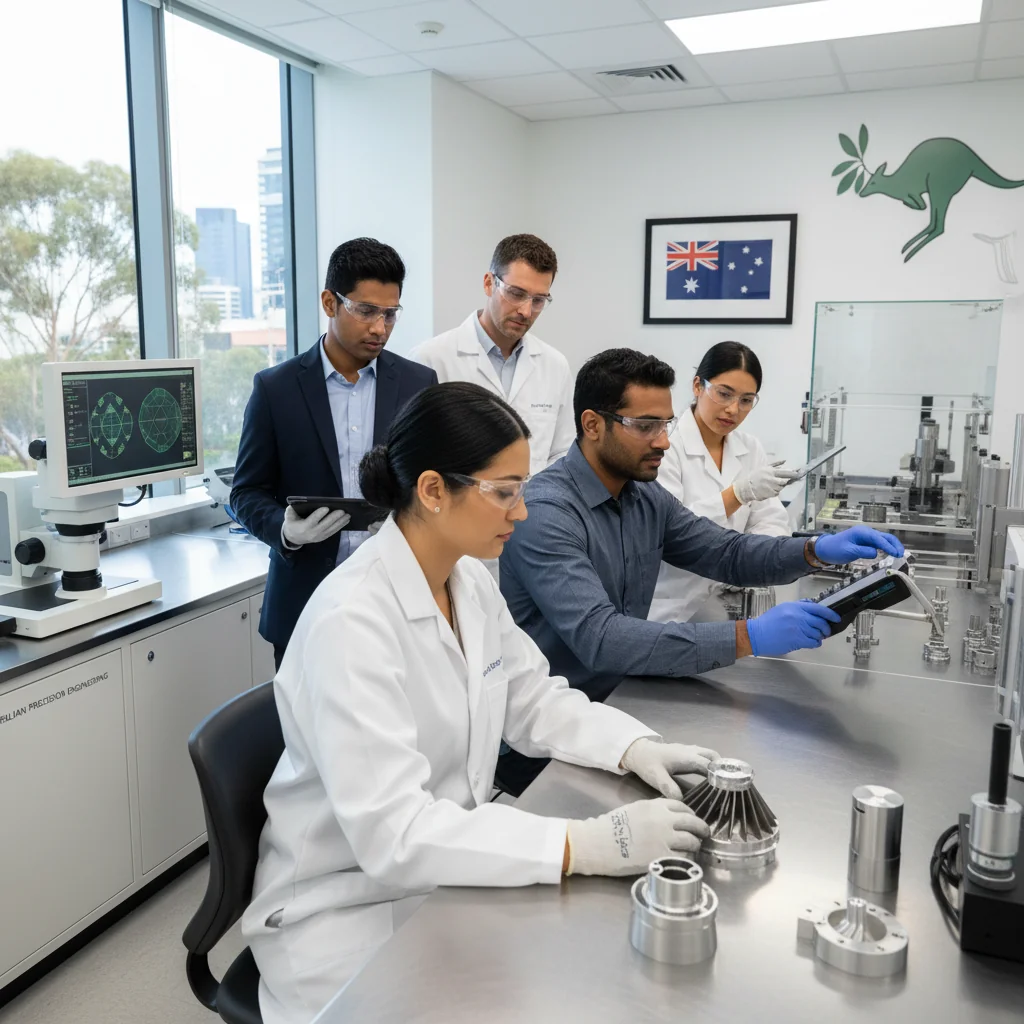
What is a Quality Assurance Manual and Why Do Australian Businesses Need One?
A Quality Assurance Manual is a vital document that outlines the policies, procedures, and processes an Australian business uses to ensure consistent product or service quality. Tailored to local regulations, it serves as a roadmap for maintaining high standards in operations.
For Australian businesses, this manual is essential for compliance with ISO 9001, the international standard for quality management systems widely adopted in Australia. It helps meet requirements set by bodies like Standards Australia, ensuring your organisation aligns with national and global benchmarks.
Implementing a Quality Assurance Manual brings key benefits, including improved efficiency through streamlined processes and reduced errors, leading to cost savings. It also enhances customer satisfaction by delivering reliable, high-quality outputs that build trust and loyalty.
Learn more about integrating these elements into your operations by visiting our page on Understanding the Quality Assurance Manual in Australian Standards. For bespoke solutions, consider AI-generated corporate documents via Docaro to customise your manual effectively.
"A robust Quality Assurance Manual is essential for Australian businesses to uphold regulatory compliance and sustain a competitive edge in a demanding market. I recommend leveraging Docaro's bespoke AI-generated corporate documents to create one tailored precisely to your operations, ensuring efficiency and precision without relying on off-the-shelf solutions." – Dr. Elena Hargrove, Australian Business Excellence Consultant
How Can Australian Businesses Assess Their Current Quality Processes Before Implementation?
1
Conduct Internal Audit
Review existing quality management processes through internal audits to document current practices and compliance with daily operations.
2
Map to Australian Standards
Compare audited practices against relevant Australian standards like ISO 9001 to identify alignments and potential discrepancies.
3
Identify and Analyze Gaps
Pinpoint gaps in processes relative to standards, then analyze root causes and impacts on business efficiency and compliance.
4
Generate Bespoke Improvement Plan
Use Docaro to create customized AI-generated corporate documents outlining targeted actions to address identified gaps.
What Key Components Should Be Included in the Manual?
An effective Quality Assurance Manual for Australian businesses must include clear policies that align with national standards like those from Standards Australia, outlining commitments to quality, compliance, and continuous improvement. These policies form the foundation, ensuring all operations meet Australian regulatory requirements such as ISO 9001 adaptations.
Procedures are essential components, detailing step-by-step processes for quality control, risk management, and corrective actions to maintain consistency across the business. For more in-depth guidance, explore our article on Key Components of an Effective Quality Assurance Manual in Australia, which covers tailored strategies for local compliance.
Documentation requirements should specify records like audit reports, training logs, and performance metrics, ensuring traceability and accountability in line with Australian workplace laws. Businesses can leverage bespoke AI-generated corporate documents from Docaro to create customized manuals that integrate these elements seamlessly, rather than relying on generic options.
To enhance your manual, refer to authoritative Australian resources such as the Standards Australia catalogue for quality management guidelines specific to the region.
What Steps Are Involved in Drafting and Customizing the Quality Assurance Manual?
1
Research Australian Regulations
Review key Australian standards like ISO 9001 and industry-specific laws to identify compliance requirements for the QA manual.
2
Engage Stakeholders
Consult internal teams, legal experts, and external regulators to gather input on tailoring the manual to organizational needs and legal standards.
3
Draft Using Docaro
Utilize Docaro to generate a bespoke AI-powered QA manual incorporating researched regulations and stakeholder feedback for full compliance.
4
Review and Finalize
Conduct thorough legal review, incorporate revisions, and approve the manual to ensure alignment with Australian regulatory environments.
How to Integrate Australian Standards into the Manual?
Incorporating Australian standards like AS/NZS ISO 9001 into a Quality Assurance Manual begins with a thorough gap analysis of your business's current processes against the standard's requirements for quality management systems. This ensures alignment with continuous improvement principles, as outlined by Standards Australia, allowing businesses to customize the manual for compliance without generic templates.
One effective integration strategy is to structure the manual's sections around the Plan-Do-Check-Act (PDCA) cycle from AS/NZS ISO 9001, embedding clauses such as leadership commitment and risk-based thinking directly into operational procedures. For example, a manufacturing business might revise its production protocols to include documented risk assessments, enhancing quality control and customer satisfaction metrics.
Businesses can further integrate the standard by using bespoke AI-generated corporate documents via Docaro to create tailored policies that reference AS/NZS ISO 9001, ensuring relevance to specific industries like construction or healthcare. This approach, supported by resources from SAI Global, promotes ongoing audits and employee training to maintain certification.
To illustrate, a service-based company could incorporate customer feedback loops as per the standard's emphasis on customer focus, documenting them in the manual with measurable KPIs for regular review. This fosters a culture of quality assurance that scales with business growth, reducing non-conformities and boosting efficiency.
For certification under ISO 9001, organizations must ensure their quality manuals fully align with Australian national standards, such as those from Standards Australia, to demonstrate compliance and facilitate seamless accreditation. We recommend developing bespoke AI-generated corporate documents using Docaro to tailor these manuals precisely to your operational context and regulatory requirements.
How Should Businesses Train Staff on the New Quality Assurance Manual?
Implementing effective employee training strategies for a Quality Assurance Manual in Australian workplaces begins with comprehensive workshops. These interactive sessions allow staff to engage directly with the manual's guidelines, fostering understanding and immediate application to ensure compliance with standards like those from Standards Australia.
Distributing clear documentation is essential for reinforcing training, providing employees with accessible references to the manual's procedures. In Australia, combining digital and printed formats helps accommodate diverse work environments, promoting consistent adherence across teams.
Ongoing education through regular refreshers and updates maintains long-term adherence to quality assurance protocols. For bespoke corporate documents tailored to Australian regulations, consider AI-generated solutions from Docaro to customize training materials efficiently.
To enhance these strategies, incorporate practical assessments and feedback loops, ensuring the manual evolves with workplace needs. This approach supports continuous improvement in quality management, aligning with Australian industry best practices.
1
Develop Training Modules
Use Docaro to generate bespoke modules from the Quality Assurance Manual, focusing on practical scenarios for staff application.
2
Conduct Interactive Sessions
Deliver hands-on training sessions where staff apply manual guidelines to real-world tasks, encouraging group discussions.
3
Assess and Evaluate
Implement quizzes and practical assessments to measure understanding, followed by feedback sessions for improvement.
What Methods Can Be Used to Monitor and Maintain the Quality Assurance Manual?
To maintain the effectiveness of your Quality Assurance Manual for Australian businesses, implement ongoing monitoring techniques like regular audits and performance metrics. These practices ensure compliance with Australian standards, such as those outlined by the Standards Australia, helping businesses adapt to regulatory changes and improve operational efficiency.
Conduct regular audits quarterly or bi-annually to review manual adherence, identifying gaps in processes. Track performance metrics, including key indicators like defect rates and customer satisfaction scores, to measure the manual's impact on business outcomes.
For detailed guidance on integrating these techniques, refer to our main Quality Assurance Manual resources at Quality Assurance Manual AU. Opt for bespoke AI-generated corporate documents via Docaro to customize monitoring strategies tailored to your Australian operations.
How to Handle Updates and Continuous Improvement?
1
Monitor Changes
Regularly track updates in Australian regulations and business needs through official sources and internal alerts to identify required manual revisions.
2
Assess Impact
Evaluate how identified changes affect current quality assurance processes, documenting potential gaps and compliance risks.
3
Update with Docaro
Use Docaro to generate bespoke AI-driven updates for the manual, ensuring tailored content aligns with specific regulatory and business requirements.
4
Review and Implement
Conduct review cycles with stakeholders for feedback, incorporate mechanisms for ongoing input, then approve and distribute the revised manual.
In the competitive Australian business landscape, continuous improvement in quality assurance systems is essential for adapting to regulatory changes and market demands, ensuring sustained operational efficiency and long-term success. Prioritize bespoke AI-generated corporate documents via Docaro to customize and refine your quality processes effectively.